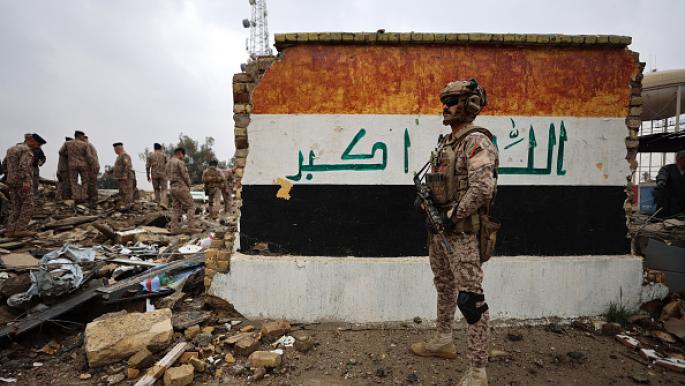
Airstrikes targeting various locations in northern Iraq on Saturday resulted in the death of a police colonel and a security personnel, along with several members of the Popular Mobilization Forces. Multiple injuries were also reported among the targeted forces.
These strikes come at a time when Iraq is witnessing a rise in security tensions, with increasing attacks on security forces and armed groups. Local sources confirmed that the airstrikes targeted sites belonging to the Popular Mobilization Forces, prompting mixed reactions in political and military circles.
Details of the Incident
According to military sources, warplanes targeted sites in Kirkuk province, where gatherings of Popular Mobilization Forces members were struck. Reports indicated that the strikes resulted in the death of the colonel, who held a significant position in security management, along with injuries among the Popular Mobilization Forces.
These airstrikes are part of ongoing military operations against armed groups in northern Iraq, which include extremist organizations seeking to destabilize the region. The Iraqi government has been blamed for weak security measures in some areas, leading to an increase in attacks.
Background & Context
Iraq has been experiencing multiple conflicts for years, with political and sectarian dimensions intertwining in the security landscape. Following the victory over ISIS, it was expected that the security situation would improve; however, tensions between armed groups and government forces remain. The Popular Mobilization Forces, formed to confront ISIS, have become part of Iraq's security structure but face criticism for their role in certain military operations.
In recent years, pressure on the Popular Mobilization Forces has increased from some political factions seeking to diminish their influence, leading to heightened internal and external conflicts. The recent airstrikes reflect the ongoing struggle between the government and armed groups, complicating the security landscape further.
Impact & Consequences
Political circles expect these strikes to escalate tensions between the Iraqi government and the Popular Mobilization Forces, which could negatively impact security and stability in the country. The death of the colonel may provoke reactions from security forces, increasing the likelihood of new confrontations.
Moreover, these events could affect relations between Iraq and neighboring countries, especially amid rising regional tensions. The military escalation could have negative repercussions on reconstruction and stabilization efforts in Iraq, hindering progress towards peace.
Regional Significance
The events in Iraq are part of the larger picture of security in the Arab region. The rise in violence in Iraq could affect neighboring countries, potentially leading to an influx of refugees and increased border tensions. Additionally, Iraq's stability is a crucial factor for regional security, as any escalation could impact neighboring countries like Syria and Iran.
Under these circumstances, the international community must closely monitor the situation in Iraq, as stability in this country has direct implications for regional security. Recent events may prompt Arab countries to reassess their security strategies and cooperate in addressing common challenges.
In conclusion, the situation in Iraq remains tense, with ongoing military and political pressures. The recent airstrikes highlight the urgent need for comprehensive strategies to achieve stability and security in the country, requiring efforts from all involved parties.