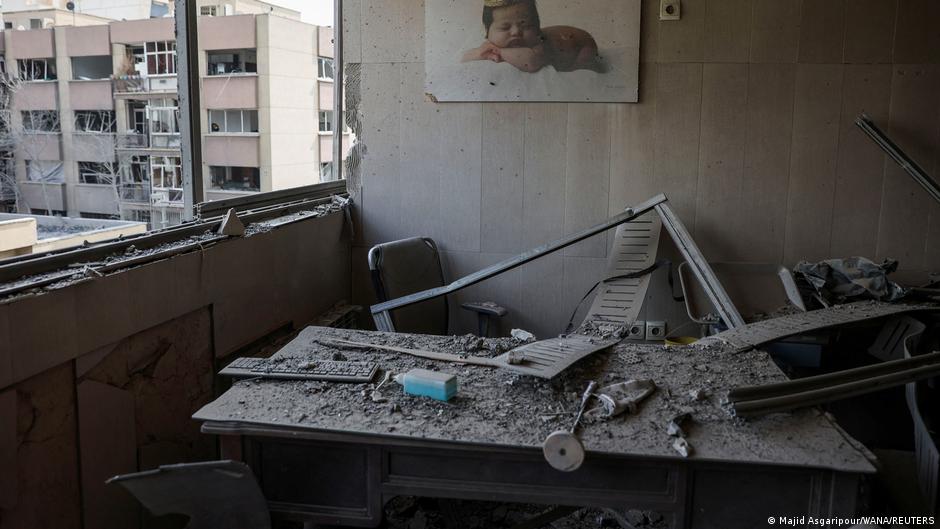
The medical and pharmaceutical facilities in Iran are facing mounting pressure due to the continuous airstrikes carried out by the United States and Israel, threatening the lives of patients and exacerbating their suffering. Reports have confirmed that many factories and medical facilities have been bombed, resulting in a severe shortage of essential medicines and treatments.
Recently, the World Health Organization confirmed that the Towfigh Darou facility, used for producing cancer treatment drugs, was among the affected establishments. The organization's Director-General, Tedros Adhanom Ghebreyesus, noted that the airstrikes also led to the destruction of the Iranian Pasteur Institute, a psychiatric hospital, and other health facilities outside Tehran.
Details of the Incident
According to reports, more than 20 attacks on the Iranian healthcare system have been recorded, resulting in at least nine fatalities. Over 100 international legal experts, including professors from prestigious universities such as Harvard and Yale, have condemned these attacks, stating that they represent a clear violation of the United Nations Charter.
Following the attack on the Towfigh Darou facility, Iranian Deputy Minister of Health Mahdi Pirsalehi stated that the facility was subjected to a direct missile strike, completely destroying the production lines. He confirmed that the factory was one of the leading manufacturers of active pharmaceutical ingredients.
Background & Context
Historically, Iran has experienced ongoing tensions with the United States and its allies, especially since Washington's withdrawal from the nuclear agreement in 2018. These tensions have significantly escalated in recent months, leading to military actions that directly impact civilians, including the healthcare system.
Iran is one of the countries suffering from a severe shortage of medicines, as treatment costs, particularly for cancer care, equate to two months' salaries for many families. With increasing military pressure, it has become challenging for patients to access necessary medications.
Impact & Consequences
Doctors and activists assert that the destruction of medical facilities constitutes a war crime under the Geneva Conventions. While the removal of protection from medical facilities is permitted in certain circumstances, the current attacks do not align with these exceptions.
Concerns are growing that the destruction of the pharmaceutical industry in Iran could be a knockout blow to the healthcare system. Many doctors have left the country due to security conditions, leading to a severe shortage of qualified medical personnel.
Regional Significance
Developments in Iran are affecting regional stability, as any military escalation could have repercussions for neighboring countries. Additionally, the deteriorating health situation in Iran may reflect on the movement of refugees and migrants to Arab countries.
In conclusion, the humanitarian consequences of these airstrikes on the Iranian healthcare system remain alarming, as war affects not only the present but may extend its impacts into the future, threatening the lives of millions.