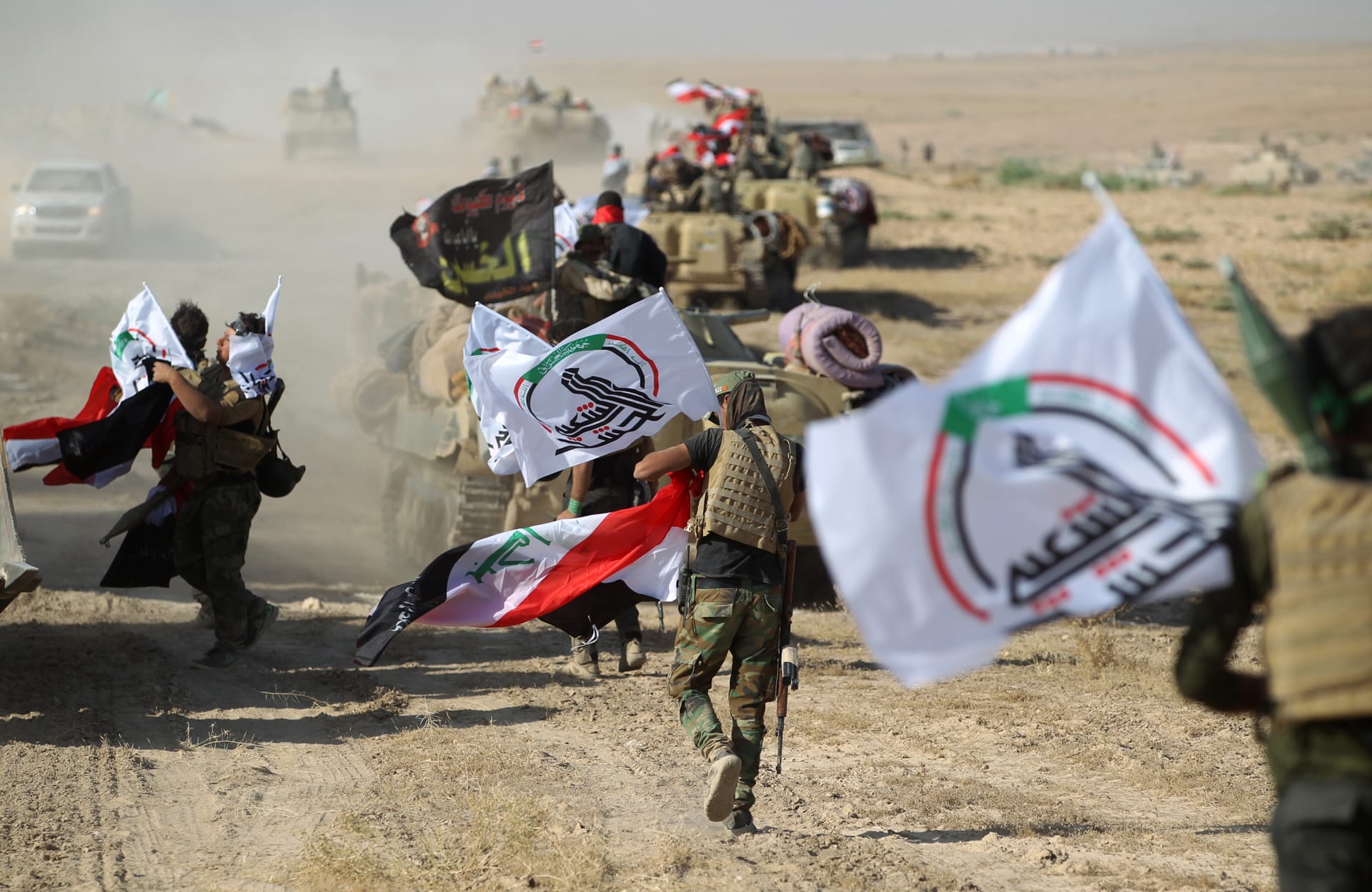
Airstrikes targeting a site of the Popular Mobilization Forces in Anbar province, western Iraq, on Tuesday resulted in the deaths of at least 10 fighters, including the commander of the Popular Mobilization operations in Anbar, and injured 30 others. These strikes occur at a sensitive time when the region is experiencing increasing tensions.
Sources from security and health sectors reported that the airstrikes targeted a military site of the Popular Mobilization Forces, which is considered one of the main factions in the war against ISIS. These airstrikes have sparked varied reactions within political and public circles in Iraq.
Details of the Incident
According to reports, the airstrikes were carried out by unidentified aircraft, raising questions about the party responsible for them. Some observers have indicated that these strikes may be linked to the broader regional conflict between major powers in the area, especially amid escalating tensions between the United States and Iran.
On the other hand, officials from the Popular Mobilization Forces confirmed that these airstrikes represent a blatant violation of Iraqi sovereignty and that they will respond to these attacks. Many Iraqi politicians have called for urgent measures to protect Iraqi forces from such assaults.
Background & Context
The Popular Mobilization Forces were established in 2014 in response to the threat posed by ISIS and have played a significant role in reclaiming territories lost during the organization's control. However, the presence of these forces remains a contentious issue in the Iraqi political arena, with some viewing them as part of the security solution while others see them as a threat to national sovereignty.
In recent years, Anbar, which was one of the most affected areas by the conflict with ISIS, has seen a relative improvement in the security situation. However, these airstrikes indicate that tensions remain, and the security situation in the region may deteriorate again.
Impact & Consequences
These airstrikes are considered a serious escalation in the ongoing conflict and may lead to retaliatory actions from the Popular Mobilization Forces. They could also affect relations between Iraq and neighboring countries, especially given the ongoing tensions between the United States and Iran.
These events are likely to increase divisions within Iraq, as some politicians may exploit the situation to bolster their positions, potentially exacerbating political and economic crises in the country.
Regional Significance
The repercussions of these airstrikes extend beyond Iraqi borders, as they could impact regional stability overall. Iraq is seen as a crossroads for many regional and international powers, and any escalation in conflict may reflect on the situations in neighboring countries such as Syria and Iran.
As the international community seeks solutions to crises in the region, such events may hinder peace and stability efforts, complicating the security situation in the Middle East.
In conclusion, the situation in Iraq remains volatile, and the international community needs to closely monitor developments, as any escalation could have serious repercussions for regional and international security.