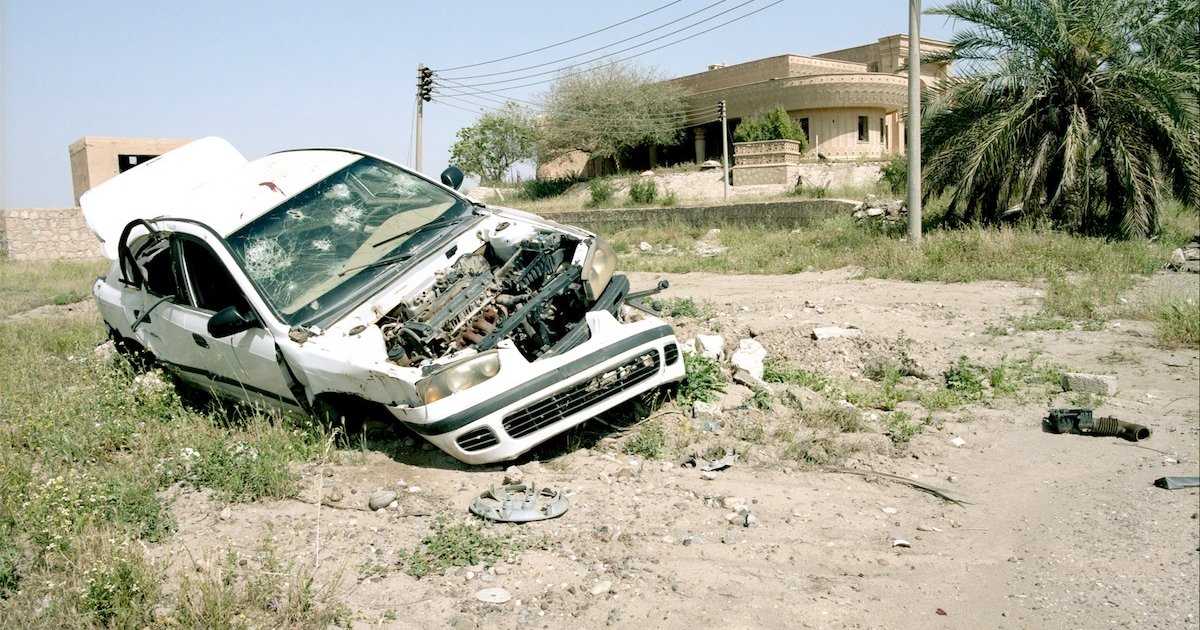
The Popular Mobilization Forces in Iraq announced early Tuesday that their sites in the provinces of Babil and Anbar were subjected to multiple airstrikes attributed to the Israeli-American coalition. The organization stated in an official statement that these strikes occurred at midnight between Tuesday and Wednesday, targeting their positions in two different sectors, raising concerns about the security situation in the country.
The organization clarified that Brigade 45 in the Jurf al-Nasr sector in Babil province was among the targeted sites, indicating a direct attack on the Popular Mobilization Forces, which are part of the Iraqi security apparatus. Material damages were reported; however, no details were revealed regarding potential human casualties.
Details of the Incident
These airstrikes come at a sensitive time, as tensions in Iraq are escalating due to ongoing conflicts among various forces in the region. The organization confirmed that these strikes are part of a deliberate targeting policy against the Popular Mobilization Forces, which some parties consider a threat to their security.
In recent years, the Popular Mobilization Forces have faced several similar attacks, raising questions about the true objectives behind these operations. The Popular Mobilization Forces are a key force in the fight against ISIS and have significantly contributed to reclaiming territories previously under the control of the organization.
Background & Context
The Popular Mobilization Forces were established in 2014 in response to the threat posed by ISIS and have become a major force in battles against the organization. However, their role in Iraqi politics and national security remains contentious. While some view them as a strong ally in the fight against terrorism, others see them as a threat to stability due to their regional affiliations.
Historically, Iraq has witnessed multiple military interventions by external powers, complicating the security and political landscape. International and regional pressures significantly influence military and security decisions in the country, making the situation more fragile.
Impact & Consequences
These airstrikes could escalate tensions between Iraq and external powers, potentially affecting internal security and political stability. Additionally, these operations may bolster the position of the Popular Mobilization Forces domestically, as they can be used as a means to rally popular support against external interventions.
Moreover, the continuation of these strikes may provoke reactions from the Iraqi government, which may find itself compelled to take firmer stances against external forces. This could contribute to increasing political divisions within the country, as opinions differ on how to address these challenges.
Regional Significance
The events in Iraq are part of a broader landscape of tensions in the Arab region, where regional and international interests intersect. Military and political pressures in Iraq may affect the stability of neighboring countries, such as Syria and Iran, complicating the security situation in the Middle East.
Ultimately, the situation in Iraq remains of great interest to the international community, as observers closely monitor developments. Military escalation could lead to unforeseen consequences, necessitating dialogue and understanding among all concerned parties.