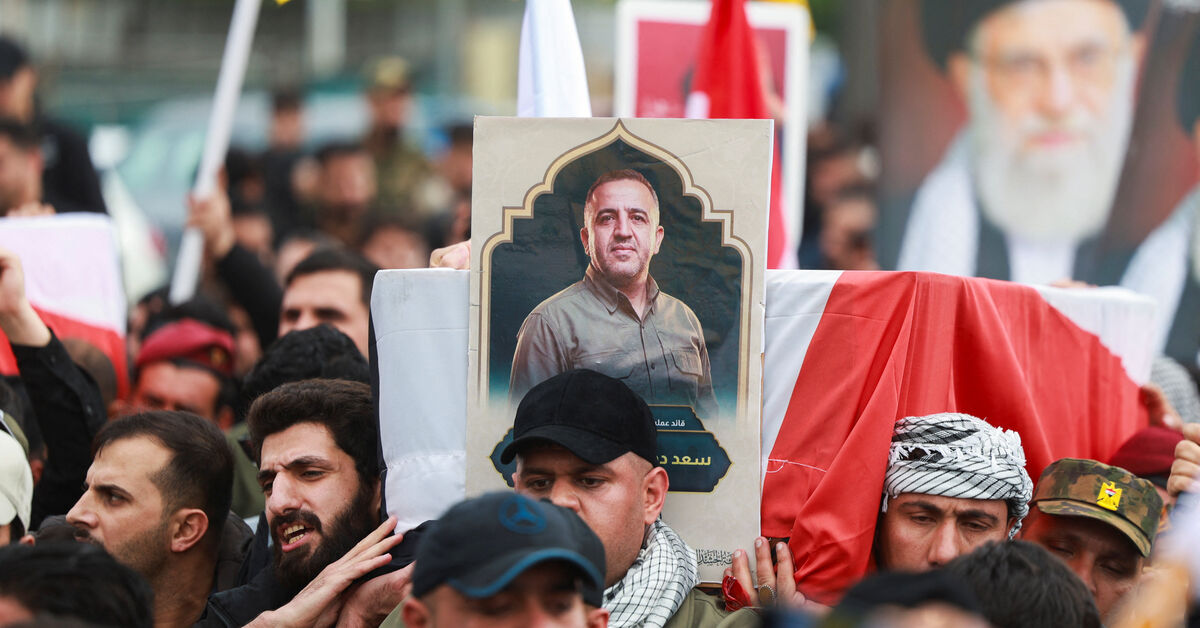
Airstrikes targeting a site belonging to the Shiite Popular Mobilization Forces in Iraq's Anbar province resulted in the deaths of 15 fighters, including the Anbar operations commander, and injured 30 others. Security and health sources confirmed that the attack occurred early Tuesday morning while the fighters were on alert.
The Popular Mobilization Forces, which are considered part of the Iraqi armed forces, issued a statement confirming the death of the Anbar operations commander, Saad Al-Baji, along with 14 of his comrades. The forces accused the United States, indicating that the airstrike targeted the command headquarters while personnel were present.
Details of the Incident
The airstrikes come at a sensitive time for Iraq, where tensions are rising between Iraqi forces and armed groups. The Popular Mobilization Forces, formed in 2014 to combat ISIS, are a key force in Iraq and have played an important role in reclaiming territory previously held by the organization.
Preliminary investigations suggest that the strikes targeted the command center of the Popular Mobilization Forces in Anbar, which has witnessed numerous military operations against extremist groups in recent years. This attack represents an escalation in military operations targeting the Popular Mobilization Forces, which some view as part of Iranian influence in Iraq.
Background & Context
Historically, Iraq has experienced numerous armed conflicts since the American invasion in 2003. The Popular Mobilization Forces, formed in response to a religious authority's call to confront ISIS, have gained a prominent role in Iraqi politics and security. However, their presence has sparked widespread controversy regarding their impact on Iraqi sovereignty and their relationship with Iran.
In recent years, criticism of the Popular Mobilization Forces has escalated due to allegations of human rights violations, leading to calls from some local and international parties for the disbandment of these factions or their integration into the official armed forces.
Impact & Consequences
The recent attack could lead to heightened tensions between Iraq and the United States, especially given the accusations directed at it for carrying out the strikes. This escalation may affect diplomatic relations between the two countries and increase internal divisions in Iraq, where opinions on the role of the Popular Mobilization Forces vary.
Additionally, this attack could provoke reactions from Iran-aligned armed factions, potentially leading to escalated retaliatory actions against American forces or their allies in the region. Such a scenario could plunge Iraq back into a cycle of violence and instability, which the Iraqi people seek to avoid after years of conflict.
Regional Significance
This event is part of the larger picture of regional conflict in the Middle East, where American and Iranian interests intersect in complex ways. The escalation in Iraq may impact the situations in Syria and Lebanon, where armed factions play a significant role in the conflict.
Moreover, this attack may raise concerns among neighboring countries, particularly those fearing the spillover of tensions into their territories. Under these circumstances, it becomes crucial for Arab countries to adopt balanced policies to maintain regional stability.
In conclusion, the attack on the Popular Mobilization Forces in Iraq represents a turning point that could lead to widespread ramifications, not only for Iraq but for the entire region. The current situation requires careful analysis and continuous monitoring of developments.