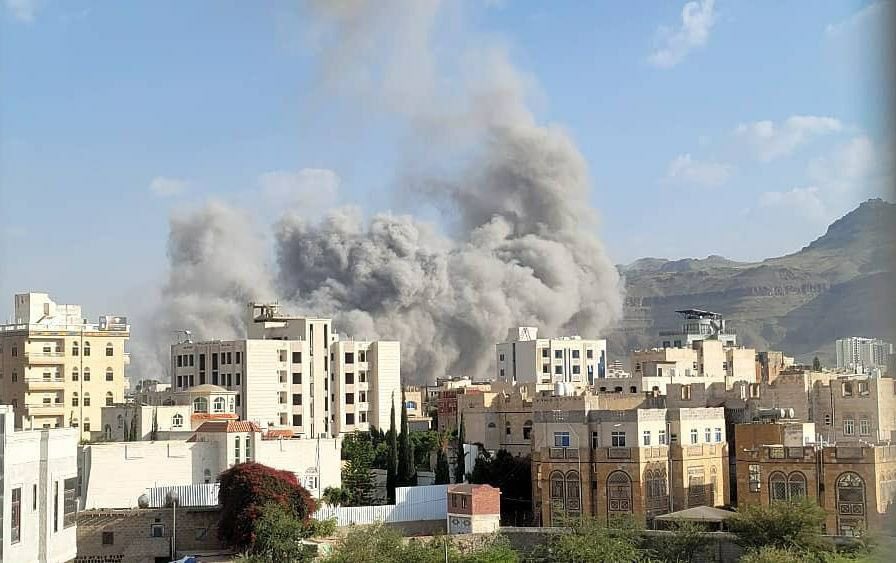
Alarms sounded in the city of Eilat in southern Israel after a drone was detected coming from Yemen, according to reports from Hebrew media. The newspaper "Yedioth Ahronoth" confirmed that the drone was successfully intercepted, preventing any damage or injuries among the residents.
Reports indicated that Israeli air defense systems also managed to intercept another drone that entered Israeli airspace near Eilat, reflecting the readiness of Israeli forces to confront any potential threats from hostile entities.
Details of the Incident
Late yesterday, Israeli forces detected the drone as it flew towards Eilat, which led to the activation of alarms in the city. This incident occurs at a sensitive time, as tensions in the region are escalating, particularly with the rise in military activities in Yemen.
The intercepted drone is considered part of the Houthis' strategy to use drones as a means to threaten Israeli security. Reports have shown that the Houthis have been able to enhance their capabilities in this area, increasing the risk of future attacks.
Background & Context
Historically, relations between Israel and Yemen have been marked by ongoing tensions, especially due to Iranian support for the Houthis. The Houthis, who control large areas of Yemen, have used drones as a tool to respond to military attacks on their territories.
In recent years, drone attacks on Israeli targets have increased, prompting Tel Aviv to bolster its air defense systems. These systems include the Iron Dome, which has proven effective in countering aerial threats.
Impact & Consequences
The recent attack reflects rising tensions in the region and suggests that the Houthis may continue to use drones as a means to pressure Israel. This could lead to greater military escalation, threatening stability in the area.
This incident may also impact Israel's relations with neighboring countries, as it will reassess its security strategies and cooperation with allies in facing common threats.
Regional Significance
These events are indicative of rising tensions in the Middle East, with increasing fears of new conflicts. Neighboring Arab countries, such as Saudi Arabia, may find themselves compelled to enhance their defensive capabilities to address the growing threats from the Houthis.
In conclusion, Arab countries must be aware of developments in the region and work to strengthen security cooperation to face common challenges, especially in light of the increasing use of modern technology in military conflicts.