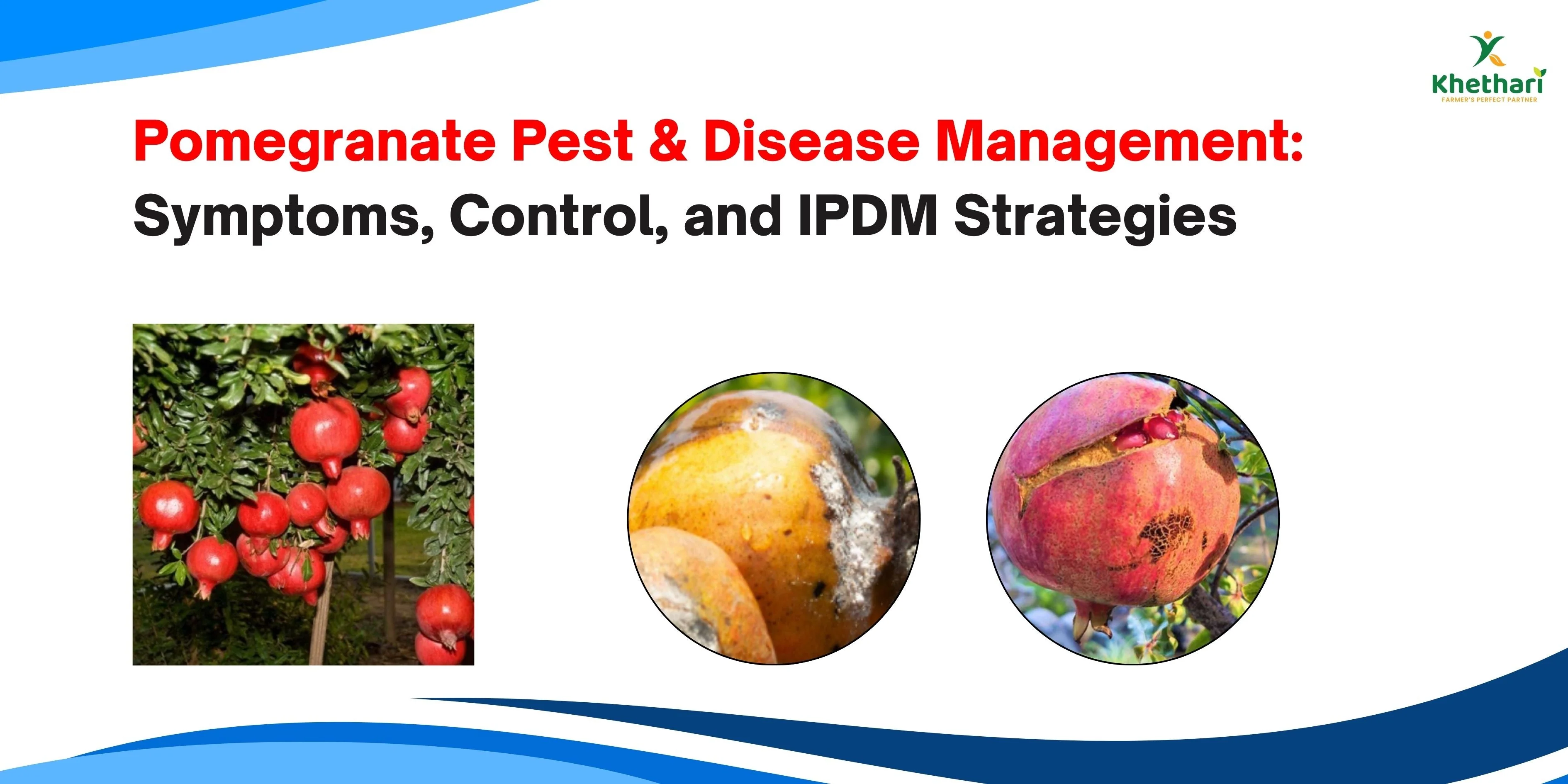
The Agriculture Directorate in Koura has urged pomegranate farmers to implement preventive measures against the spread of aphids, which threaten agricultural crops. This warning comes at a critical time as concerns grow over the impact of these pests on agricultural production.
Aphids are common agricultural pests that affect many crops, including pomegranates, leading to a decline in crop quality and reduced yields. The directorate has confirmed that these pests can reproduce rapidly, necessitating immediate action from farmers to protect their crops.
Details of the Situation
Reports indicate that aphids have begun to spread in various areas of Koura, raising alarms among farmers. The directorate has recommended the use of appropriate pesticides and regular monitoring of crops for early detection of any infestations. Workshops have also been organized to educate farmers on best practices for combating these pests.
Other suggested preventive measures include planting resistant varieties of pomegranates, as well as improving irrigation and fertilization techniques, which help enhance plant health and increase their resistance to pests.
Background & Context
Historically, the Koura region has faced numerous agricultural challenges, with its economy heavily reliant on farming. Pomegranate cultivation is one of the key economic activities in the area, contributing to job creation and food security.
With increasing climate changes and agricultural pests, it has become essential for farmers to adopt effective strategies to tackle these challenges. Awareness of the importance of pest control, such as against aphids, is a crucial step towards maintaining agricultural production in the region.
Impact & Consequences
If aphids are not controlled, it could lead to a significant decline in pomegranate production, negatively impacting the local economy. Crop losses may result in higher prices for pomegranates in the markets, affecting both consumers and farmers alike.
Furthermore, the spread of these pests may encourage excessive use of pesticides, which could have detrimental effects on the environment and human health. Therefore, balancing pest control with environmental conservation is vital.
Regional Significance
Controlling agricultural pests like aphids is a common issue among many Arab countries, where agriculture faces similar challenges. Cooperation among countries in sharing knowledge and experiences can contribute to improving pest control strategies.
In light of environmental and economic challenges, it is crucial for Arab nations to adopt sustainable agricultural policies that ensure crop protection and enhance productivity. Success in combating aphids could serve as a model for other regions.
In conclusion, the current situation requires farmers in Koura to take immediate action against aphids to ensure the safety of their crops and the sustainability of agriculture in the region.