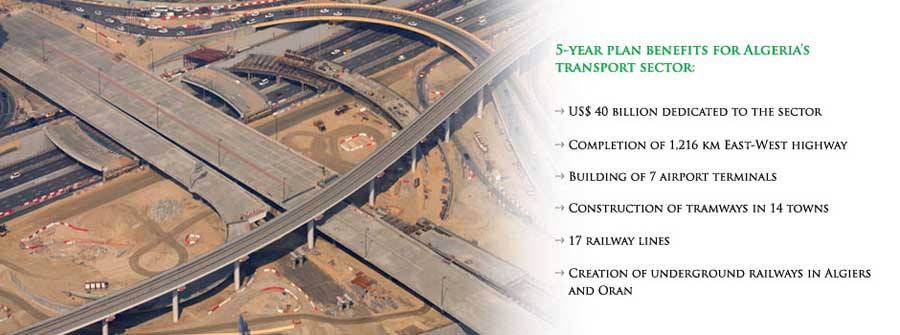
Algeria has started to engage in external borrowing, a move it previously resisted, to finance its infrastructure and reduce its reliance on oil. This new direction comes at a time when the Algerian government is seeking to enhance investments in strategic projects, raising questions about whether this represents a fundamental change in the country's economic approach or is merely a pragmatic adjustment.
Algeria, which heavily relies on oil revenues, aims to diversify its income sources and achieve economic sustainability. Reports indicate that the Algerian government plans to borrow approximately $5 billion to fund infrastructure projects, reflecting a shift in its financial policy that previously rejected external borrowing for reasons related to economic sovereignty.
Details of the Event
The move towards external borrowing is considered a significant shift in Algeria's economic policy, as the Algerian government had imposed strict restrictions on external debt, viewing it as taboo. However, the economic challenges facing the country, including declining oil prices and rising unemployment rates, have prompted the government to reconsider this policy.
Algeria aims to improve its infrastructure, including transportation and energy projects, which are deemed essential for supporting economic growth. The government has confirmed that this step aims to reduce reliance on oil, which accounts for over 90% of the state's revenues, and to enhance investments in other sectors.
Background & Context
Historically, Algeria has suffered from the repercussions of external debt that affected its economy in the 1990s, leading the government to adopt a strict austerity policy. However, the current economic conditions, including declining oil revenues, have forced the government to reassess its strategy.
It is noteworthy that many countries in the region have faced similar challenges, resorting to external borrowing as a means to stimulate growth. For instance, countries like Tunisia and Morocco have turned to international institutions for loans to bolster their development projects.
Impact & Consequences
The new borrowing policy may enhance economic growth in Algeria, but it could also raise concerns about financial sustainability. If the government fails to manage the debt effectively, the country may face a new economic crisis.
Moreover, this step may affect Algeria's relations with other countries, as the borrowing conditions may require commitments to economic reforms that could be unpopular. This situation may lead to internal tensions in the country, especially given the difficult economic conditions it is experiencing.
Regional Significance
Algeria's move towards external borrowing serves as an indicator of a shift in economic policies in the Arab region. This step may inspire other countries facing similar economic challenges to consider borrowing options as a means to stimulate growth.
At the same time, Arab countries must be cautious in managing their external debts, as excessive reliance on borrowing could exacerbate economic crises in the future. Therefore, balancing borrowing with achieving economic sustainability is of utmost importance.
In conclusion, Algeria's move towards external borrowing represents a significant shift in its economic policy. While the government seeks to enhance its infrastructure and reduce reliance on oil, the question remains whether this policy will yield positive long-term results or lead to new challenges.