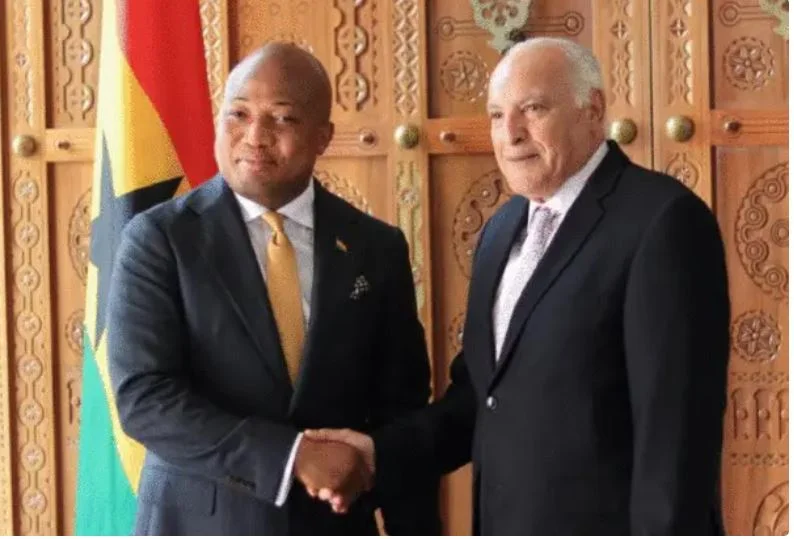
Algeria and Belgium signed two agreements on Tuesday in the Belgian capital, Brussels, aimed at facilitating the movement of Algerian diplomats and easing procedures related to the deportation of illegal migrants. The first agreement includes the exemption of holders of diplomatic passports from visa requirements, which contributes to enhancing bilateral cooperation between the two countries.
This move comes at a time when Algerian-French relations are experiencing tensions, particularly regarding visa and deportation issues that have sparked widespread debate between the two sides. Belgian authorities have confirmed that the second agreement focuses on the readmission of Algerian nationals residing illegally in Belgium, reflecting both countries' desire to address migration issues collaboratively.
Details of the Agreements
The agreements signed in Brussels are part of Algeria's efforts to strengthen its relations with European countries, especially in light of the challenges it faces regarding migration. The Belgian Foreign Minister stated that these agreements represent a positive step towards enhancing cooperation between Algeria and Belgium in various fields.
He also noted that Belgium hopes to improve the conditions of illegal migrants and provide them with necessary support, aligning with European approaches to handling migration issues.
Background & Context
Historically, Algerian-French relations have been marked by numerous tensions, particularly following France's colonization of Algeria. These tensions have resurfaced in recent years, with discussions intensifying around migration and visa issues. Algeria, seeking to bolster its sovereignty in this area, has found in Belgium a potential partner to alleviate the pressures it faces from the French side.
In recent years, Algeria has signed similar agreements with other countries, but these have not yielded the desired results in addressing migration issues. However, the agreement with Belgium may represent a new beginning in this direction.
Impact & Consequences
These agreements are expected to positively impact Algerian-Belgian relations, as they will facilitate the movement of diplomats and enhance cooperation in other areas. Additionally, this step may prompt other European countries to reconsider their policies towards Algeria, particularly concerning migration issues.
On the other hand, these agreements may provoke reactions from the French side, which may view them as a threat to its interests in the region. Consequently, Algeria may find itself in a position requiring it to balance strengthening its relations with Belgium while maintaining its ties with France.
Regional Significance
These agreements serve as a model for other Arab countries seeking to enhance their relations with European nations. Given the economic and social challenges faced by many Arab states, such agreements can be a means to bolster cooperation and development.
Moreover, this step may contribute to improving Algeria's image on the international stage, potentially opening new avenues for cooperation with other countries across various fields.
In conclusion, the agreements signed between Algeria and Belgium represent an important step towards enhancing bilateral cooperation and alleviating pressures related to migration issues, which may contribute to improving relations between Algeria and European countries.