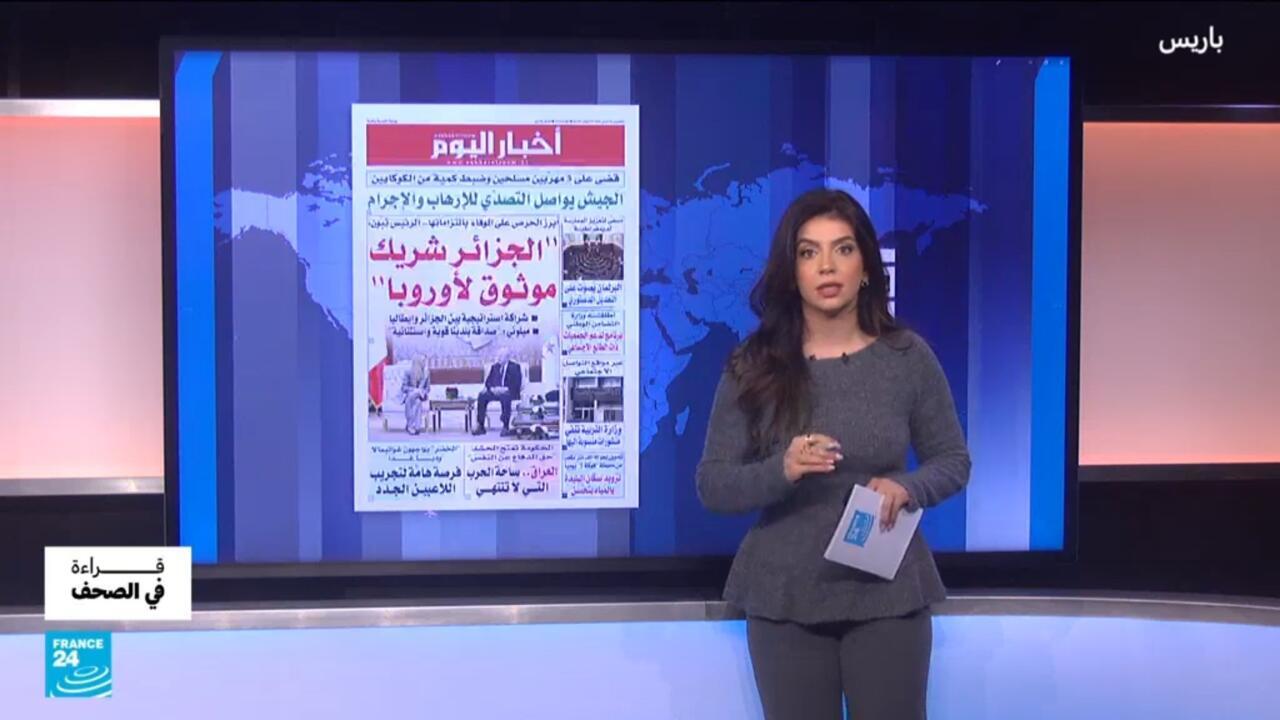
Algeria is emerging as a major energy alternative for Europe as the continent seeks to reduce its dependence on Russian energy sources. This development occurs amidst rising political tensions in the region, where Iran has rejected the U.S. proposal to end the war, complicating the geopolitical scene further.
As one of the largest natural gas producers in the world, Algeria has attracted increasing interest from several European countries regarding energy partnerships. The visit of Italian Prime Minister Giorgia Meloni to Algeria has sparked mixed reactions, with some praising the economic partnership while others criticized its timing and content.
Details of the Event
In light of the energy crises affecting Europe, Algeria stands out as a reliable alternative to meet the continent's gas needs. Algeria has expressed its readiness to expand its exports to European countries, reflecting its growing role in the global energy market. In this context, the Algerian Minister of Energy confirmed that the country is working on enhancing its infrastructure to meet the increasing demand.
On the other hand, Meloni's visit to Algeria raised questions about the true objectives behind this trip. Some viewed the visit as Italy's effort to strengthen its energy relations with Algeria, while others considered it a move to navigate the internal crises facing the Italian government.
Background & Context
These developments come at a sensitive time, as Europe grapples with the repercussions of the Ukrainian war and its impact on energy supplies. The sanctions imposed on Russia have increased pressure on European countries to seek alternatives. Algeria, with its vast gas reserves, appears to be a logical choice in this context.
Historically, Algeria has been a reliable partner for Europe in the energy sector, significantly contributing to the continent's gas supplies. However, ongoing political tensions in the region, including regional conflicts, could affect the stability of this partnership.
Impact & Consequences
If Algeria succeeds in strengthening its energy partnerships with European countries, it could positively impact its national economy, contributing to an improved standard of living for its citizens. Additionally, enhancing energy relations could open new avenues for cooperation in other fields, such as technology and investment.
However, the criticisms surrounding Meloni's visit indicate concerns that these partnerships may be merely short-term solutions amid ongoing political tensions. Therefore, Algeria needs long-term strategies to ensure the sustainability of these relationships.
Regional Significance
Algeria serves as a model for other Arab countries seeking to enhance their role in the global energy market. Given the economic and political challenges faced by many Arab nations, Algeria may be able to provide valuable lessons on how to sustainably leverage natural resources.
In conclusion, Algeria remains at the heart of global energy events, striving to enhance its position as a reliable alternative for Europe. However, the political and economic challenges it faces require innovative solutions to ensure the sustainability of these relationships.