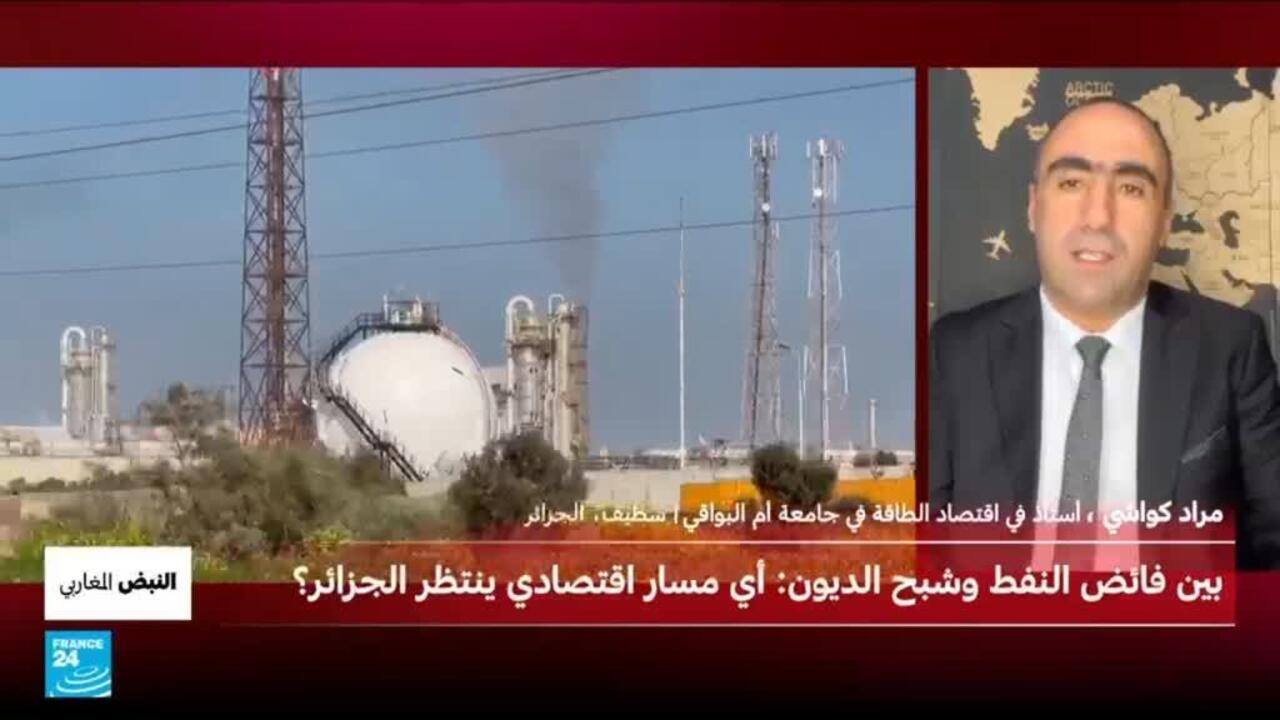
Algeria's importance in the global energy market is growing as oil and gas prices rise due to ongoing conflicts in the Middle East. However, a notable shift in Algeria's economic policy is emerging, as the government begins to move towards external borrowing after years of adhering to a 'zero debt' policy. This shift raises questions about the economic options Algeria is adopting in light of current international changes.
This change comes in the context of rising global energy prices, allowing Algeria the opportunity to enhance its revenues from oil and gas exports. Nevertheless, this situation necessitates a reevaluation of its economic strategies, especially given the financial challenges the country faces.
Details of the Event
Reports indicate that Algeria has seen a significant increase in its revenues from oil and gas exports, positioning it as a key player in the energy market once again. However, this economic success coincides with internal and external pressures compelling the government to consider new financing options, including external borrowing.
This transformation follows years of relative stability in the Algerian economy, which heavily relied on energy revenues. With oil prices reaching record levels, it appears that the Algerian government is seeking to capitalize on this boom to bolster its public budget.
Background & Context
Historically, Algeria has adhered to a 'zero debt' policy, with the government striving to avoid external borrowing to maintain its financial independence. However, as economic pressures mount, the government has begun to reconsider this policy. This shift coincides with an increasing need for investments in infrastructure and economic development.
Algeria is one of the largest producers of oil and gas in Africa, and energy revenues have supported the national economy. However, over-reliance on the energy sector makes the economy vulnerable to fluctuations in oil prices, necessitating diversification of income sources.
Impact & Consequences
External borrowing is a bold step that could improve Algeria's financial situation, but it carries significant risks. This approach may lead to increased external debt, placing the government in front of new challenges in managing the economy.
Moreover, this shift could affect Algeria's economic relations with other countries, potentially leading to changes in cooperation and investment strategies. If the government successfully manages these challenges, Algeria may enhance its position in the global market.
Regional Significance
Algeria serves as a model for how to address economic challenges amid global crises. If Algeria succeeds in balancing borrowing with economic enhancement, it may inspire other countries in the region to take similar steps.
Furthermore, economic stability in Algeria could contribute to enhancing security and stability in the region, making it an important partner in regional cooperation.
In conclusion, Algeria is facing a new phase of economic challenges and opportunities. The current situation requires innovative and flexible strategies to ensure maximum benefit from the current surge in energy prices.