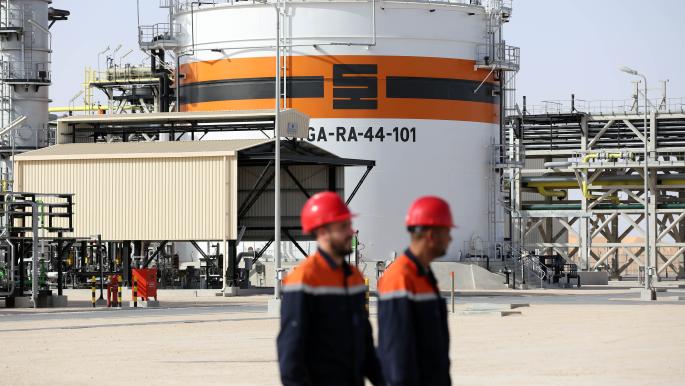
Algerian authorities have announced exceptional measures aimed at restricting certain industries considered energy-intensive, as part of efforts to enhance gas exports. This move comes at a time when Algeria is striving to optimize its natural resources and increase revenues from gas exports.
Algeria, one of the largest gas producers in Africa, aims to balance local energy consumption with global market needs. The Algerian Minister of Energy and Mines indicated that these measures will help direct resources toward more productive sectors, thereby enhancing the country's competitiveness in the international market.
Details of the Measures
The new measures include imposing restrictions on certain industries that consume large amounts of energy, known as "predatory" industries. These industries include some areas of mining and heavy industries that heavily rely on natural gas. These industries have been identified based on thorough studies of energy consumption and its environmental impact.
The Algerian initiative comes at a time when the global gas market is undergoing significant changes, with increasing demand for natural gas in Europe and Asia. Thus, Algeria hopes to boost its exports and improve its economic standing.
Background & Context
Historically, Algeria has heavily relied on gas and oil revenues, making it vulnerable to fluctuations in global energy prices. In recent years, the Algerian government has begun to recognize the importance of diversifying the economy and reducing dependence on the energy sector. These new measures are part of a comprehensive strategy aimed at promoting sustainable economic growth.
Algeria is also facing increasing environmental challenges due to the intensive use of natural resources. Therefore, reducing energy consumption in predatory industries is considered a step toward achieving sustainable development and environmental preservation.
Impact & Consequences
These measures are expected to affect many industrial companies, potentially leading to the restructuring of certain sectors. Experts warn that these restrictions may lead to reduced production in some areas, which could impact employment and economic growth in the short term.
However, some believe that this step could open the door to new investments in more sustainable sectors, enhancing Algeria's competitiveness in the global market. Additionally, improving energy efficiency could lead to long-term cost reductions.
Regional Significance
Algeria is considered one of the leading gas-producing countries in the Arab region, and thus any changes in its policies may affect neighboring countries. These measures may inspire other nations in the region to adopt similar policies aimed at optimizing natural resource utilization and reducing environmental impacts.
Furthermore, boosting Algerian gas exports could contribute to stabilizing the regional market, especially amid geopolitical tensions affecting energy supplies in the area.
In conclusion, the Algerian measures represent an important step toward achieving sustainable development and enhancing competitiveness in the global market. It remains to be seen how these measures will impact the national economy and trade relations with other countries.