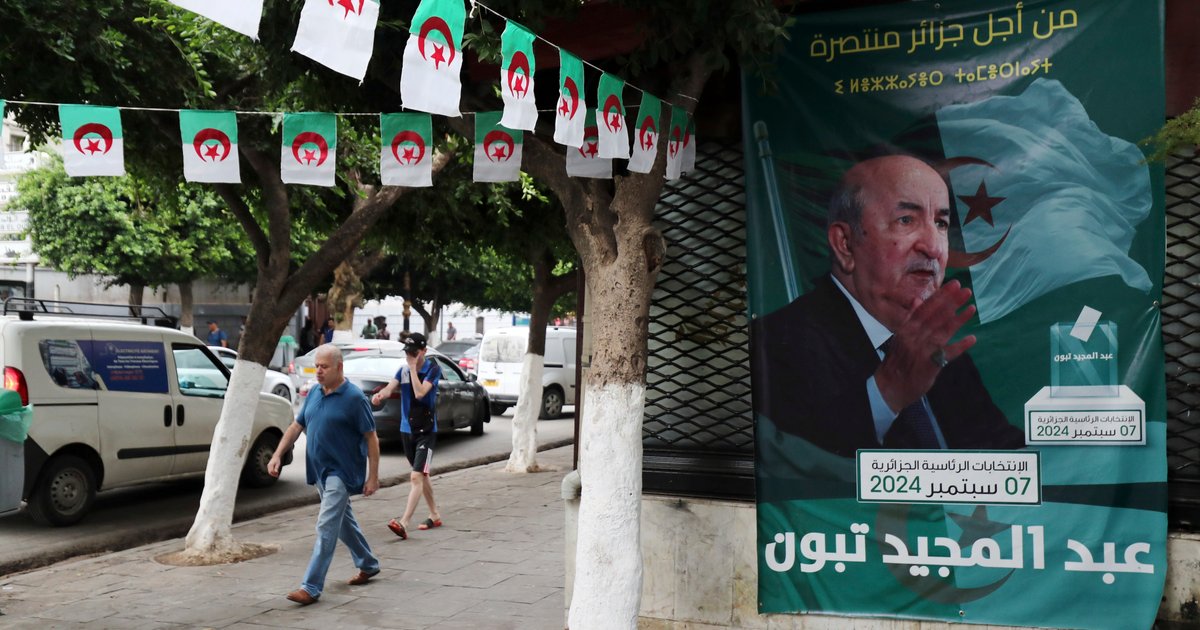
Algeria has officially announced the calling of the electorate in preparation for the legislative elections set for July 2, 2026. This announcement came in a presidential decree signed by President Abdelmadjid Tebboune on April 4, placing the country on the brink of a new phase in its political life.
This move comes at a sensitive time for Algeria, as President Tebboune seeks to enhance political stability and restore confidence in democratic institutions. The legislative elections represent an opportunity for citizens to express their opinions and choose their representatives in the National People's Assembly, which is the country's highest legislative body.
Details of the Event
According to the presidential decree, voters will be called to cast their votes to select members of the National People's Assembly, which consists of 462 seats. The elections will take place under strict security measures to ensure the smooth conduct of the electoral process, especially in light of the political and economic challenges facing the country.
The elections are expected to witness fierce competition among various political parties, each striving to secure the largest number of seats. There is also significant interest from both local and international observers to monitor the electoral process, reflecting the importance of these elections in strengthening democracy in Algeria.
Background & Context
Historically, Algeria has experienced several electoral cycles since its independence in 1962, but the last elections saw widespread boycotts by voters, raising questions about the credibility of the electoral process. In recent years, the country has faced economic and social challenges, leading to popular protests demanding political reforms.
President Tebboune, who took office in December 2019, aims to restore trust in the political system through conducting free and fair elections. He has announced a series of political and economic reforms aimed at improving the situation in the country.
Impact & Consequences
These elections represent a genuine opportunity for Algerians to voice their opinions and participate in decision-making. The success of the elections could enhance the country's stability and restore confidence in government institutions. Conversely, any failure to organize the elections or ensure their integrity could exacerbate political and social crises.
The results of the elections will also impact Algeria's relations with other countries, especially in light of the regional challenges facing the area. Algeria's success in organizing free and fair elections could bolster its standing in the Arab world and increase opportunities for cooperation with other nations.
Regional Significance
The Algerian elections are seen as a model for the region, where many Arab countries are grappling with political and economic crises. Algeria's success in conducting democratic elections may encourage other countries to adopt a similar approach, contributing to regional stability.
In conclusion, the upcoming legislative elections in Algeria are a significant event that everyone is watching, reflecting the aspirations of the people for a better future. Citizens hope that these elections will mark a new beginning towards achieving the political and economic reforms needed in the country.