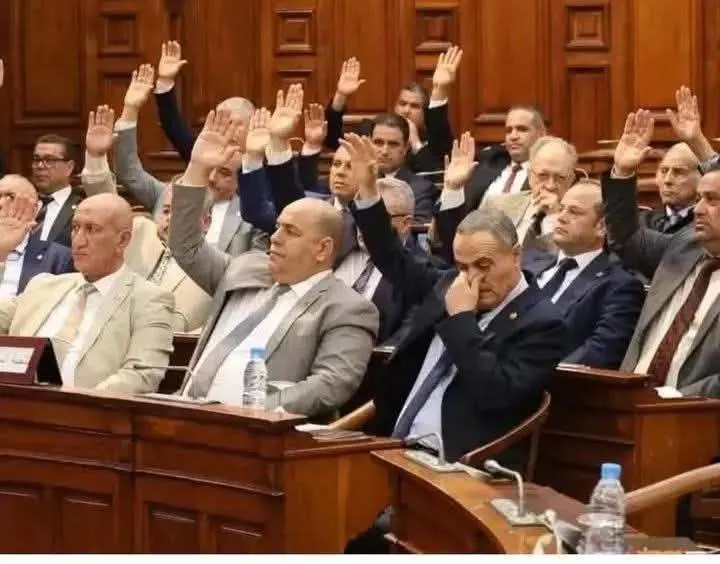
Algerian parties participating in the parliamentary elections set for July 2 are facing major difficulties in replacing dozens of their candidates, as many have been disqualified under a legal provision that has become a terrifying nightmare for them. The administrative and security authorities have used this law as a tool to prevent the infiltration of corrupt money into politics, affecting all parties and even independents, with some regions seeing the disqualification of entire candidate lists.
In a statement released on Wednesday, the opposition party "New Generation" confirmed that the "Independent National Authority for Elections" rejected many of its nominations, both at the local level and within the circles of the Algerian diaspora abroad, without specifying the number of disqualified candidates. The party explained that the "rejection decisions, most of which were issued on the eve of Eid al-Adha, included entire candidate lists, complicating the possibility of maintaining our lists or filing appeals during the holiday, given the limited legal deadlines."
Details of the Situation
The party condemned these rejection decisions, deeming them "unacceptable," and called on public opinion to recognize their seriousness. It clarified that these decisions reveal a clear desire to obstruct the participation of the "New Generation" party in the legislative elections, noting that the members affected by the rejection decisions are well-known leaders within the party, who were legally appointed by its official bodies.
Meanwhile, the opposition Islamic party "Movement of Society for Peace" expressed its concern over the "widespread arbitrary application of Article 200 of the Electoral Law," pointing out that this has led to the exclusion of several candidates without clear legal evidence. The party emphasized that this exclusion opens the door for selective administrative use of the law, undermining the principles of justice and equal opportunity.
Background & Context
Article 200 of the Electoral Law pertains to the conditions for candidacy, stipulating that candidates must not be linked to dubious financial and business circles. This article has faced sharp criticism due to its vague wording, allowing the authorities to disqualify significant names and lists based on investigations and security reports, without the need for a final judicial ruling condemning these candidates.
It is noteworthy that the exclusion decisions have not been limited to opposition parties; they have also affected major ruling parties such as the "National Liberation Front" and the "National Democratic Rally." These decisions have been met with silent compliance from these formations, reflecting a submission to the electoral authority that based its decisions on security reports.
Impact & Consequences
Concerns are growing that these practices may entrench political closure and deepen the trust gap between citizens and institutions. Analysts indicate that these conditions could negatively impact the credibility of the upcoming elections, potentially leading to voter apathy.
Furthermore, these developments may pave the way for more popular protests, as citizens feel that their political and constitutional rights are being violated. This could escalate political tensions in the country, threatening the stability that the government seeks to maintain.
Regional Significance
The upcoming Algerian elections represent a real test of democracy in the country, at a time when the Arab region is witnessing significant political transformations. The success or failure of these elections could impact political stability in neighboring countries, reflecting the ability of Arab regimes to address demands for change and reform.
In conclusion, the political landscape in Algeria remains complex, with intertwined legal and political challenges, making it difficult to predict the course of the upcoming elections.