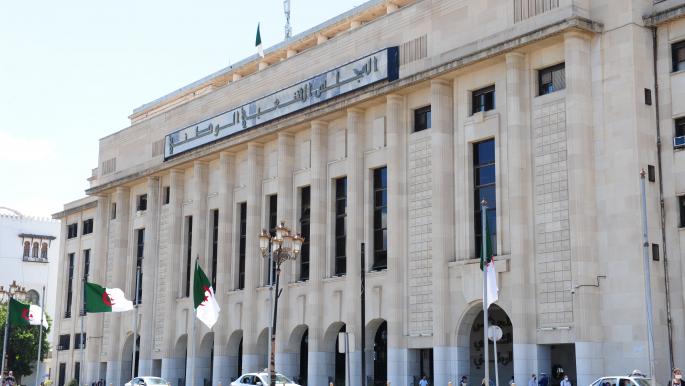
On Monday, the Algerian Parliament commenced discussions on a new electoral law project that includes substantial amendments to the powers of the Independent Electoral Authority. This step is part of the government's efforts to enhance transparency and integrity in the electoral process, amid increasing calls from various political and social parties for electoral system reform.
The proposed amendments include expanding the scope of the authority's powers, allowing it greater independence in managing elections, setting new criteria for candidates, and enhancing oversight of electoral campaigns. These changes come at a sensitive time for Algeria, as the country seeks to restore trust in the democratic process after years of political turmoil.
Details of the Event
During the session, a comprehensive presentation of the law project was made by the Minister of Interior, who emphasized the importance of these amendments in improving the image of Algerian elections. It was also stressed that all political parties should be involved in the dialogue regarding electoral reforms to ensure broad consensus on the new laws.
The law project also includes new mechanisms for monitoring elections, including the use of modern technology to ensure the integrity of the voting process. Additionally, the establishment of local committees to oversee the electoral process in various regions was proposed, contributing to enhanced transparency and credibility.
Background & Context
These discussions occur within a complex historical context for Algeria, which has witnessed widespread popular movements against corruption and the ruling authority in recent years. These protests led to the resignation of former President Abdelaziz Bouteflika in 2019, and since then, the new government has been striving to implement political and economic reforms.
In 2021, new legislative elections were held, but the results were unsatisfactory for many citizens, prompting the government to reconsider electoral laws. These discussions represent an opportunity to correct the course and build trust between the government and the citizens.
Impact & Consequences
If the law project is approved, it could have a significant impact on the political landscape in Algeria. Strengthening the powers of the Independent Electoral Authority is expected to improve the credibility of upcoming elections, which may encourage more citizens to participate in the democratic process.
This move could also help improve relations between the government and political parties, potentially opening the door for broader political dialogue on national issues. However, the biggest challenge remains the effective and tangible implementation of these reforms, beyond mere rhetoric.
Regional Significance
The Algerian experience in electoral system reform serves as a model for the Arab region, where many countries face similar issues related to corruption and a lack of trust in institutions. This step may inspire other countries to pursue political reforms that enhance citizen participation in decision-making.
Amid the political and social changes occurring in the region, Algeria may be in a position to play a leading role in promoting democracy if it successfully implements these reforms effectively.
As discussions continue in the Algerian Parliament regarding the new electoral law, many hope this step marks the beginning of a new phase of transparency and effective political participation.