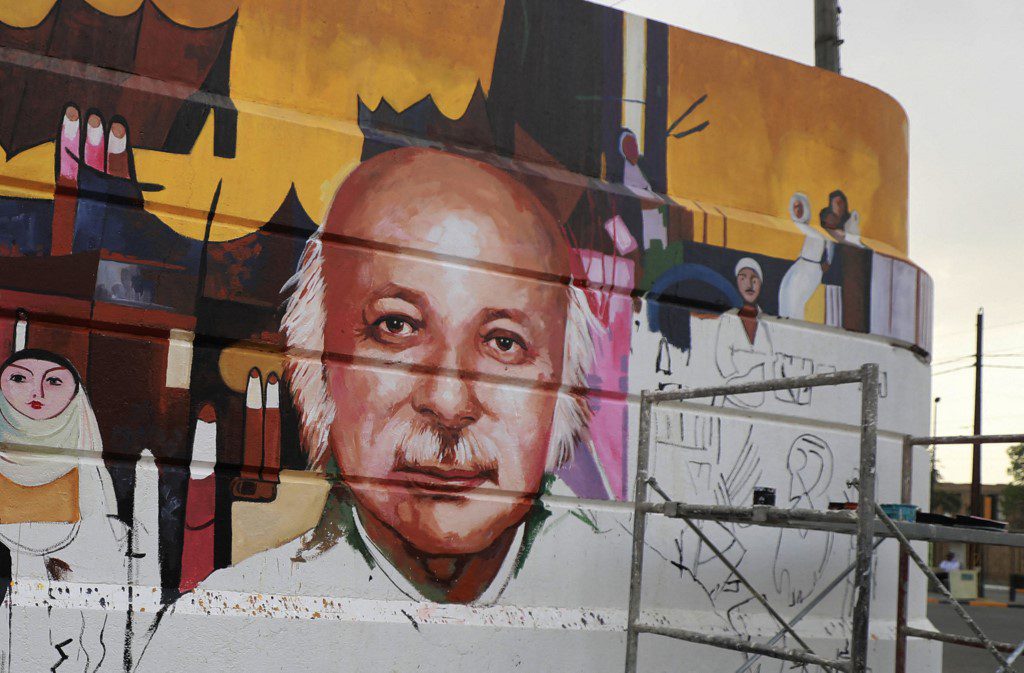
Algerian popular poetry is an integral part of the country's cultural memory, transcending mere entertainment or artistic expression. It reflects a profound civilizational and cultural depth that spans centuries, articulating the community's experiences and aspirations.
The significance of popular poetry in Algeria is evident through its connection to two great legacies: the heritage of the pre-Islamic mu'allaqat, which laid the foundations of Arabic poetry, and the legacy of Islamic mysticism, which enriched the spiritual consciousness of Algerians. This fusion of literary and religious arts creates rich texts that mirror the experiences of daily life.
Forms and Themes of Algerian Popular Poetry
Popular poetry in Algeria manifests in various forms, encompassing poems that address themes of love, pride, sorrow, and nostalgia for the homeland. This genre is characterized by its simple and direct language, making it accessible to the hearts of the people. Additionally, the oral performance of popular poetry enhances its interaction with the audience, as it is shared during social occasions and celebrations.
Some well-known styles of popular poetry in Algeria include "raï" and "chaâbi," both reflecting the diverse cultural traditions within the country. These styles are not merely artistic expressions; they serve as a means of articulating identity and belonging.
Background & Context
The history of popular poetry in Algeria dates back to ancient times, where it was used as a medium for conveying stories and legends. Over time, this art form evolved to reflect the social and political changes that the country underwent, especially during the French colonial period.
During this era, popular poetry became a means of expressing resistance and holding onto national identity. Popular poets played a crucial role in inspiring the Algerian people and motivating them to struggle for freedom and independence.
Impact & Consequences
Popular poetry in Algeria represents a powerful tool for expressing social and political issues. It reflects the concerns and hopes of the people, fostering a spirit of solidarity among individuals. Furthermore, it has a significant impact on popular culture, contributing to the formation of collective consciousness.
The influence of popular poetry is evident in other art forms, such as music and theater, illustrating the interconnection of the arts within Algerian culture. This interaction helps to strengthen cultural identity and reinforces the status of popular poetry as an essential part of the national heritage.
Regional Significance
Algerian popular poetry serves as a model in the Arab world, showcasing the diversity of cultures and languages. Its influence extends to neighboring countries, where many poets adopt similar styles to express their social and political concerns.
Moreover, popular poetry enhances cultural ties between Arab nations, facilitating the exchange of ideas and experiences. This exchange reflects the unity of Arab culture despite its diversity, thereby reinforcing a shared identity.
In conclusion, popular poetry in Algeria remains a symbol of cultural and historical identity, encapsulating the experiences and hopes of the people. It is a legacy that must be preserved and promoted, ensuring it remains part of the collective memory for future generations.