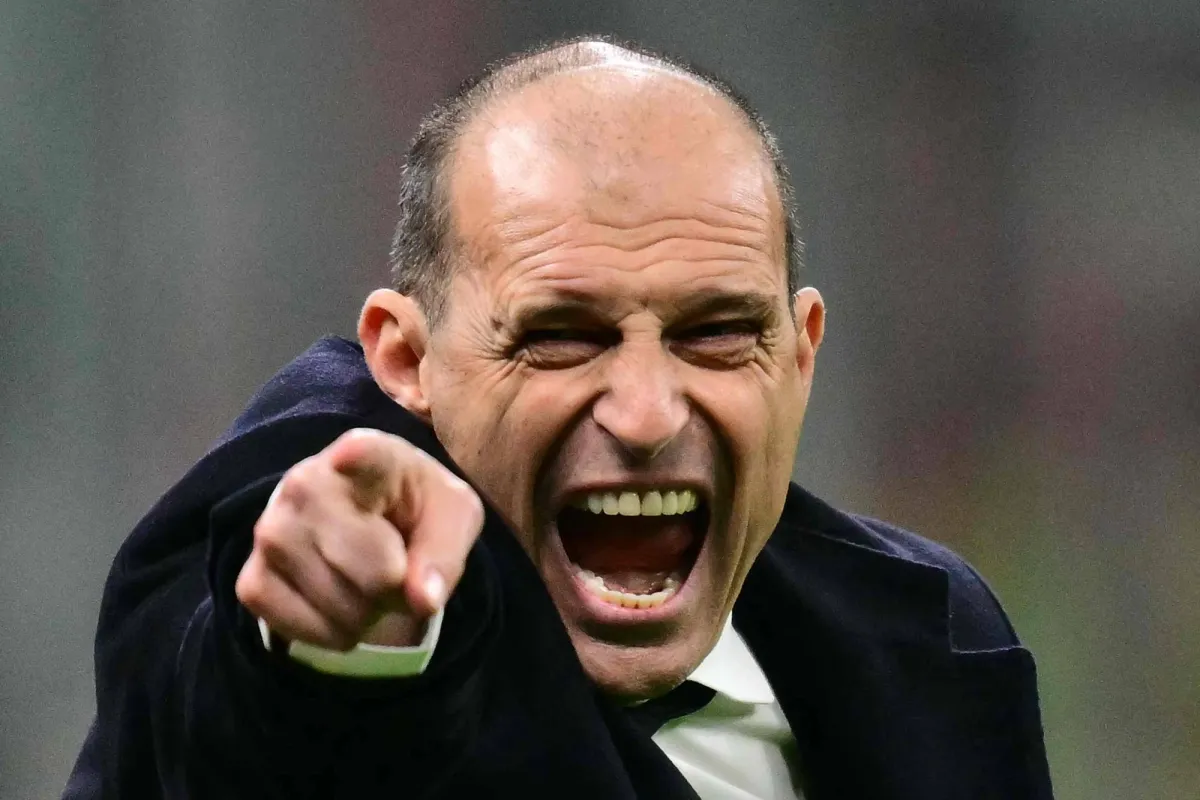
Massimiliano Allegri, the coach of the Italian team AC Milan, confirmed that he has never considered taking on the role of coaching the Italian national football team, following Gennaro Gattuso's resignation after the loss to Bosnia in the European playoff match for the World Cup. Allegri, who returned to coach Milan last year, indicated that his current focus is on improving his team's performance and ensuring their qualification for the Champions League.
Gattuso's resignation came after the Italian national team, a four-time World Cup winner, failed to qualify for the finals for the third consecutive time. Additionally, the president of the Italian Football Federation, Gabriele Gravina, also resigned, increasing the pressure on Italian football, which has been experiencing a decline in performance.
Details of the Event
In a press conference held before the upcoming Serie A match against Napoli, Allegri faced numerous questions regarding the future of the Italian national team. The coach expressed his regret over Italy's failure to qualify, highlighting the importance of seizing this opportunity to establish a strategic vision for Italian football in the coming years. Allegri confirmed that relevant bodies need to convene to review the rules and foundations upon which football in Italy should be built, starting from grassroots levels up to the senior national team.
Allegri, who has achieved significant success with Juventus, returned to coach Milan after a period of absence, and his team currently sits in second place in the Serie A standings, six points behind Inter Milan. When discussing his future, he confirmed that he is focused on finishing the season well with Milan, stating that he has not considered coaching the Italian national team at this time.
Context and Background
Historically, Italian football has experienced periods of success and setbacks. After the Italian national team won the World Cup four times, it was expected that this success would continue; however, recent results have proven otherwise. The failure of the national team to qualify for the World Cup three times in a row reflects a real crisis in Italian football, necessitating a reevaluation of the strategies employed in player and team development.
Gattuso's resignation served as a wake-up call for the Italian Federation, which needs to take serious steps to rebuild the national team. Under these circumstances, Allegri appears to be the ideal candidate to take on the role, but the coach himself prefers to focus on his project with Milan.
Consequences and Impact
The impact of the Italian national team's failure to qualify for the World Cup extends beyond mere sporting results. It affects the morale of fans and the clubs' investments in player development. Furthermore, the resignations of Gattuso and Gravina indicate a crisis of confidence in the current management of Italian football, which could lead to radical changes in the administrative structure.
If the situation remains unchanged, we may witness negative repercussions for Italian clubs in European competitions, potentially affecting the reputation of Serie A as one of the strongest leagues in the world. A comprehensive reevaluation of the policies in place for player development and training is required.
Impact on the Arab Region
Football in the Arab region is an important part of culture and identity. The failure of the Italian national team to qualify for the World Cup may raise questions about how national teams are managed in the Arab world. Italy's experience could serve as a crucial lesson for Arab countries seeking to develop their national teams, emphasizing the need to focus on building strong teams capable of competing on an international level.
Ultimately, football remains a tool for communication and interaction between cultures, and the failure of any major team like Italy could impact fans worldwide, including in Arab countries, who passionately follow sporting events.