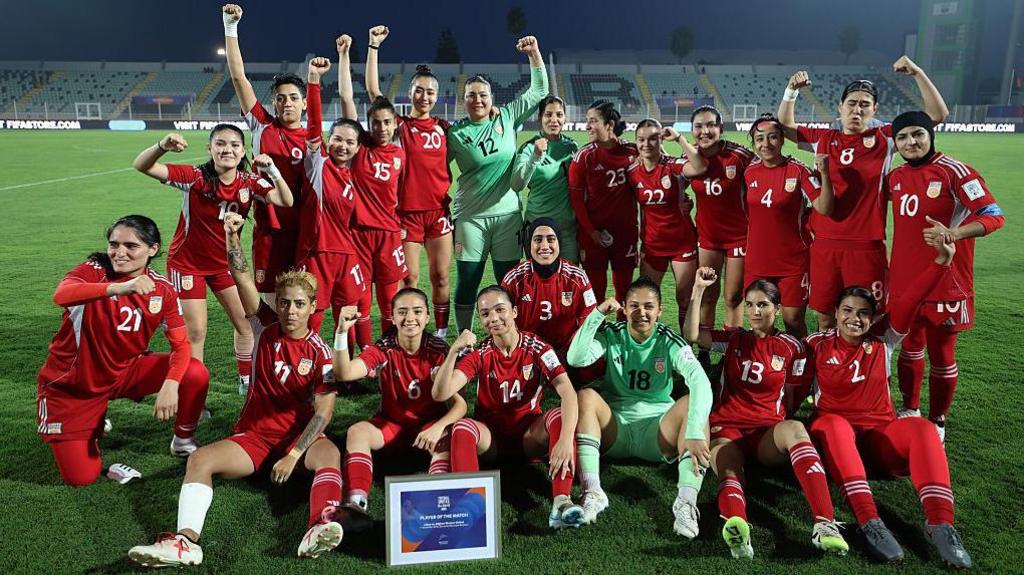
FIFA recently announced its decision to allow Afghan women to return to international competitions, a historic milestone in the journey of women's sports in Afghanistan. This decision comes after a long period of challenges faced by women in the country, particularly following the Taliban's takeover of power.
Khalida Popal, the former captain of the Afghan national team, emphasized that this step symbolizes resilience and strength, noting that Afghan women have always been a testament to challenge in difficult circumstances. She expressed hope that this decision would inspire more women in Afghanistan to engage in sports and international competitions.
Details of the Announcement
This move follows years of restrictions imposed on women in Afghanistan, where they were officially barred from participating in sports. Nevertheless, some women continued to practice sports secretly, reflecting their strong will and desire for success.
Through this decision, FIFA aims to support women's sports globally, especially in countries facing restrictions on women's rights. This decision serves as a powerful message advocating for women's rights to participate in sports and compete on international levels.
Background & Context
Historically, women's sports in Afghanistan have faced numerous challenges, particularly amid changing political and social conditions. After the fall of the Taliban regime in 2001, Afghan women experienced some progress in their rights, including the ability to participate in sports. However, the return of the Taliban to power in 2021 reinstated many of the restrictions that had previously been lifted.
Despite these challenges, Afghan women have continued to pursue their sporting dreams, forming sports teams in exile, which reflects their spirit of determination and perseverance. These teams have contributed to raising awareness of women's rights in sports on an international level.
Impact & Consequences
FIFA's decision to allow Afghan women to compete internationally is viewed as a positive step towards enhancing women's rights in sports. This decision is expected to encourage more women in Afghanistan to engage in sports activities, contributing to a culture of sports among girls.
Furthermore, this decision may motivate other international organizations to support women's sports in countries facing restrictions on women's rights. Consequently, it could have a positive impact globally, highlighting the importance of supporting women's rights across all fields.
Regional Significance
The issue of women's rights in sports is also significant in the Arab region, where women face similar challenges in some countries. The success of Afghan women in returning to international competitions can inspire women in Arab countries to demand their rights to participate in sports.
Additionally, this decision could enhance cooperation between Arab countries and Afghanistan in the field of sports, contributing to strengthening cultural and sporting relations among peoples.
The return of Afghan women to international competitions represents a historic step in the journey of women's sports, reflecting the strength of will and resilience in the face of challenges. It is crucial to continue supporting women's rights in all areas, including sports, to ensure equality and justice.