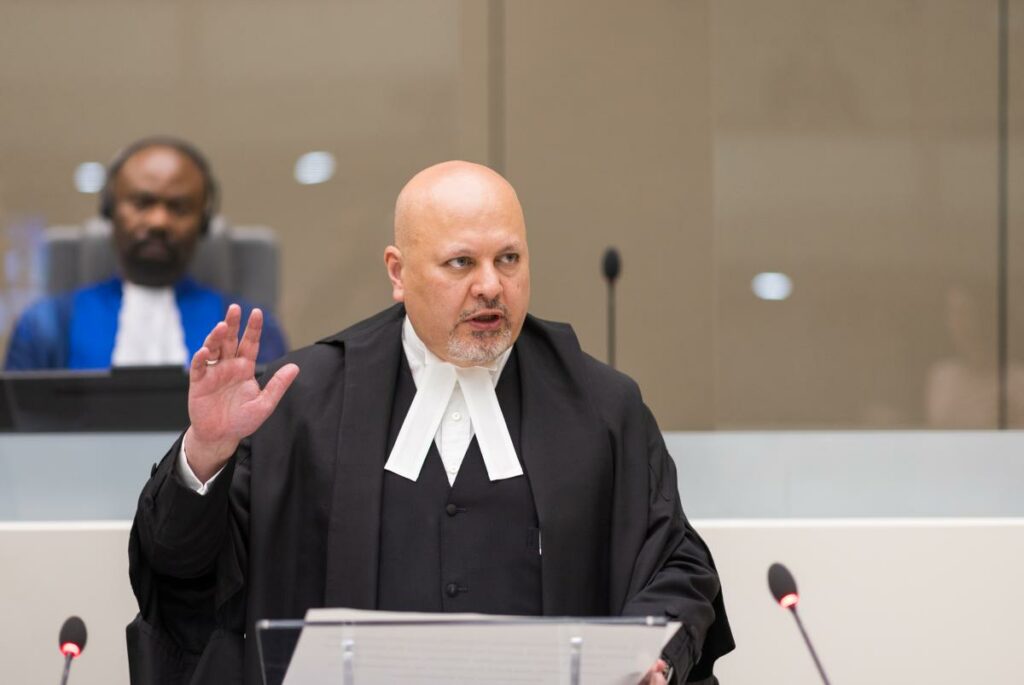
Judges at the International Criminal Court (ICC) have announced that the prosecutor, who was under investigation for inappropriate conduct, can resume his work. This decision follows a period of tensions and criticisms faced by the court, reflecting the importance of maintaining the stability of the institution amid increasing crises.
The investigations pertained to the prosecutor's behavior in the workplace and sparked widespread debate regarding professional conduct standards in international institutions. The court's decision was made after a thorough review of the files and allegations presented against the prosecutor, allowing him the opportunity to return to his primary duties in pursuing international cases.
Details of the Event
These developments come at a critical juncture for the International Criminal Court, which is facing multiple challenges related to its credibility and effectiveness. The court has been under scrutiny for some time due to issues related to investigations into war crimes, in addition to political pressures from certain states. The judges' decision to reinstate the prosecutor reflects the court's desire to regain trust and enhance its ability to perform its role.
The investigations aimed to assess the prosecutor's behavior and its impact on the court's operations. The judges noted that the prosecutor had demonstrated a commitment to improving his professional conduct, making it feasible for him to resume his work without affecting the court's reputation.
Background & Context
The International Criminal Court was established in 2002, with the aim of prosecuting individuals accused of committing war crimes and crimes against humanity. However, the court has faced significant challenges since its inception, including a lack of cooperation from some member states. The investigations into the prosecutor's conduct are part of the court's efforts to enhance transparency and accountability, which are integral to its commitment to human rights principles.
Historically, there have been similar cases in other international institutions where leaders' behaviors have been investigated. These cases often lead to discussions about how international institutions are managed and their ability to maintain high ethical standards.
Impact & Consequences
The judges' decision to reinstate the prosecutor may have wide-ranging implications for the reputation of the International Criminal Court. As the prosecutor seeks to resume his duties, the court needs to bolster its credibility in the eyes of the international community. Given the current challenges, the court's success hinges on its ability to address issues effectively and transparently.
This decision may influence how states engage with the court, as some countries might reassess their cooperation based on how this case is managed. Furthermore, this decision could open the floor for more discussions regarding professional conduct standards in international institutions.
Regional Significance
In the Arab region, the International Criminal Court is a contentious topic, as many cases relate to war crimes and violations in various conflicts. The court's decision to reinstate the prosecutor may affect how Arab states engage with the court, especially amid ongoing crises in countries like Syria and Libya.
Additionally, this decision could contribute to enhancing dialogue about the importance of international justice and human rights in the region, potentially leading to increased cooperation between Arab states and the court in the future.
In conclusion, the judges' decision at the International Criminal Court represents a significant step towards restoring trust in the institution. However, challenges remain, and the court must work diligently to enhance its credibility and effectiveness in addressing international crises.