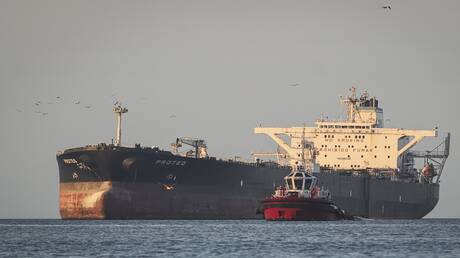
The Iraqi government has announced an important decision that allows Iraqi ships to transit through the Hormuz Strait, enabling traders and refineries to receive crude oil shipments. This decision follows Iraq's acquisition of a special exemption from Iran, reflecting an improvement in relations between the two countries and enhancing Iraq's ability to export its oil.
This step is seen as a breakthrough for Iraq, which faces significant economic challenges, heavily relying on oil revenues. Allowing Iraqi ships to pass through the Hormuz Strait opens new horizons for Iraq to expand its oil exports, potentially contributing to improving the country's economic situation.
Details of the Event
It is noteworthy that the Hormuz Strait is one of the most important waterways in the world, through which approximately 20% of the world's total oil passes. The Iraqi decision comes at a sensitive time as the government seeks to enhance its oil exports amid ongoing economic challenges.
The special exemption granted by Iran to Iraqi ships also reflects Tehran's desire to strengthen economic cooperation with Baghdad, especially in light of changing regional circumstances. This cooperation could contribute to greater stability in the region and enhance Iraq's ability to regain its position as a major supporter in the global oil market.
Background & Context
Over the years, Iraq has faced significant challenges in the oil sector, including sanctions and political pressures. Nevertheless, the Iraqi government is striving to bolster the oil sector as part of its economic strategy. Oil is the primary source of government revenues, making any step to enhance its exports of utmost importance.
In recent years, Iraqi-Iranian relations have seen a notable improvement, with both countries seeking to enhance cooperation in various fields, including energy. This cooperation could have positive implications for regional stability, especially amid existing tensions in some neighboring countries.
Impact & Consequences
This decision is expected to positively impact the Iraqi economy, as it will help increase revenues from oil exports. Additionally, strengthening cooperation with Iran may open up new investment opportunities in the energy sector, enhancing Iraq's ability to achieve sustainable development.
Furthermore, this decision could contribute to improving relations between Iraq and other countries in the region, as it may be viewed as a step towards enhancing regional stability. Given the challenges facing the region, any improvement in economic relations could have positive effects on security and stability.
Regional Significance
This decision serves as an indicator of the potential to enhance cooperation among Arab countries in the fields of energy and economy. Given the common challenges facing Arab nations, strengthening cooperation in oil could contribute to achieving greater stability in the region.
Moreover, this cooperation may open up new opportunities for investment and trade among Arab countries, enhancing their ability to face economic challenges. Ultimately, strengthening regional cooperation could have positive implications for sustainable development in the region.