The United States has permitted a Russian oil tanker carrying crude oil to reach Cuba, potentially providing vital support to the Caribbean island amid the ongoing oil blockade imposed by Washington. Reports indicate that the tanker, 'Anatoly Kolodkin,' was off the eastern coast of Cuba.
This move comes at a time when Cuba is suffering from a severe energy crisis, as the United States has maintained an economic blockade on the island for decades. Ship tracking data has shown that the tanker was close to entering Cuban territorial waters, raising questions about the reasons for allowing this shipment to pass.
Details of the Event
According to a report published by the 'New York Times,' an unidentified U.S. official indicated that there is ambiguity surrounding the reason for allowing the tanker to transit. This unusual development contrasts with U.S. policy aimed at pressuring Cuba through strict restrictions on its oil imports.
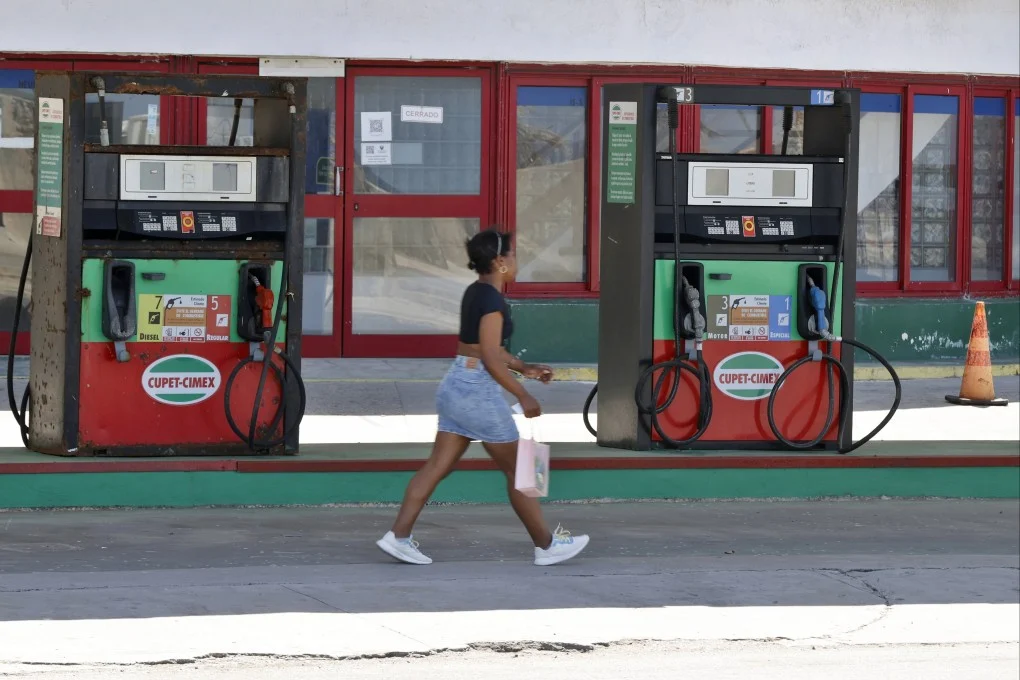
It is noteworthy that Cuba heavily relies on imports to meet its energy needs, and the U.S. blockade has exacerbated economic and social crises in the country. Therefore, the arrival of this tanker could represent a glimmer of hope for the island, which is facing a severe fuel shortage.
Background & Context
Since 1960, the United States has imposed an economic blockade on Cuba, significantly impacting its economy. In recent years, Cuba has experienced a substantial decline in living standards, with food and fuel prices soaring, leading to public protests against the government.
In recent years, Cuba has increased its cooperation with Russia, particularly in the fields of energy and trade. The relationship between the two countries has improved markedly following the deterioration of relations between Cuba and the United States, making Cuba increasingly reliant on Russian support.
Impact & Consequences
The allowance for the Russian oil tanker to reach Cuba could have significant implications for regional and international politics. On one hand, this decision may reflect a shift in U.S. strategy towards Cuba, as Washington might seek to ease pressure on the island in light of the dire humanitarian conditions.
On the other hand, this development could strengthen ties between Cuba and Russia, which may raise concerns for the United States and its allies in the region. Additionally, this situation could encourage other countries to enhance their cooperation with Cuba, potentially bolstering the island's position against external pressures.
Regional Significance
The relationship between Cuba and Arab countries has historically been strong, with Cuba being one of the first nations to support liberation movements in the Arab world. This step could enhance cooperation between Cuba and Arab nations, particularly in the fields of energy and trade.
Furthermore, the situation in Cuba may have implications for Arab countries facing similar economic crises, as Cuba's experience in confronting the U.S. blockade could serve as an important lesson for nations under external pressures.
In conclusion, the allowance for the Russian oil tanker to reach Cuba represents an unexpected step given the current circumstances, and it could have wide-ranging repercussions on regional and international politics. As economic crises continue in Cuba, the question remains about how this move will affect the future of the island and its relations with major global powers.