As discussions about women's rights in Arab society continue to grow, the fatwa official pointed out that it is permissible to write inheritance entirely for daughters. This statement comes as part of efforts to promote gender equality in financial rights.
Inheritance issues are considered sensitive topics in Arab communities, where opinions vary on how wealth should be distributed between males and females. This subject has sparked widespread debate in religious and social circles, making it essential to clarify the legal stance on it.
Details of the Statement
During his remarks, the fatwa official emphasized that Islam allows a father or guardian the freedom to distribute inheritance as they wish, provided it is in accordance with principles of justice and equality. He clarified that writing inheritance entirely for daughters does not contradict Islamic law but reflects a trend towards achieving gender justice.
He also noted that this matter could contribute to enhancing women's rights, especially in communities that suffer from discrimination against females in inheritance issues. This statement was welcomed by many women's rights activists, who view it as a positive step towards achieving equality.
Background & Context
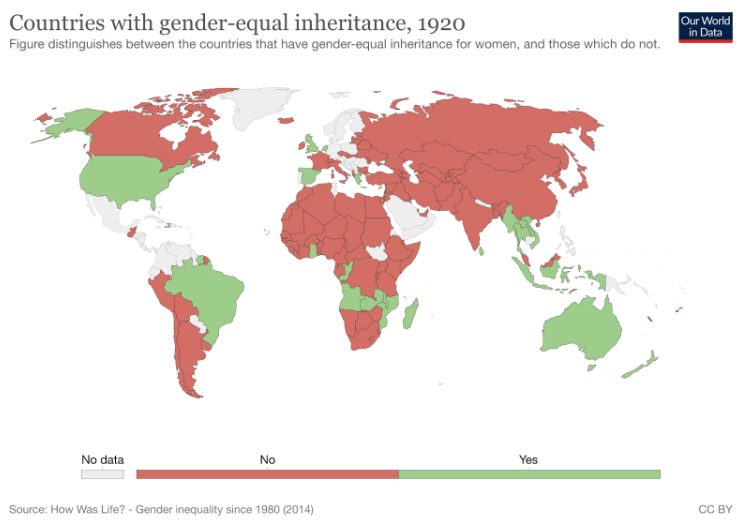
Historically, inheritance issues have posed significant challenges for women in many Arab societies. In some cultures, it was considered unacceptable for a woman to receive an equal share of inheritance as a man. However, the social and economic changes that the region has witnessed in recent years have led to a reevaluation of these practices.
Currently, there are increasing calls to amend inheritance laws to make them fairer. Feminist campaigns have contributed to raising awareness about women's rights in inheritance, leading to positive changes in some countries.
Impact & Consequences
Allowing the writing of inheritance entirely for daughters could have positive effects on society as a whole. In addition to enhancing women's rights, it could help improve the economic situation of families, as women can benefit from inheritance to elevate their living standards.
Moreover, this trend may encourage a shift in the traditional view of women's roles in society, enhancing their status and providing them with opportunities for active participation in economic life.
Regional Significance
This issue is particularly significant in the Arab region, where many women face discrimination in inheritance matters. Strengthening women's rights in this area could have positive implications for social and economic stability in Arab countries.
Additionally, this trend may help strengthen family relations, as it could lead to a reduction in disputes and conflicts over inheritance issues, thereby enhancing social cohesion.
In conclusion, the fatwa official's statements regarding the permissibility of writing inheritance entirely for daughters represent an important step towards achieving justice and equality in Arab societies. Promoting women's rights in inheritance is not only a legitimate right but also a necessity for achieving sustainable development in the region.