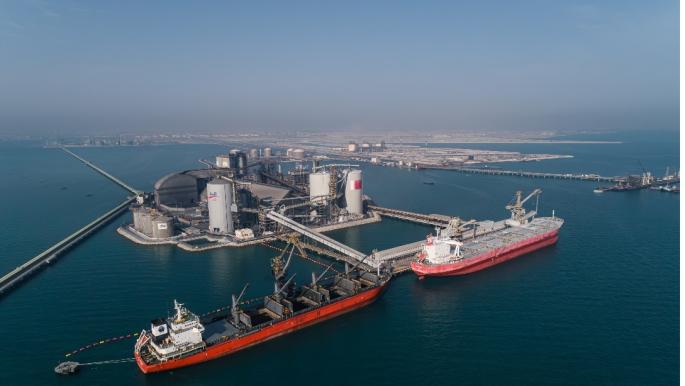
Aluminum prices have seen a significant increase of 6%, following a series of attacks targeting aluminum factories in the region. These attacks have led to supply chain disruptions, significantly impacting the global aluminum market.
This price increase is a direct result of the imbalances that occurred in production and distribution, as aluminum is a key material used in various industries, including construction, transportation, and packaging. With the growing global demand for this material, any disruption in production can lead to a substantial rise in prices.
Details of the Incident
The attacks on the factories occurred at a sensitive time, as markets were already experiencing pressures due to geopolitical tensions and economic crises. Reports have indicated that these attacks caused some production lines to halt, exacerbating the supply shortage in the market.
Some reports predict that prices will continue to rise in the coming weeks, as the impact of these attacks may last for an extended period. Additionally, manufacturers are facing further challenges in securing the raw materials needed for production, which increases the pressure on prices.
Background & Context
Historically, aluminum markets have experienced significant fluctuations due to political and economic crises. For instance, in 2021, aluminum prices rose sharply due to supply shortages resulting from supply chain restrictions caused by the COVID-19 pandemic. As tensions in the region persist, aluminum prices may face additional pressures.
The region is a major source of aluminum, with many countries investing in the development of aluminum industries to boost their economies. However, attacks on factories could lead to a decline in these investments and negatively impact economic growth.
Impact & Consequences
The ongoing rise in aluminum prices could significantly affect industries that rely on this material. For instance, construction companies may be forced to raise their service prices, which could lead to increased housing and construction project costs.
Moreover, the price increase may directly affect consumers, as this rise will be reflected in the costs of final products. This could lead to greater inflation in the markets, increasing the financial burden on households.
Regional Significance
Arab countries are among the largest aluminum producers in the world, making them susceptible to the effects of this price increase. Attacks on factories may lead to a decline in investments in this sector, which would impact economic growth in the region.
Furthermore, rising aluminum prices may affect trade between Arab countries and others, as many nations rely on aluminum imports to meet their industrial needs. Consequently, this increase could lead to changes in regional market dynamics.
In conclusion, the future of aluminum prices remains uncertain, as it depends on developments in the security and economic situation in the region. With ongoing pressures on supply chains, aluminum prices may witness further increases in the near future.