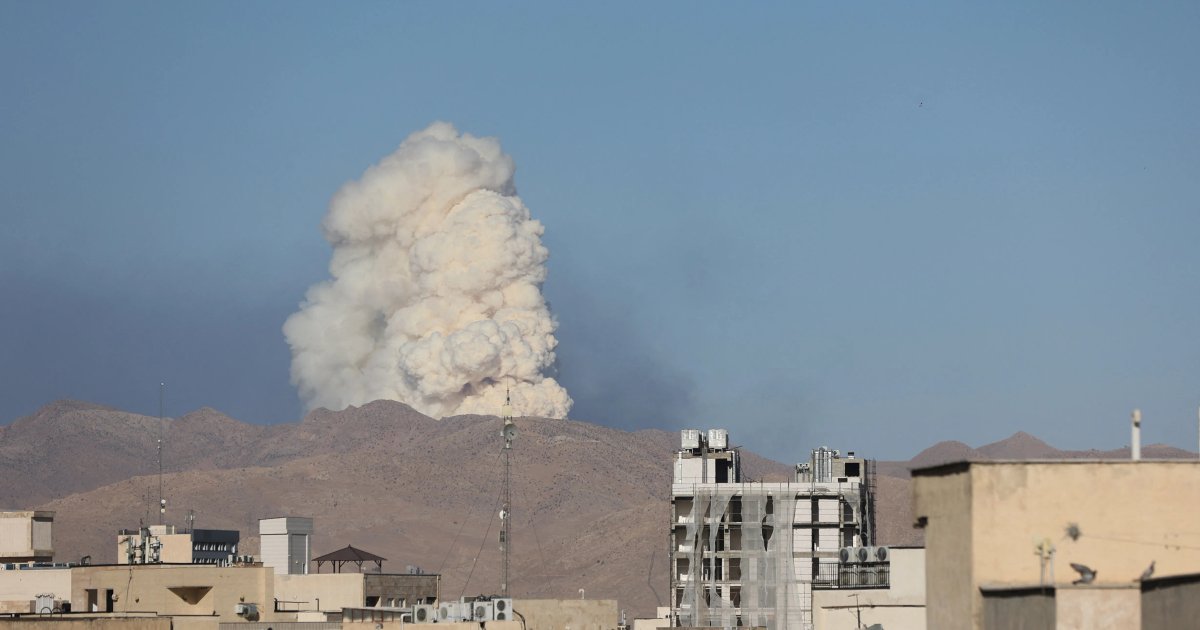
Aluminum prices have surged by 6% after Iranian attacks on two production facilities in the Gulf region, raising fears of exacerbated supply disruptions. The attacks, which occurred in both the United Arab Emirates and Bahrain, come at a sensitive time as this region represents a large share of global aluminum production.
The Iranian attacks targeted vital facilities, leading to increased anxiety among investors and analysts regarding the future of supply in the market. The markets reacted swiftly, with prices jumping in global metal exchanges, reflecting concerns about the impact of these events on supply.
Details of the Incident
The Iranian attacks targeted two major facilities, resulting in the destruction of part of the production capacity. These attacks are not the first of their kind, as the region has witnessed escalating tensions in recent years. Reports have confirmed that the attacks were a response to heightened political tensions between Iran and Gulf states, complicating the regional landscape.
Iran is considered one of the countries seeking to enhance its influence in the region, and the attacks on industrial facilities represent part of its strategy to pressure neighboring countries. The markets showed rapid reactions, with prices soaring in global metal exchanges, reflecting fears of the impact of these events on supply.
Background & Context
Over the years, the Gulf region has experienced increasing tensions due to political and military conflicts. Iran plays a key role in these dynamics, as it seeks to expand its influence in the region. The recent attacks come amid rising tensions between Iran and Gulf states, particularly with escalating disputes over Iran's nuclear program and Tehran's interventions in the internal affairs of neighboring countries.
In recent years, aluminum prices have experienced significant fluctuations due to geopolitical tensions. The Gulf region is one of the most important aluminum-producing areas, contributing significantly to the global market. Therefore, any disruptions in this region directly affect global prices.
Impact & Consequences
The repercussions of the Iranian attacks on production facilities could be far-reaching. The rise in aluminum prices may lead to increased production costs in various industries, including construction, automotive, and aviation. Additionally, the price hikes could impact consumers, raising the costs of final products.
Moreover, these events could lead to increased political tensions in the region, which may negatively affect foreign investments. Companies relying on supplies from this region may reassess their strategies, potentially leading to changes in global supply chains.
Regional Significance
For Arab countries, these events represent a significant challenge. Many countries rely on aluminum imports, and any price increase could impact national economies. Additionally, political tensions may lead to instability in markets, increasing risks for investments.
At the same time, some Arab countries may seek to boost their domestic aluminum production to reduce reliance on imports. This could lead to increased investments in the industrial sector, contributing to the strengthening of the local economy.
In light of these circumstances, the question remains about how these events will affect global and regional markets. It is clear that tensions in the Gulf region will continue to cast a shadow over prices and supplies, necessitating proactive measures from Arab countries to address these challenges.