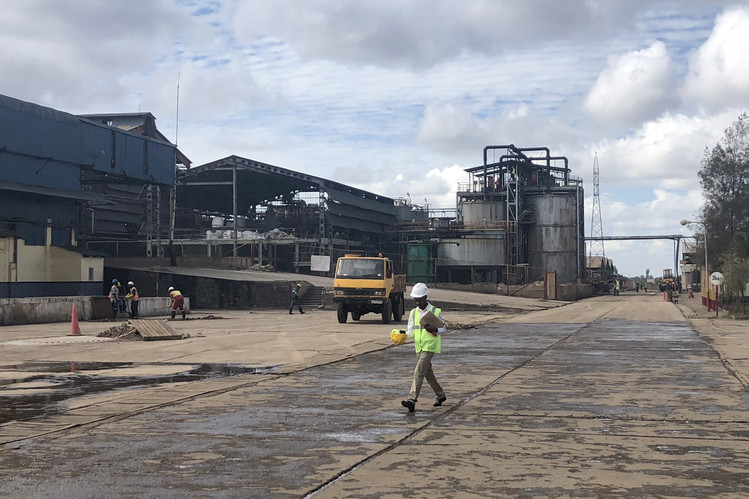
The Trump administration announced the acquisition of the Congolese company Chemif by an American firm in a deal valued at $700 million. This step is part of Washington's efforts to strengthen its influence in the rare minerals sector, especially copper and cobalt, in response to China's expansion in this field.
This deal is considered one of the largest transactions in the mining sector in the Democratic Republic of the Congo, where the country possesses vast reserves of essential minerals that are vital for modern technology industries, including electric batteries.
Details of the Acquisition
The American company acquired Chemif, which is one of the leading companies in the mineral extraction sector in Congo. This acquisition comes at a time when global markets are witnessing an increase in demand for cobalt and copper, particularly with the shift towards clean energy and green technology.
The Congo is the largest producer of cobalt in the world, accounting for approximately 70% of global production. This makes it a major attraction for foreign investments, especially from the United States, which seeks to reduce its dependence on China in this sector.
Background & Context
In recent years, there has been increasing competition between the United States and China in the field of rare minerals. China aims to enhance its control over global supply chains, while the United States is trying to regain some of its influence through strategic investments in resource-rich countries.
The Democratic Republic of the Congo is one of the richest countries in terms of natural resources, but its political and economic history faces challenges, including corruption and armed conflicts. However, foreign investments, such as this deal, could contribute to improving the economic situation in the country.
Impact & Consequences
This acquisition could strengthen economic relations between the United States and the Congo, potentially opening doors for further investments in the future. Additionally, this acquisition may help improve economic conditions in the Congo by creating job opportunities and increasing government revenues.
However, these investments must be approached with caution, as there are concerns that they could exacerbate corruption or exploit resources without real benefits for local populations. Therefore, it is crucial for foreign companies to adhere to transparency standards and ethical practices in their operations.
Regional Significance
Rare minerals, such as cobalt and copper, are essential for the development of modern technology, including renewable energy. Thus, any movement in this sector could impact Arab markets, which are also striving to develop clean energy technologies.
Moreover, this deal may open the door for Arab countries to benefit from American expertise in mining, enhancing their capabilities to better exploit their natural resources.
The acquisition of the Congolese company Chemif by an American firm reflects a strategic shift in U.S. policy towards natural resources in Africa. As global interest in rare minerals increases, the question remains about how these movements will affect the global and regional economy.