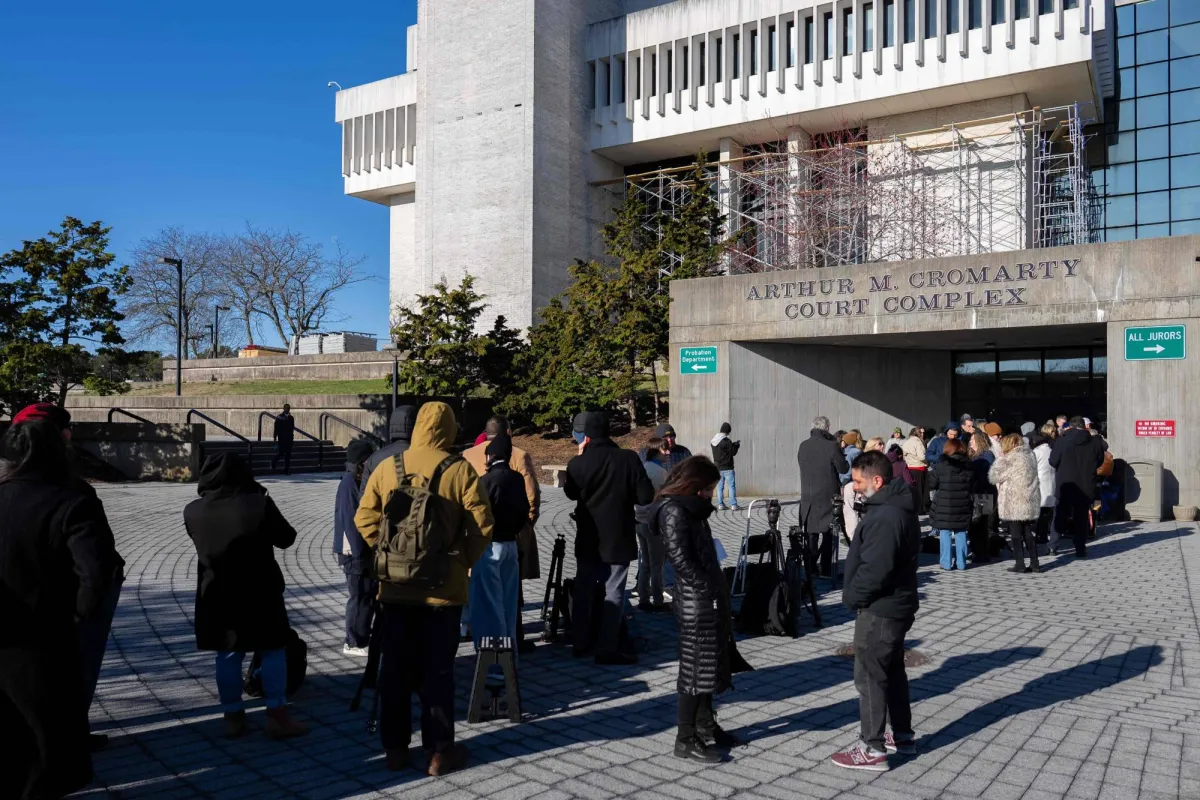
An architect from Long Island, New York, confessed on Wednesday to committing murder against eight women, in a shocking admission before a courtroom filled with journalists and relatives of the victims. This confession follows years of intricate investigations into the murders known as the "Gilgo Beach" cases.
During the court session, some relatives of the victims broke down in tears as they listened to the details of the crimes recounted by the accused, Rex Heuermann, aged 62. His confessions marked the conclusion of a case that has sparked widespread curiosity about the crimes he committed, which have burdened investigators and deeply affected the families of the victims.
Details of the Crimes
Heuermann admitted to strangling the women, most of whom were sex workers, over a span of 17 years, burying their bodies in remote locations, including along an isolated coastal highway near his home. These crimes raised alarm in the local community, as many women were reported missing without a trace.
Local authorities confirmed that investigations into these crimes were complex, taking years before investigators could identify the perpetrator. Heuermann was arrested after being linked to the crimes through forensic evidence, leading to his shocking confession.
Background & Context
The details of these crimes date back to the early 2000s, when numerous women disappeared in the Gilgo Beach area, raising widespread concern about the safety of women in the region. Special investigative teams were formed to search for the victims, but for a long time, their efforts were in vain.
This case is considered one of the most controversial in American crime history, highlighting issues of violence against women, particularly those involved in sex work, and the urgent need to enhance security measures to protect them.
Impact & Consequences
Heuermann is expected to face a life sentence, raising questions about justice for the victims and their families. This case may contribute to increased awareness of violence against women and urge the community to take more effective actions to protect vulnerable groups.
Moreover, Heuermann's confessions could open the door to further investigations into similar cases, potentially aiding in the resolution of other unsolved cases.
Regional Significance
Although this case pertains to the United States, it raises global issues related to violence against women, which many communities around the world, including Arab countries, suffer from. This case could serve as a catalyst for Arab communities to strengthen laws protecting women and provide necessary support for them.
In conclusion, Heuermann's confessions represent a turning point in a case that has generated much controversy, underscoring the urgent need for more efforts to protect women from violence and abuse.