Moroccan Prince Hicham Alaoui revealed in an article published by the French newspaper Oryx 21 that the American-Israeli war against Iran represents a significant turning point in the regional system, clearly reshaping the Middle East. Alaoui notes that this war reflects increasing Israeli dominance and a rising Iranian hardline stance, coupled with a decline in the reliability of American policy in the region.
In his article, Alaoui highlights how the American military operations against Iran, which he described as "anger," have resulted in radical changes in regional balances. He considers this war not merely a military conflict but a struggle for influence and control in a region that has suffered from instability for decades.
Details of the Event
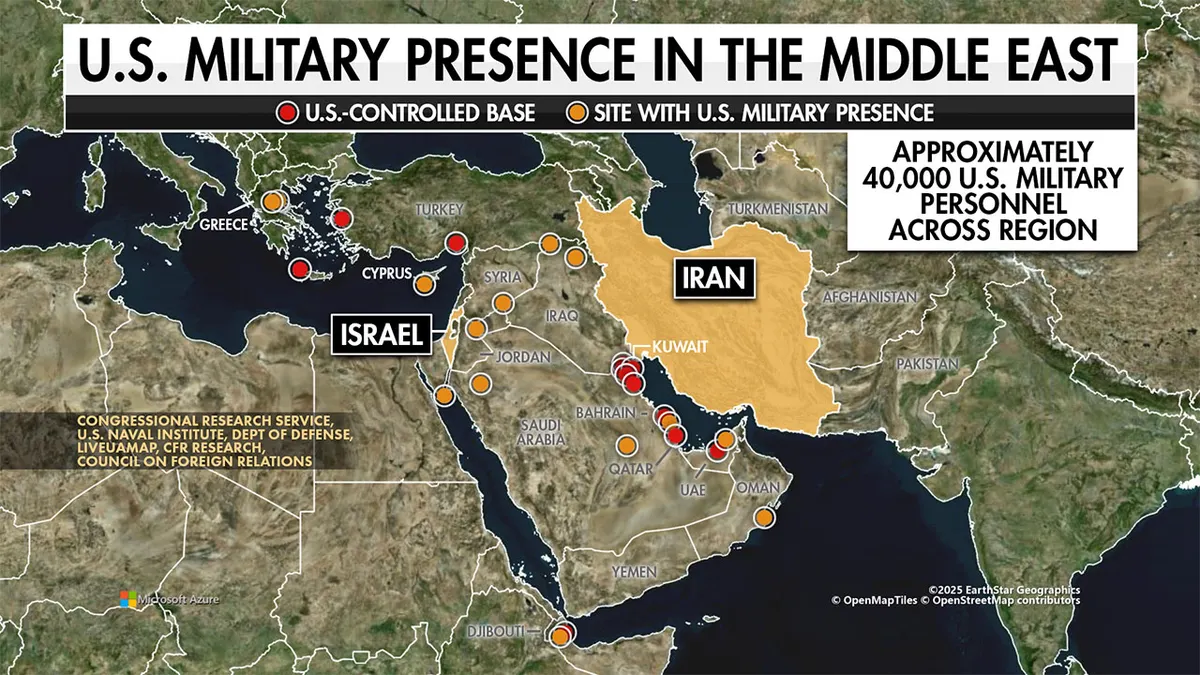
These developments coincide with escalating tensions between Iran and the United States, as the latter seeks to bolster its military presence in the region to counter Iranian threats. Simultaneously, Israel continues its military operations against Iranian targets in Syria, intensifying the conflict and reinforcing its position as a dominant power in the Middle East.
Prince Hicham Alaoui draws attention to how these new dynamics put an end to the old regional system, which relied on a balance of power among the major states in the region. He emphasizes that the lack of trust in American policy could enhance Iran's position, which seeks to expand its influence in Iraq, Syria, and Lebanon.
Context and Background
Historically, the Middle East has witnessed numerous conflicts that have led to radical changes in power balances. Since the American invasion of Iraq in 2003, new features of the regional system have begun to take shape, with Iranian influence increasing in the area. As tensions between Tehran and Washington escalate, the conflict between them has become more apparent, leading to a division among Arab states between supporters and opponents of American policies.
In recent years, relations between Arab states and Israel have undergone significant transformations, especially following normalization agreements signed by some Arab countries with Israel. These transformations reflect a shift in regional strategies, as some states seek to confront the Iranian threat by strengthening relations with Israel.
Impacts and Consequences
Analyses predict that this war will lead to radical changes in regional alliances. With increasing Israeli dominance, Arab states may find themselves compelled to reassess their relationships with Tehran. Additionally, the lack of trust in American policy may drive some countries to seek new partnerships with other powers such as Russia and China.
The military escalation could also exacerbate humanitarian conditions in the region, particularly in Iraq and Syria, where populations suffer from the effects of ongoing wars. Alaoui points out that these conditions could lead to new waves of displacement and migration, increasing the burdens on neighboring countries.
Impact on the Arab Region
The current situation poses a significant challenge for Arab states, which must take clear positions regarding the increasing conflicts in the region. While some countries seek to strengthen their relations with Israel, others remain defensive in the face of Iranian threats. This division could exacerbate internal crises and heighten tensions among Arab states.
In conclusion, it appears that the American-Israeli war against Iran will reshape the contours of the Middle East, with increasing Israeli dominance and Iranian hardline positions, placing Arab states before new challenges that require integrated strategies to address.