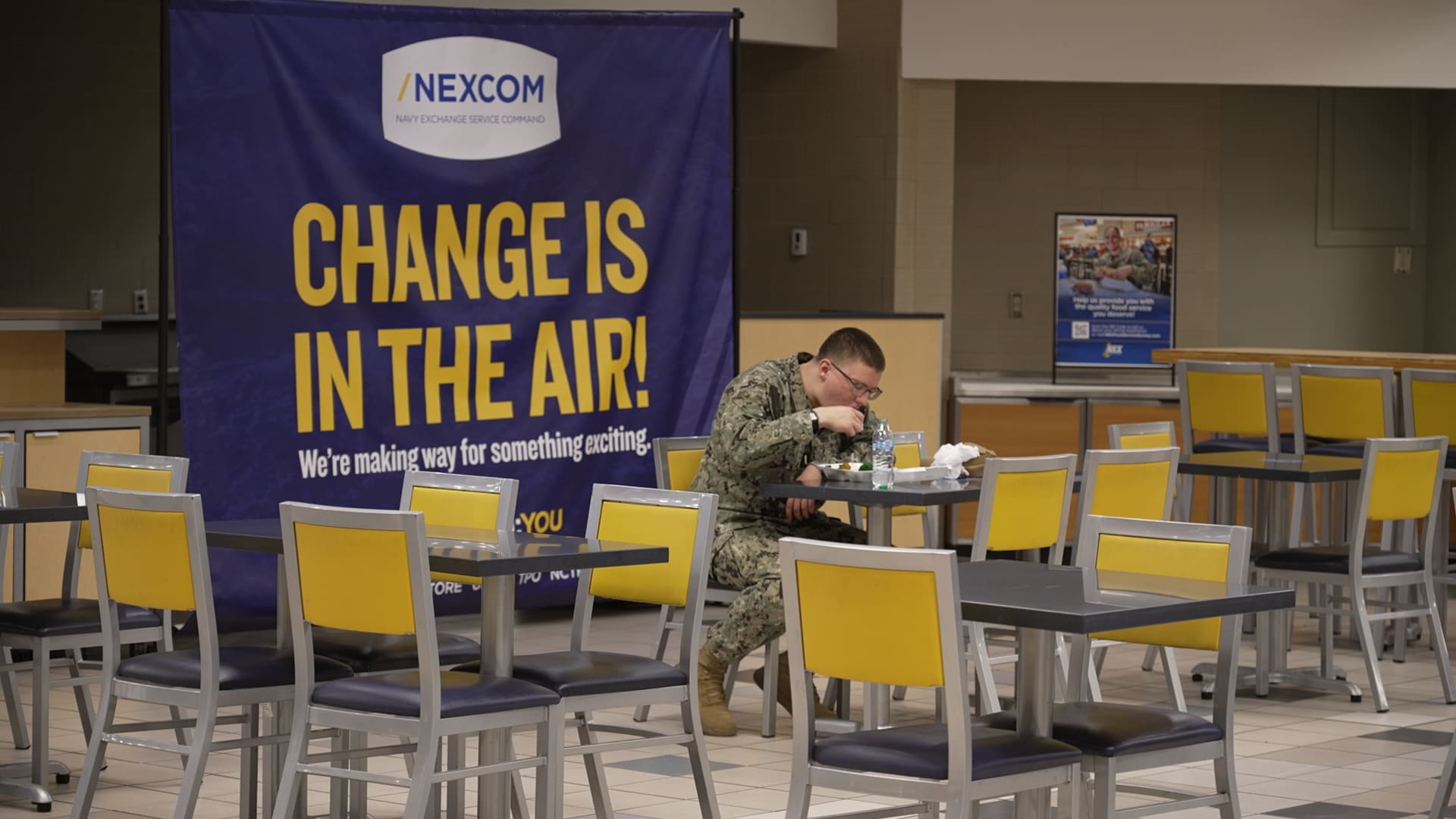
American Navy stores, known as Nexcom, are facing significant challenges in maintaining their market share amidst fierce competition from retail giants such as Walmart and Amazon. Although these stores provide sailors and their families with a range of products at discounted prices, declining sales over recent years threaten the sustainability of these services.
At the Redzikowo base in northern Poland, around 150 American sailors have access to the Navy Exchange Mini Mart, which offers them a variety of familiar products. However, like many other stores operated by the Navy, this outlet is not generating significant profits, raising concerns about its viability.
Details of the Situation
American Navy stores are a crucial part of the support system for sailors, as the profits generated by these stores fund welfare and recreational programs. However, Nexcom has seen a 19% decline in sales between 2012 and 2024, reflecting a loss of market share amid overall retail growth.
Robert Bianchi, the CEO of Nexcom, points out that the challenge lies in maintaining customer loyalty, as sailors and their families can easily turn to stores like Walmart or Amazon. Therefore, an ambitious plan has been launched to restructure the stores and enhance the shopping experience.
Background & Context
Nexcom was established in the 19th century and provides services to sailors and their families by offering products at reduced prices and various services. These services include childcare facilities, fitness clubs, and community events, which strengthen social ties among military community members.
Despite the importance of these stores, the decline in sales indicates a need to adapt to changes in consumer behavior, especially with the increasing reliance on online shopping.
Impact & Consequences
If Nexcom's sales continue to decline, it could negatively impact the programs that support sailors and their families. This is concerning, as it could lead to a reduction in available services, adversely affecting the morale of sailors.
Nexcom is currently seeking to improve its stores by investing $80 million in restructuring projects, reflecting its commitment to enhancing the shopping experience. However, challenges remain, particularly with strong competition from major retailers.
Regional Significance
This situation highlights the importance of innovation and adaptation in the retail environment, a lesson that can be applied in Arab markets. With the increasing reliance on e-commerce in the region, Arab companies must consider how to improve their services and customer experiences.
Ultimately, maintaining customer loyalty amidst fierce competition requires innovative and flexible strategies, which all companies, including those operating in the Arab market, should strive for.