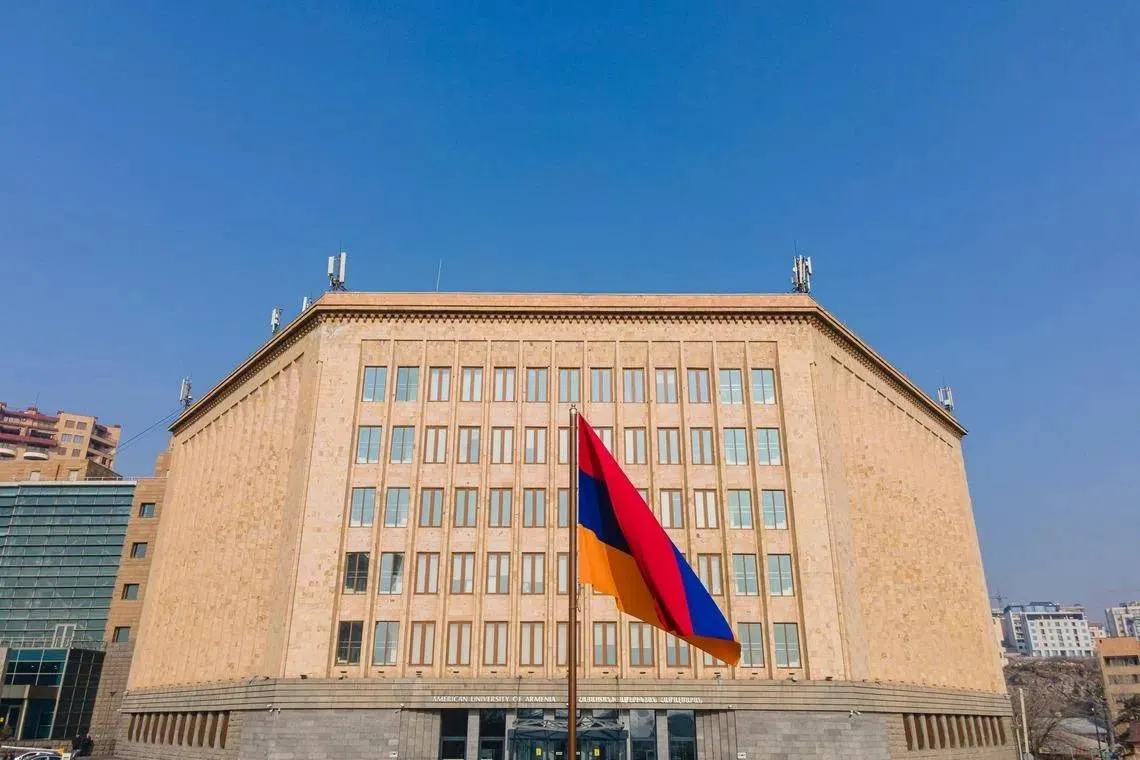
The American University in Armenia announced on Monday its transition to remote learning following Iranian threats to target American universities in Western Asia. This decision is a precautionary measure, as the university has not received any direct threats, but it emphasized the importance of the safety of students and staff.
In an official statement, the university clarified that all classes will move to online education starting March 30. This decision came after Iran issued warnings regarding the targeting of American universities, following reports that American-Israeli strikes had led to the destruction of two universities in Iran.
Details of the Incident
As tensions between the United States and Iran escalate, the Iranian Revolutionary Guard stated in a statement that if the U.S. government wishes to avoid retaliatory actions against American universities, it must condemn the strikes that targeted Iranian universities. The Revolutionary Guard also advised staff, professors, and students of American universities in the region to stay at least one kilometer away from universities that may be targeted.
In a related context, the American University of Beirut announced its full transition to remote learning on Monday and Tuesday, while the American University in Madaba, Jordan, located about 35 kilometers from the capital Amman, confirmed that classes would be held online until Thursday.
Context and Background
These developments come at a time when the Middle East is experiencing heightened geopolitical tensions, with regional crises overlapping with issues of education and security. Wars and conflicts in the region have impacted many sectors, including education, prompting universities to take precautionary measures to protect their students and faculty.
Historically, the region has witnessed numerous events that have led to deteriorating security conditions, affecting educational institutions. In the current context, Iranian threats appear to reflect an escalation in the ongoing conflict, raising concerns about the safety of students and staff at American universities.
Consequences and Impact
The ramifications of this decision extend beyond the American University in Armenia, reflecting a growing sense of concern among educational institutions in the region. With the increase in threats, more universities may take similar steps, impacting higher education in the region as a whole.
Moreover, the shift to remote learning may affect the quality of education and interaction between students and professors, raising questions about how to maintain educational standards under these circumstances. These measures may also lead to increased psychological pressure on students, who may feel unsafe in their educational environments.
Impact on the Arab Region
In light of these conditions, the influence of regional tensions on education in Arab countries becomes evident. Universities in neighboring countries, such as Lebanon and Jordan, may be affected by the repercussions of these threats, potentially prompting them to take similar precautionary measures.
This situation highlights the need to enhance cooperation among universities in the region to address security challenges and ensure the continuity of education during crises. Education is one of the fundamental pillars for building societies and must remain fortified against the negative impacts of conflicts.
In conclusion, these events underscore the importance of fostering dialogue and understanding among countries in the region and working towards peaceful solutions to conflicts to ensure a safe and stable future for education and future generations.