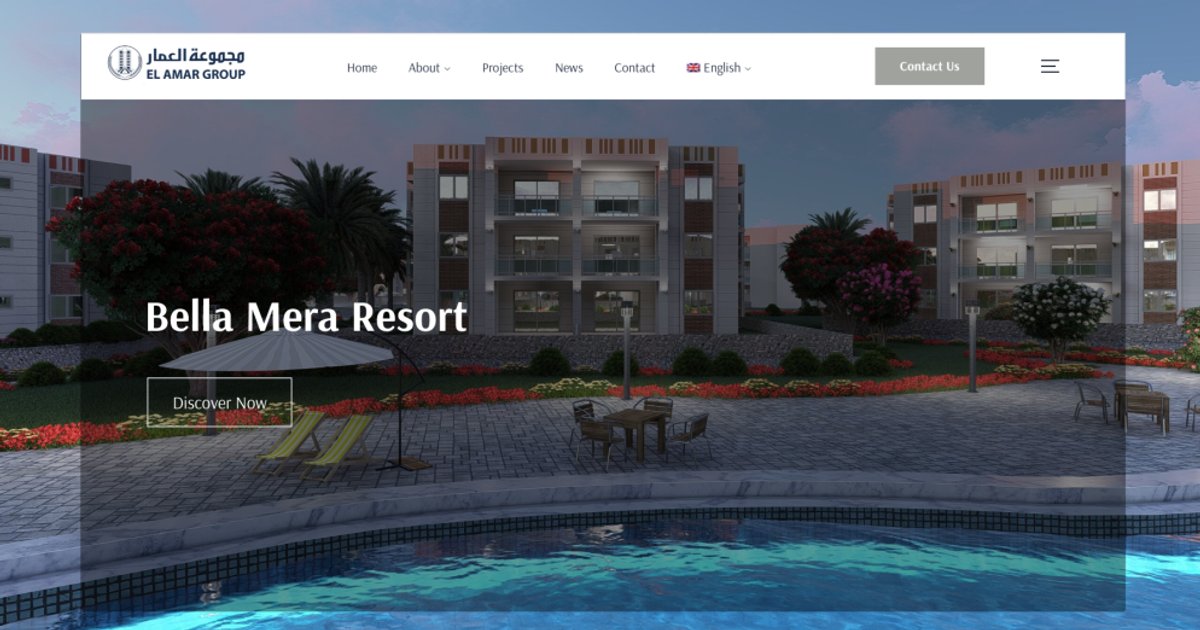
Amir Group, a leading company in the real estate investment sector, has announced that it is in the process of studying the restructuring of the ownership of one of its subsidiaries. This initiative is part of the company's efforts to enhance performance efficiency and improve financial results, reflecting the strategic direction it aims to achieve in light of current economic challenges.
Through this step, Amir Group aims to reassess its ownership structure to maximize the benefits from available resources. This restructuring is expected to contribute to improving the operational performance of the company, thereby enhancing its competitiveness in the real estate market.
Event Details
Restructuring ownership is a strategic step that involves a comprehensive review of current operations and identifying areas for improvement. The company has confirmed that it will evaluate all available options to ensure the achievement of its desired objectives. Additionally, it will engage all stakeholders in this process to ensure transparency and efficiency.
This move comes at a time when the real estate market is facing multiple challenges, necessitating companies to take effective measures to ensure their sustainability. It is anticipated that the restructuring will enhance Amir Group's competitiveness in the market.
Background & Context
Founded in 1997, Amir Group has become one of the leading companies in the real estate investment sector in Egypt. The company has witnessed significant growth over the years, having developed numerous major real estate projects. However, the recent economic challenges faced by the country, including inflation and rising raw material prices, have impacted the performance of many companies in the sector.
Through restructuring, Amir Group seeks to adapt to these changes and achieve long-term sustainability. This step aligns with the company's vision to strengthen its market position and attract more investments.
Impact & Consequences
The restructuring of ownership is expected to positively affect Amir Group's financial performance, as it will help improve operational efficiency and reduce costs. Furthermore, this move may enhance investor confidence in the company, potentially leading to increased investments in the future.
Moreover, improving financial performance could contribute to creating new job opportunities, which would have a positive impact on the local economy. This is particularly important given the current economic conditions that require bolstering economic growth.
Regional Significance
Restructuring companies is a common practice in many Arab countries, where firms seek to adapt to economic and environmental changes. Many companies in the region have demonstrated that restructuring can be an effective step toward improving performance and increasing competitiveness.
Arab companies, in general, are striving to enhance their sustainability by taking strategic steps such as restructuring, reflecting the growing awareness of the importance of adapting to rapid market changes.
In conclusion, Amir Group's decision to restructure the ownership of one of its subsidiaries represents a strategic move aimed at improving performance and enhancing competitiveness. This step is expected to yield positive long-term results, reflecting the overall trend toward promoting sustainability in the real estate sector.