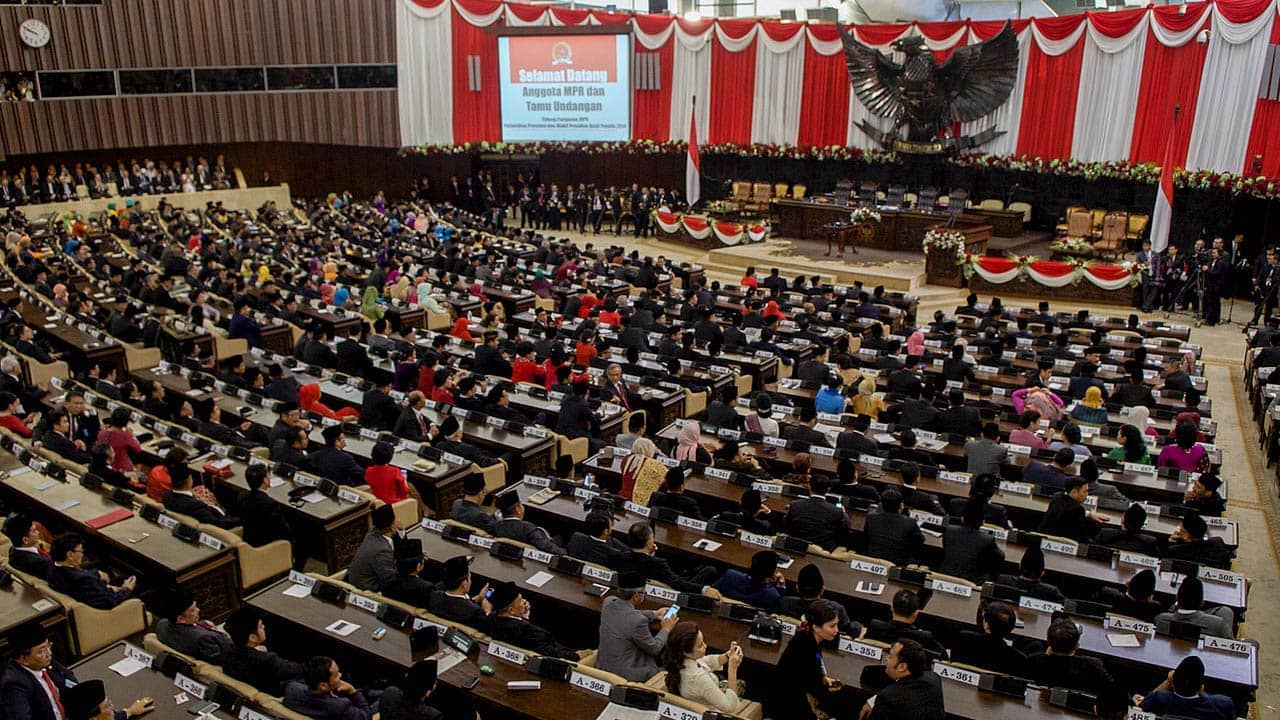
Indonesian photographer Amzal Kristi Situbo arrived at the parliament complex in Jakarta on Thursday, where he attended a meeting with the Indonesian Parliament (DPR) to discuss his highly controversial case. This visit follows Situbo's acquittal by the court, which has positively impacted his professional career after a period of legal tensions.
Situbo, who reached the parliament around 14:00 local time, was accompanied by a group of supporters who stood by him during his legal ordeal. He expressed his immense joy at the acquittal, stating, "I cannot express my happiness; I am very happy." He also mentioned that he left his city of Medan in North Sumatra at 10:00 AM to attend the meeting.
Details of the Event
During his visit to the parliament, Situbo met with the Deputy Chairman of the Parliament, Rano Alfat, who congratulated him on the acquittal ruling. Situbo expressed his gratitude to all those who supported him during this period, highlighting the importance of continued support until all issues related to him are resolved.
In a related context, the Chairman of the Parliament, Habiburrahman, announced plans to summon representatives from the Prosecutor's Office in Karo, North Sumatra, to discuss the issues raised by Situbo's case. He emphasized the need to evaluate the performance of the prosecutor's office in this matter, expressing his dissatisfaction with how the case was handled.
Background & Context
The roots of the case date back to an earlier period when Situbo was accused of legal violations that sparked widespread controversy in Indonesian society. This case affected his professional reputation, prompting many of his colleagues and supporters to stand by him. The acquittal ruling came as a positive step in his career, reflecting the importance of justice in the Indonesian legal system.
Situbo's case serves as an example of the challenges faced by creatives in Indonesia, where legal issues can significantly impact their professional lives. The acquittal ruling has elicited positive reactions from the creative community, which views it as a victory for justice.
Impact & Consequences
This case is a turning point in how the Indonesian legal system deals with issues related to creativity and the arts. The acquittal may encourage more creatives to express their opinions freely without fear of legal repercussions. Additionally, the summoning of the prosecutor's office to discuss the case may lead to improvements in legal performance in the future.
This case is expected to influence how the Indonesian government addresses legal issues related to creativity, potentially leading to changes in policies and laws governing this field. Furthermore, the community support that Situbo received may inspire others to seek justice in their own cases.
Regional Significance
Situbo's case exemplifies the challenges faced by creatives worldwide, including in Arab countries. In many Arab nations, artists and creatives encounter similar legal challenges that hinder freedom of expression and creativity. Situbo's experience can serve as an inspiration for Arab artists seeking justice in their cases.
Ultimately, Situbo's case reflects the importance of justice in society and highlights the need to support creatives in facing legal challenges. Achieving justice can have positive effects on society as a whole, enhancing freedom of expression and creativity.