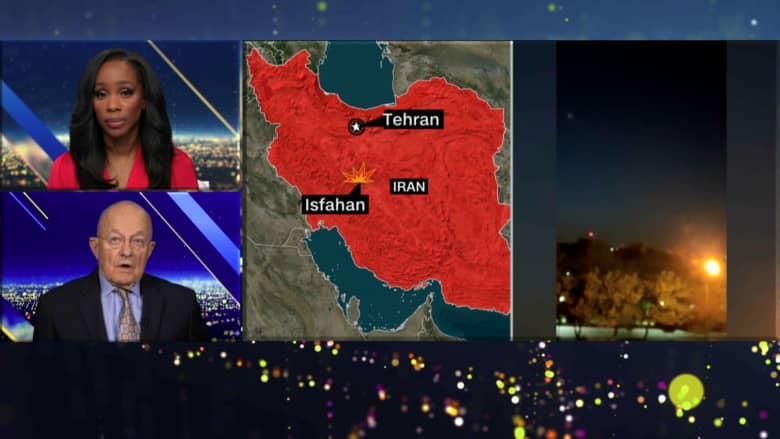
Questions are increasing regarding the possibility of achieving peace in Israel through weakening Iran, as analyses suggest that the roots of the conflict may run deeper. Amid ongoing tensions, it becomes clear that the costs of wars are not only borne by governments but are shouldered by society as a whole, while defense technology companies benefit from these crises.
Economic and social issues intertwine with military dimensions, making it essential to reconsider traditional narratives about the conflict in the region. True peace requires addressing internal issues such as poverty and discrimination, rather than relying on external military strategies.
Details of the Event
In an article published by The Guardian, the author highlights how major narratives related to the conflict in the Middle East are being reshaped. The writer questions whether weakening Iran is enough to achieve peace in Israel, or if solutions must come from within Israeli society itself.
There is increasing pressure on the Israeli government to provide effective solutions to the conflict, at a time when voices calling for social and economic change are rising. While attention is directed towards Iran, the question remains: who pays the price for these wars?
Background & Context
Historically, wars in the Middle East have significantly impacted local communities, causing infrastructure destruction and rising poverty rates. With the rise of defense technology companies, it has become clear that some benefit from these crises, complicating the situation further.
In recent years, Israel has witnessed significant changes in its defense policy, focusing on developing new technologies to counter threats. However, the question remains whether these strategies will lead to the desired peace or complicate matters further.
Impact & Consequences
The continuation of the conflict and its impact on Israeli society may exacerbate social and economic crises. As gaps between social classes widen, many feel marginalized amid the rapid changes occurring in the world.
The debate surrounding these issues raises critical questions about the future of Israeli society and the potential for lasting peace. Without addressing the underlying social and economic disparities, the cycle of conflict may persist.
Regional Significance
The implications of the Israeli conflict extend beyond its borders, influencing regional stability and international relations. The dynamics of power in the Middle East are shifting, and how Israel addresses its internal challenges will have repercussions on its relationships with neighboring countries.
In conclusion, while external factors like Iran play a role in the conflict, the path to peace in Israel may ultimately depend on addressing the internal issues that fuel division and strife within society.