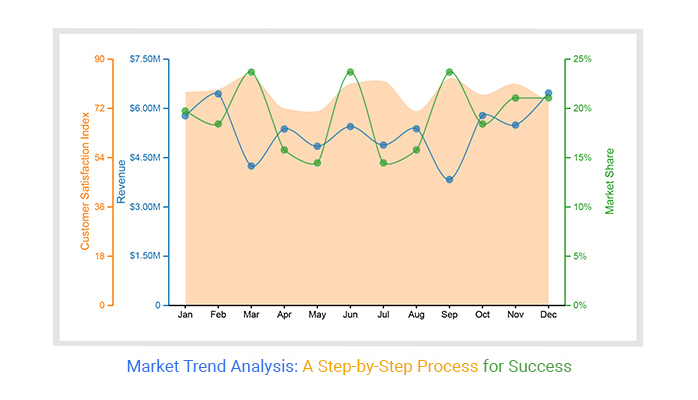
Global markets are experiencing new balances that require careful analysis to understand their implications. In changing circumstances, tracking economic trends and their effects on local and international markets is increasingly important.
Markets are influenced by several factors, including political changes, technological developments, and climate changes. These factors play a pivotal role in shaping market balances, necessitating that investors and economic analysts study these changes carefully.
Details of Recent Events
Recently, economic reports have noted significant changes in commodity prices, with oil prices rising markedly due to geopolitical tensions in certain regions. Additionally, global economic crises have affected the balance of supply and demand, leading to fluctuations in financial markets.
Moreover, rapid technological transformations, such as the increasing reliance on artificial intelligence, contribute to reshaping labor markets and changing traditional business models. These changes require companies to quickly adapt to the new economic environment to ensure the continuity of their operations.
Background & Context
Historically, global markets have witnessed numerous changes that have impacted their balances. For example, previous financial crises, such as the global financial crisis in 2008, led to radical changes in economic policies. Today, it seems that the world is facing new challenges that require innovative strategies to adapt to changing conditions.
Furthermore, climate changes are playing an increasingly important role in shaping economic policies. Environmental pressures have heightened awareness of the importance of sustainability, prompting many companies to reevaluate their strategies to achieve a balance between profitability and environmental preservation.
Impact & Consequences
The new balances in the markets affect all economic sectors. Some industries, such as renewable energy, have seen significant growth due to the shift towards sustainability. In contrast, traditional industries face major challenges in light of these changes.
Additionally, changes in commodity prices affect inflation, which in turn impacts consumers' purchasing power. This situation requires governments to take appropriate measures to protect the national economy and ensure price stability.
Regional Significance
The Arab region is among the areas most affected by global economic changes. For instance, rising oil prices directly impact the economies of oil-producing countries, while other countries suffer negative effects due to increased import costs.
Moreover, political tensions in some Arab countries may affect foreign investments, complicating the economic landscape further. Therefore, it is essential for Arab countries to adopt comprehensive development strategies that enhance their ability to face economic challenges.
In conclusion, market balances remain a vital topic that requires careful monitoring and ongoing analysis. Understanding these balances can assist investors and decision-makers in making informed choices that promote economic stability and achieve sustainable development.