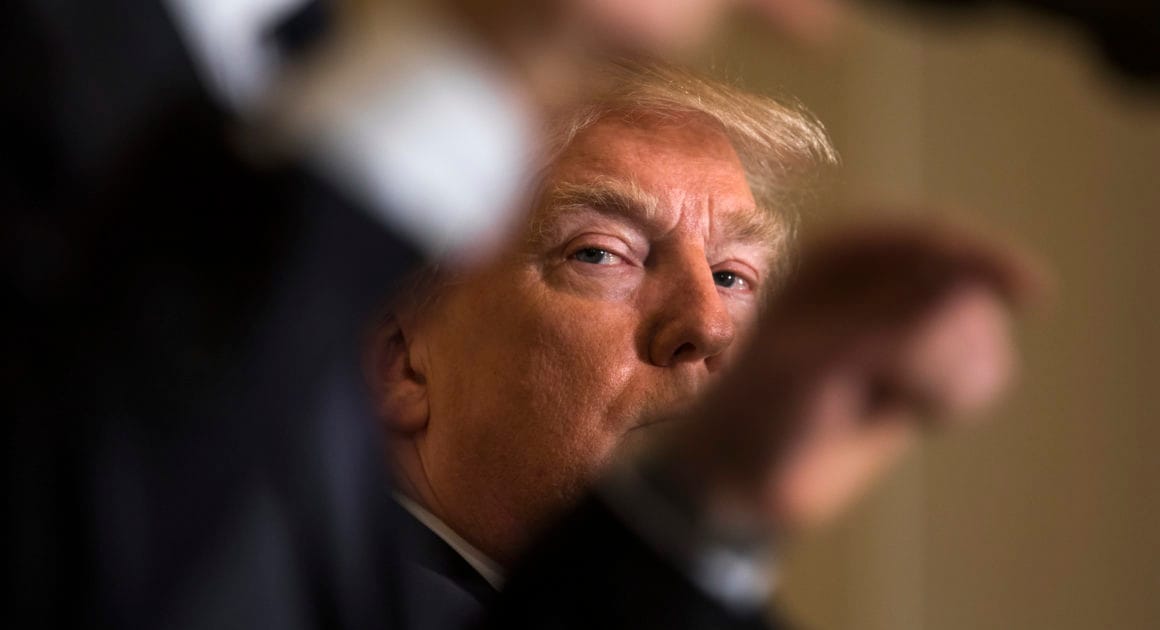
American writer Jason Willick, in his article for the Washington Post, discusses the similarities and differences between U.S. President Donald Trump and Italian philosopher and politician Niccolò Machiavelli. Willick notes that Trump shares with Machiavelli a tendency for boldness and risk-taking, yet he has failed to understand the deeper lesson of the author of 'The Prince': the necessity of preparing for the cycles of time and building safeguards before crises occur.
Willick argues that Trump's problem lies not in his excessive boldness per se, but in his inability to establish protective measures against the consequences of his failed bets, as seen in the war on Iran. Trump exhibits a natural alignment with Machiavelli's famous advice to rulers to be 'more rash than cautious' if they wish to maintain power.
Key Decisions and Actions
Trump's impulsiveness manifested in two major decisions: the war on Iran and the redistricting favoring Republicans before the midterm elections. Willick considers the midterm redistricting an unusual and risky move, as Trump's team believed that Republicans could gain more than Democrats.
In foreign policy, Trump initiated a large-scale military operation against Iran following his previous actions in Venezuela, believing he could achieve a swift victory that would provide him with a strategic and political advantage. However, Willick sees both bets beginning to turn against Trump.
Background & Context
Democrats responded to the redistricting attempt in Texas with an aggressive redrawing of the electoral map in California, while Democrats in Virginia pushed for a similar plan that voters approved. Instead of protecting the Republican majority in the House of Representatives, this move could lead to additional seat losses for the Republican Party.
The war on Iran has produced a nearly identical outcome. Trump expected the war to last only four to six weeks, but after eight weeks, it remains stuck in a fragile ceasefire. The Iranian regime is still intact, and its stockpile of missiles and drones has not been completely destroyed.
Impact & Consequences
The most politically dangerous aspect is that navigation in the Strait of Hormuz remains disrupted, leading to rising prices in America and a decline in Trump's popularity. Here, the writer transitions to Machiavelli's deeper lesson, where luck plays a role in politics, but the wise leader is the one who prepares for setbacks.
Machiavelli compared luck to a dangerous river that can suddenly overflow and sweep everything away. He urges rulers to build 'dams and barriers' so that the flood can be contained when it comes. Here, Trump differs from Machiavelli, as he has not built many dams or barriers to face misfortune but has instead made numerous risky bets.
Regional Significance
These dynamics in American politics have direct implications for the Arab region, where tensions arising from U.S. policies can destabilize several countries. Additionally, military decisions may provoke strong reactions from regional powers.
In conclusion, Willick emphasizes that a successful ruler is one who adapts to changing circumstances rather than relying solely on luck. Boldness and luck have served Trump throughout his political career, but Machiavelli warned against absolute trust in luck alone.