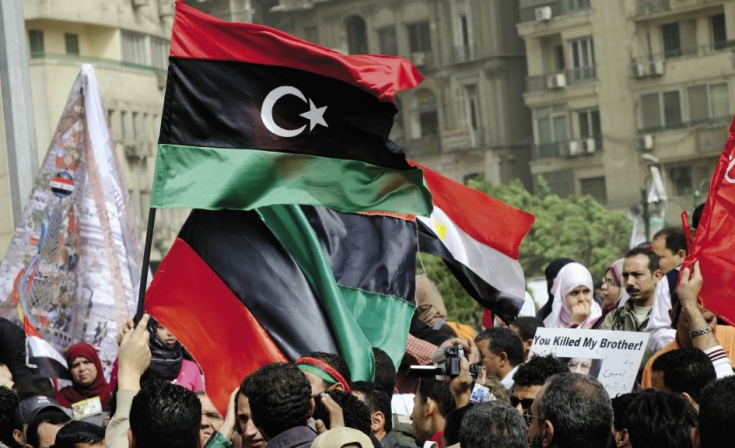
Political positions in the Arab region vary significantly, reflecting the complexities of international relations. This article explores the impact of these positions on regional stability.
Political stances are among the most prominent factors influencing relations between countries. While some nations strive to enhance cooperation, others prefer to adopt more rigid positions. This divergence in stances is reflected in economic and social policies, complicating the regional landscape.
Event Details
The Arab region is witnessing significant political transformations, where national interests intertwine with regional and international agendas. These transformations are influenced by numerous factors, including economic crises and social pressures. Additionally, tensions between major powers play a role in shaping the political positions of Arab states.
For instance, some Arab countries seek to strengthen their ties with major powers, while others prefer independence from these influences. This divergence in strategies reflects differing priorities and national interests.
Background & Context
Historically, the Arab region has been a theater for multiple conflicts, where external interests have intertwined with internal issues. Since the beginning of the 21st century, the region has witnessed radical changes, from the Arab revolutions to ongoing crises in some countries.
These changes require Arab nations to reassess their political positions, especially in light of the economic and social challenges they face. Moreover, climate change and global health crises contribute to the complexity of the political landscape.
Impact & Consequences
These divergences in political positions have direct implications for regional stability. The more intense the disagreements, the higher the likelihood of crises erupting. This situation calls for Arab countries to seek common solutions that enhance stability and reduce tensions.
Furthermore, the divergence in positions may affect economic cooperation among countries. Nations adopting rigid stances may lose opportunities for collaboration with their neighbors, negatively impacting economic development.
Regional Significance
The divergence in political positions poses a significant challenge for Arab states. Regional cooperation is an urgent necessity to address multiple crises. Under these circumstances, Arab nations must work to promote dialogue and understanding.
In conclusion, understanding these political dynamics is essential for achieving stability in the region. This requires Arab leaders to take serious steps towards building relationships based on trust and cooperation.