Over a month since the initiation of the "Iran Support War" launched by Hezbollah with six missiles targeting Israel, questions arise about the success of this support both militarily and politically. The repercussions of this war have turned into a costly burden on the Lebanese interior, with expectations that the party will leverage the war's outcomes in the local balance of power.
While some believe that Hezbollah has succeeded in distracting Israel and opening a pressure front, it has not reached a level of strategic resolution or fundamentally changed the balance of battle. Retired Major General Abdul Rahman Shuhaili stated that Hezbollah remains a winner despite significant losses in its environment, explaining that "Israel has not been able to achieve its primary goal of eliminating the party or ending its capabilities," as the party still exists and retains its weapons.
Details of the Event
Shuhaili added that Iran has benefited from opening the southern front, where Hezbollah's involvement has diverted Israeli military capabilities. The forces that could have been used by Israel as reserves to support the United States in case of military landings in Iran are now occupied in Lebanon, meaning that Lebanon has turned into a parallel pressure arena that alleviates the burden on Iran.
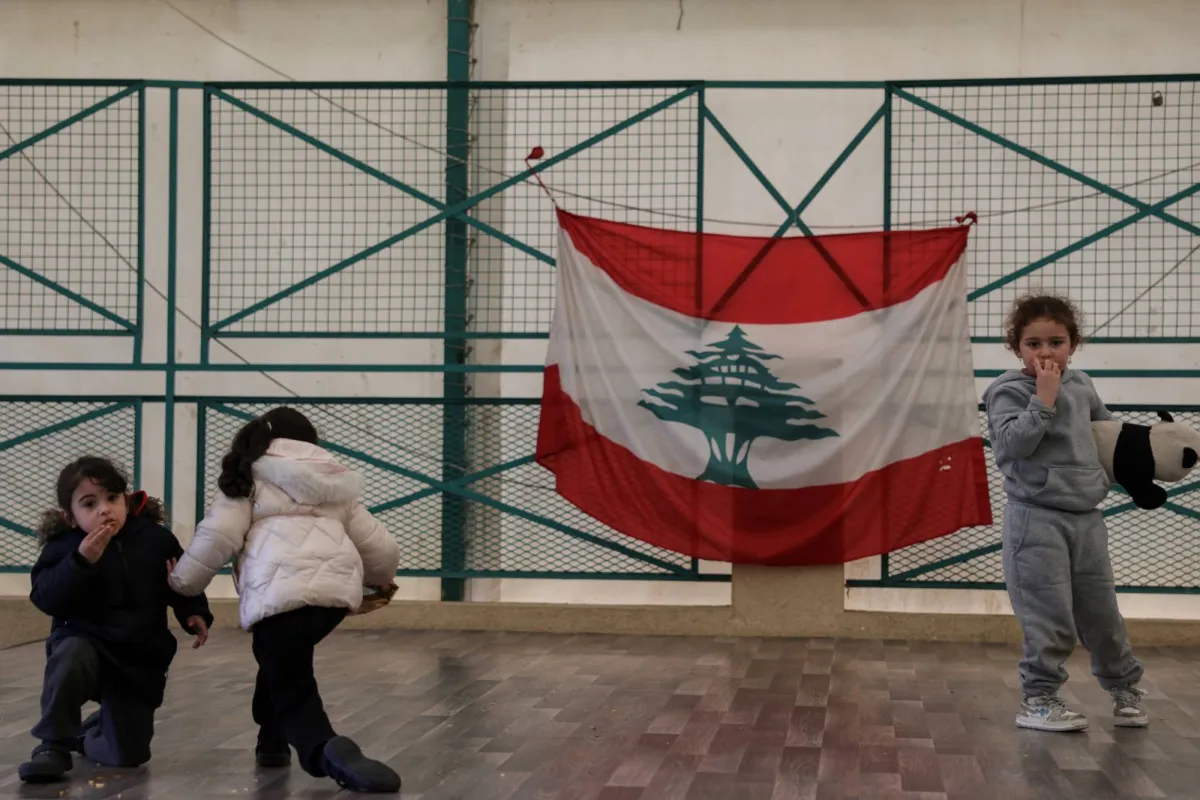
Additionally, the systematic destruction policy carried out by the Israeli army in southern Lebanon has led to the complete erasure of border villages, causing the displacement of over one million people from their homes, according to official figures, especially from Hezbollah's strongholds in the south and the southern suburb of Beirut.
Background & Context
Dr. Imad Salama, head of the Political and International Studies Department at the Lebanese-American University, believes that "the winners and losers in this war cannot be measured solely by direct losses, but by each party's ability to continue." He points out that Iran and Hezbollah have incurred military and structural losses that are difficult to compensate, which could threaten a gradual disintegration of the resistance axis.
Conversely, Israel has made strategic progress in weakening this axis, but it still faces a long and costly war of attrition. Salama confirms that Hezbollah has exhausted its capabilities, which may reflect internally with a decline in its influence and rising tensions, especially with it being held responsible for engaging in an open war.
Impact & Consequences
Salama clarifies that it is very difficult to separate the party from Iran, as they are part of a single ideological and military structure. While the negotiation process has not seriously begun between America and Iran, Shuhaili emphasizes the necessity of separating the Lebanese track from the regional track, considering that "the decision to stop the war on Lebanon today is not in the hands of Hezbollah, but in the hands of Iran."
This linkage between the fronts practically means that negotiations will not be in the hands of the Lebanese state, necessitating that the state manage negotiations and seek a ceasefire that serves Lebanese interests. Any ceasefire without Israeli withdrawal and the return of the displaced will remain merely a truce, not an end to the war.
Regional Significance
If the war continues without a settlement, the biggest loser may be the Lebanese state itself, which faces the risk of complete collapse under the weight of the war with Israel. Ministerial sources confirmed the absence of any indicators for opening negotiations with Israel, which increases anxiety in Lebanon.
Concerns are rising over Hezbollah's attempts to leverage the results of this war internally, necessitating the preservation of internal unity. The hope remains with the rational faction within the Shiite duo, such as Parliament Speaker Nabih Berri, who is believed to not allow this.