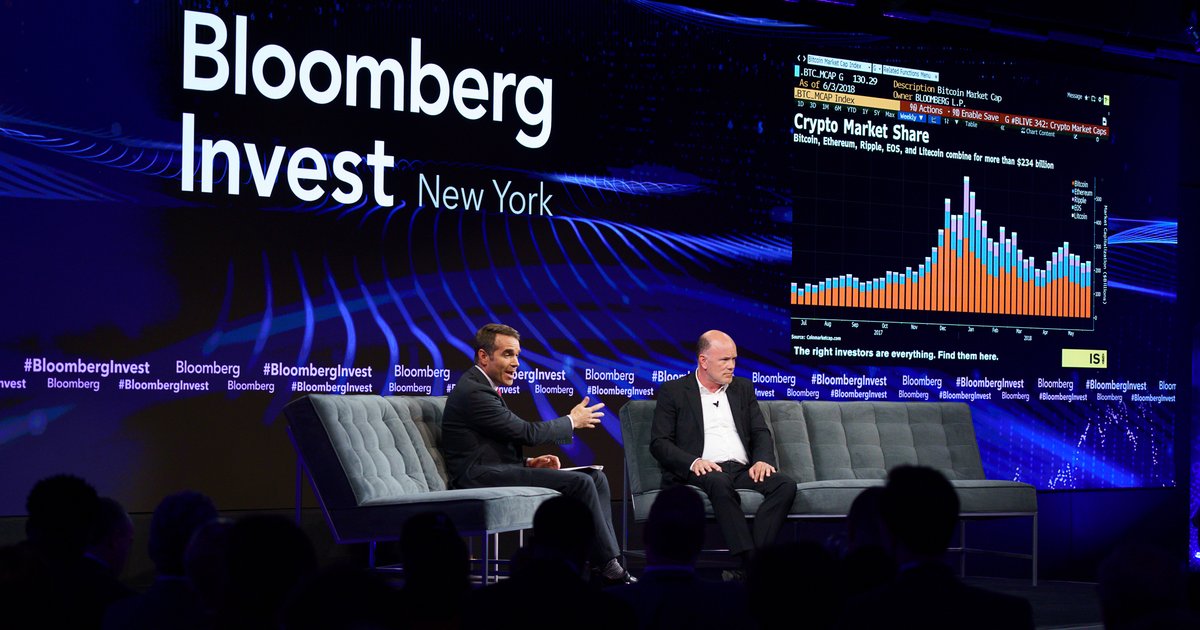
News continues to flow even after market closures, as Bloomberg hosts David Gura, Christina Rufini, and Lisa Mateo provide an in-depth analysis of the weekend's top headlines, live from New York. The program features a number of distinguished guests, including Mark Caputo, Axios political reporter, and retired General Mark Kimmitt, who served as Assistant Secretary of State for Political-Military Affairs under George Bush.
Joining the discussion are John Akonto, CEO of Napster, Cliff Kane, President of Pulsar Helium, and Sebastian Malaby, author of "The Infinite Machine." Additionally, Ken Martin, Chair of the Democratic National Committee, and Ivo Daalder, former U.S. Ambassador to NATO, share insights on current political and economic issues.
Event Details
The program reviews the most significant news that has impacted global markets throughout the week, highlighting influential political events. Information is presented in a clear and simplified manner, making it easier for viewers to understand the complexities surrounding the markets and political decisions. Some lighter topics are also addressed, adding a touch of humor to the serious discussions.
Topics covered in the program include the impact of economic policies on markets, as well as discussions on the challenges faced by the current U.S. administration in the context of foreign policy. Technological innovations in the energy sector and their effects on the global economy were also discussed.
Background & Context
These discussions come at a critical time, as the global economy faces numerous challenges, including inflation and rising energy prices. Markets have experienced significant fluctuations recently, making in-depth analysis of events more important than ever. Historically, the United States has played a pivotal role in shaping global economic policies, directly affecting other nations.
In recent years, we have witnessed a shift in political and economic dynamics, with issues such as climate change and alternative energy at the forefront of global discussions. This situation requires leaders to make tough decisions that will impact the future of the global economy.
Impact & Consequences
Political and economic events in the United States significantly affect global markets, as any changes in U.S. policies can lead to swift reactions in financial markets. For instance, an increase in interest rates could reduce investments, impacting economic growth.
Political tensions, whether domestic or international, can lead to instability in the markets, making continuous analysis of events essential for investors and decision-makers. Understanding these dynamics can aid in making better investment decisions.
Regional Significance
U.S. economic policies directly affect Arab countries, many of which rely on American investments and aid. Given the current circumstances, Arab nations must be prepared to adapt to any changes in U.S. policies, particularly in the areas of energy and trade.
Changes in oil prices resulting from U.S. policies can also impact the economies of oil-producing countries in the region. Therefore, it is crucial for Arab nations to closely monitor these developments and be ready to adjust to any potential changes.
In conclusion, the Bloomberg program serves as an important platform for analyzing global events, bringing together experts and analysts to provide comprehensive insights into current issues. Understanding these dynamics helps enhance viewer awareness and improves their ability to make informed decisions.