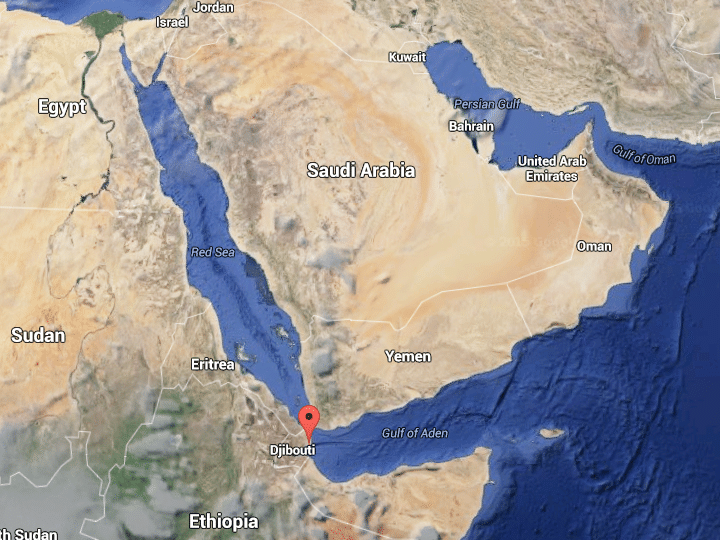
The closure of the Bab el-Mandeb Strait has raised legal questions regarding navigation rights in this vital passage. The strait is a strategic crossing point linking the Red Sea to the Gulf of Aden, witnessing significant shipping traffic that exceeds 10% of global trade. This closure comes at a sensitive time, as regional tensions escalate and concerns grow about its impact on the global economy.
There are multiple legal dimensions related to the closure of the strait, as it is considered an open waterway under international law. However, political and security conditions may affect freedom of navigation. Some legal experts have pointed out that the coastal states bordering the strait have the right to regulate navigation, but they cannot completely close it without clear legal justifications.
Details of the Event
Concerns are rising that the closure of the strait could lead to increased shipping costs and delays in the delivery of goods, negatively impacting the global economy. The strait is a vital transit point for oil and gas, with tankers carrying massive quantities of these resources passing through it. Therefore, any closure could lead to a rise in global energy prices.
In recent years, the region has witnessed increasing tensions, particularly with the escalation of disputes among some coastal states. This has led to international calls for intervention to ensure freedom of navigation in the strait, as many countries consider it a vital route for international trade.
Context and Background
The Bab el-Mandeb Strait is regarded as one of the most important maritime passages in the world, connecting the Red Sea to the Indian Ocean. Historically, the strait has played a crucial role in global trade, serving as a main route for transporting goods between East and West. In recent years, its importance has grown with the increase in shipping and maritime transport.
Numerous challenges face navigation in the strait, including piracy and regional disputes. The area has seen many incidents affecting navigation, prompting the concerned countries to adopt stringent security measures to protect commercial vessels.
Consequences and Impact
The closure of the Bab el-Mandeb Strait could lead to serious economic repercussions, not only for the coastal states but for the global economy as a whole. It is expected that oil and gas prices will rise due to any delays in shipping, which could affect the prices of essential goods in global markets.
Moreover, this closure may heighten political tensions among the coastal states, potentially hindering peace and stability efforts in the region. The strait is a convergence point for the interests of many countries, complicating the existing situation.
Impact on the Arab Region
The Arab region is among the most affected by the closure of the Bab el-Mandeb Strait, as many countries rely on this passage for transporting their exports and imports. The closure could impact trade flows between Arab countries and others, potentially leading to slowed economic growth in some nations.
Under these circumstances, Arab countries must collaborate to ensure freedom of navigation in the strait and work towards diplomatic solutions for the existing tensions. Maintaining stability in this vital passage is essential for ensuring the continuity of trade and development in the region.