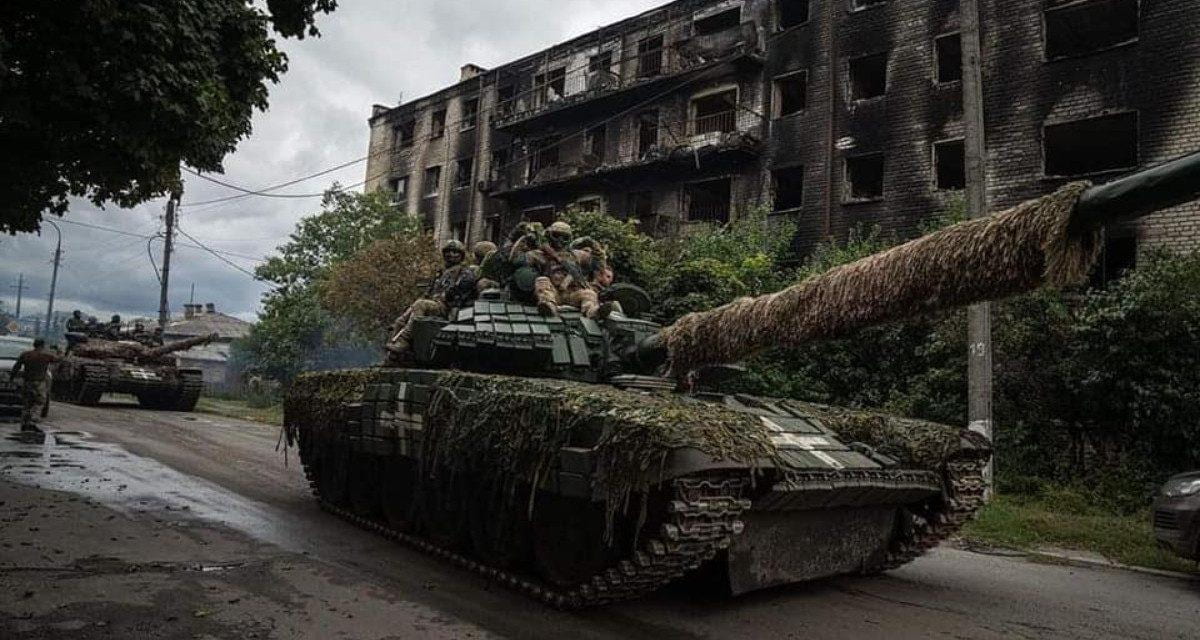
The ongoing war in Ukraine highlights the pitfalls faced by the administrations of Putin and Trump, emphasizing the significance of popular will in confronting challenges. In February 2022, Russian President Vladimir Putin believed he could resolve matters swiftly, but the reality turned out to be entirely different.
Before this date, Ukraine was viewed by Russia as an easy target, considered part of the Russian cultural and political sphere. However, things changed drastically after Russia's invasion of Ukraine, where the Ukrainian resistance demonstrated the strength of national will.
Details of the Event
When Putin launched his military operation, he believed his army would enter Kyiv within a few days, relying on previous experiences in countries like Czechoslovakia. However, the Ukrainian resistance proved stronger than expected, with the percentage of citizens willing to defend their country rising from 15% in 2014 to 90% in 2022.
This shift in the Ukrainian public's stance reflects profound changes in identity and belonging, as the war became a matter of survival and dignity for them. In contrast, Putin's allies recognized the miscalculations in his assessments, leading to significant losses for the Russian army.
Background & Context
The roots of the Ukrainian conflict date back to 2014, when Russia began annexing the Crimea Peninsula. Since then, the Ukrainian perspective on Russia has shifted, with citizens becoming more confident in their independence. This change in public sentiment underscores the importance of national identity in facing external challenges.
Simultaneously, the Trump administration faced similar challenges in the Middle East, where the illusion of quick victory became a trap. Lessons learned from previous wars, such as the conflict in Iraq, highlight the importance of strategic planning and understanding the cultural and political context of targeted communities.
Impact & Consequences
The Ukrainian experience demonstrates that wars cannot be resolved solely through military might; they require a deep understanding of popular will. This lesson may influence the strategies of major powers in the region, necessitating a reevaluation of how to handle conflicts.
Additionally, the situation in Iran reflects similar challenges, as the Iranian regime cannot be easily dismantled. The regime has a popular base that supports it, making any external intervention fraught with risks.
Regional Significance
In the Arab context, these lessons reflect the importance of understanding identity and belonging in facing challenges. Conflicts in the region cannot be resolved through military strength alone; they require comprehensive strategies that consider popular will.
In conclusion, the lessons learned from the Ukrainian war remain vital for understanding future conflicts, as military and political leaders must be aware of the cultural and social factors that influence the outcomes of wars.