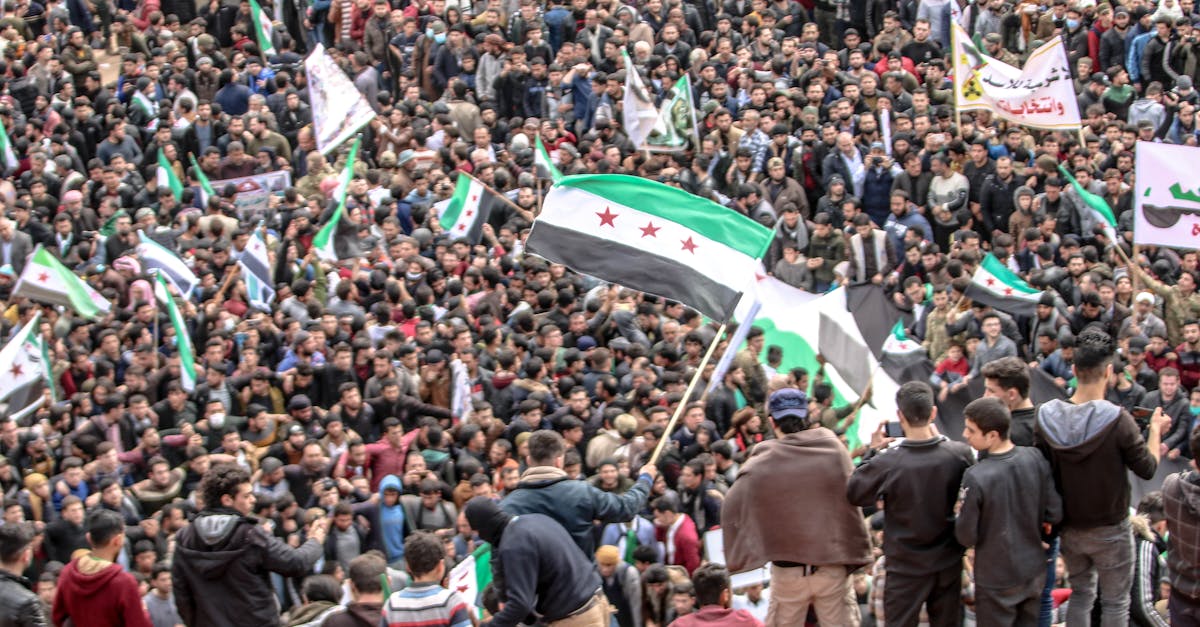
The repercussions of the Middle East war continue to affect the global economy, with ongoing conflicts impacting energy markets and international trade. Understanding the economic dimensions of this war is crucial for various sectors.
Reports indicate that the current conflict in the region has led to a significant rise in oil prices, negatively impacting energy-importing countries. Additionally, political and security disruptions affect trade flows, causing a decline in foreign direct investments.
Details of the Event
Concerns are growing that the continuation of the conflict in the Middle East could exacerbate global economic crises. Oil prices have reached unprecedented heights, surpassing the $100 per barrel mark, which increases transportation and production costs across many sectors.
Moreover, disruptions in the region affect global supply chains, leading to shortages of essential goods and rising prices. This situation places additional pressure on economies that rely on imports.
Background & Context
Historically, the Middle East has been a center of political and economic conflicts, where the interests of major powers intersect. Armed conflicts in the region often lead to fluctuations in global markets, particularly in the energy sector.
In recent years, the region has witnessed an escalation of tensions, resulting in worsening humanitarian and economic crises. These crises not only impact the countries involved in the conflict but also extend their effects to the global economy as a whole.
Impact & Consequences
Studies indicate that the conflict in the Middle East could lead to economic recession in many countries. The rise in energy prices may cause inflation in markets, affecting consumers' purchasing power.
Additionally, global companies may be negatively impacted due to rising production costs, prompting some to scale back operations or even shut down. This could lead to job losses and increased unemployment rates.
Regional Significance
For Arab countries, the repercussions of the conflict may be more severe. Countries that heavily rely on oil exports may face significant economic challenges due to price fluctuations. Furthermore, energy-importing nations will experience additional pressure on their budgets.
Under these circumstances, Arab governments must take urgent measures to mitigate the impact of the conflict on their economies. Investing in renewable energy and diversifying income sources may be viable solutions to address these challenges.
In conclusion, the effects of the Middle East war on the global economy require a coordinated response from the international community. A deep understanding of the economic dimensions of these conflicts can help formulate effective strategies to mitigate their negative impacts.