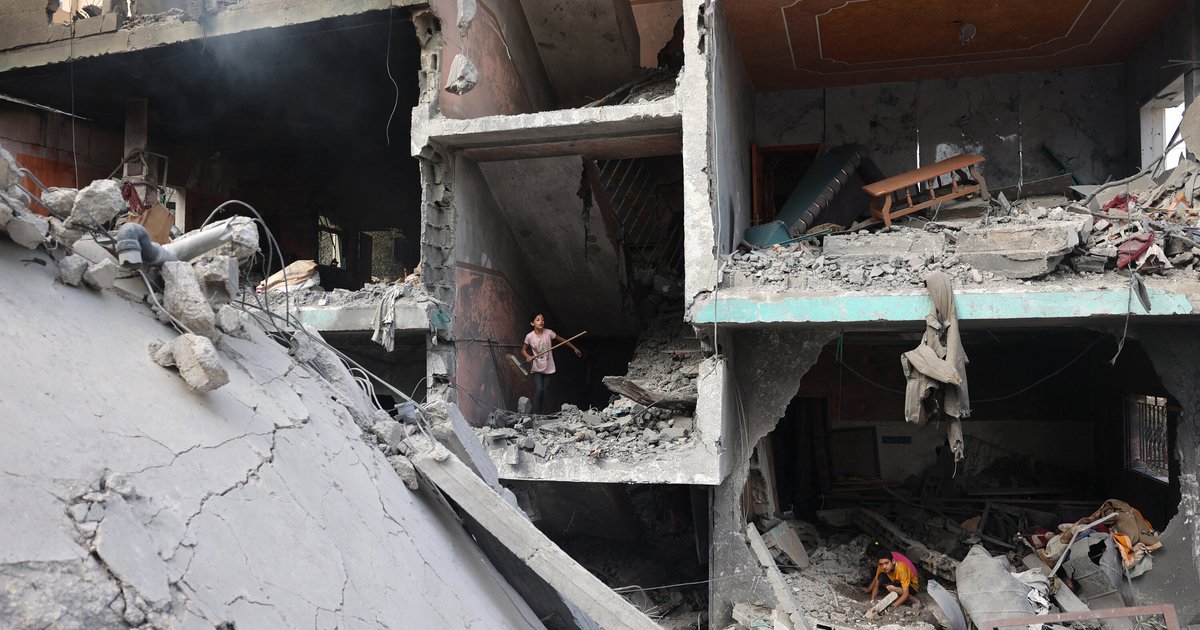
The Middle East is experiencing a state of political and economic coma, with crises escalating in several countries, raising questions about the region's future. The current situation reflects the instability that Arab nations are enduring, necessitating an in-depth analysis to understand the factors influencing this state.
Multiple reasons have contributed to this coma, ranging from armed conflicts plaguing some nations to economic crises affecting others. Additionally, external interventions play a crucial role in complicating the landscape, making it increasingly difficult to reach effective solutions.
Details of the Situation
Reports indicate that many Arab countries are suffering from suffocating political crises, with increasing popular protests in some nations due to deteriorating living conditions. At the same time, some governments remain unable to respond to their people's demands, exacerbating the general sense of frustration.
For example, countries like Lebanon and Syria are grappling with severe economic crises, where currency devaluation and unprecedented unemployment rates have occurred. These crises directly impact citizens' lives, increasing anger and protests.
Background & Context
Part of these crises stems from the ongoing conflicts that the region has witnessed over the past years, such as the conflicts in Syria and Yemen. These conflicts have not only affected the countries involved but have also had wide-ranging implications for security and stability across the entire region.
Moreover, geopolitical changes, such as tensions between major powers in the region, play a role in complicating the situation. Regional conflicts exacerbate humanitarian crises, increasing civilian suffering.
Impact & Consequences
The repercussions of this political and economic coma extend beyond the countries involved, affecting regional stability. The instability in the Middle East could lead to a flow of refugees into neighboring countries, increasing the pressures on these nations.
Furthermore, economic crises may lead to the spread of poverty and crime, heightening insecurity. This situation requires a swift response from the international community, as coordinated efforts must be made to support the affected countries.
Regional Significance
The state of coma in the Middle East significantly affects relations between Arab countries. As crises worsen, the need for cooperation and solidarity among nations to face common challenges increases.
Current crises may also open the door to new opportunities for regional cooperation, where countries can unite to tackle shared challenges. Enhancing dialogue and cooperation among Arab nations could contribute to improving conditions and achieving stability.
In conclusion, the state of coma that the Middle East is experiencing requires careful analysis and a deep understanding of the causes and consequences. Effective responses from governments and the international community are essential to ensure a better future for the region and its peoples.