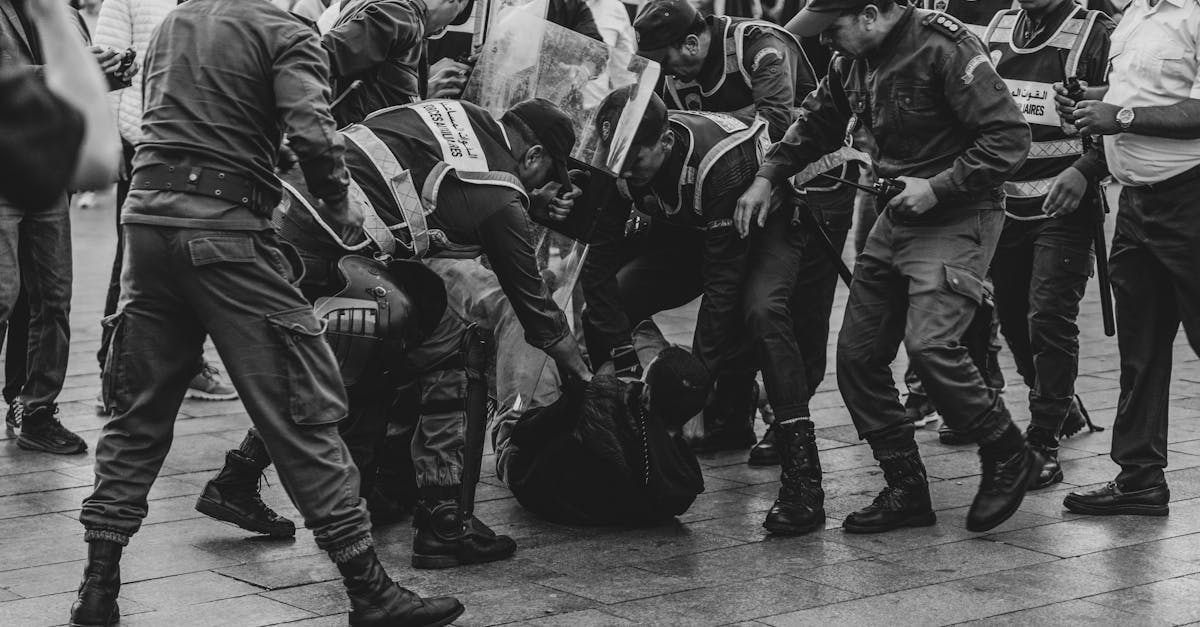
The ongoing conflict between the United States and Israel against Iran is resulting in increasing losses, raising concerns about regional security. As tensions escalate, military strategies and potential ramifications for the region are coming under scrutiny.
The war with Iran is considered one of the most complex conflicts in the Middle East, where political and military interests intertwine. Since the onset of the conflict, the United States and Israel have suffered significant losses, prompting questions about the effectiveness of their strategies in addressing Iranian challenges.
Details of the Conflict
Reports indicate that the United States has lost a number of soldiers and military equipment due to military operations against Iran. Likewise, Israel, which is engaged in preemptive operations against Iranian targets, is also facing losses among its forces. These losses are causing considerable concern among decision-makers in both countries.
At the same time, Iran is striving to enhance its military capabilities, complicating the situation further. Information suggests that Tehran has developed new technologies in both defense and offense, making it a more formidable adversary.
Background & Context
The history of the conflict between Iran and the United States dates back decades, with increasing tensions since the Islamic Revolution in 1979. Since then, the United States has taken numerous steps to isolate Iran, including imposing economic and military sanctions.
In recent years, tensions have intensified, especially following the U.S. withdrawal from the Iranian nuclear deal in 2018. This decision escalated the conflict, as Iran began to accelerate its nuclear program, raising alarm within the international community.
Impact & Consequences
The losses sustained by the United States and Israel in the war with Iran are affecting their military strategies in the region. These losses may lead to a reassessment of defense policies, altering how they address future threats.
Moreover, these losses could increase tensions among major powers in the region, as both Russia and China seek to enhance their influence in the Middle East. This competition could further escalate the conflict, threatening regional stability.
Regional Significance
Arab countries are directly affected by the conflict between Iran and the United States. As tensions rise, these nations may find themselves compelled to take clear stances, potentially leading to new divisions within the region.
The economic impact of the conflict could also be significant, as disruptions may lead to rising oil prices and negative effects on trade. Oil-producing Arab countries may face new challenges under these changing circumstances.
In conclusion, the war with Iran remains a complex issue that requires careful analysis and a deep understanding of potential ramifications. The losses incurred by the United States and Israel could signal the beginning of significant changes in the regional landscape.