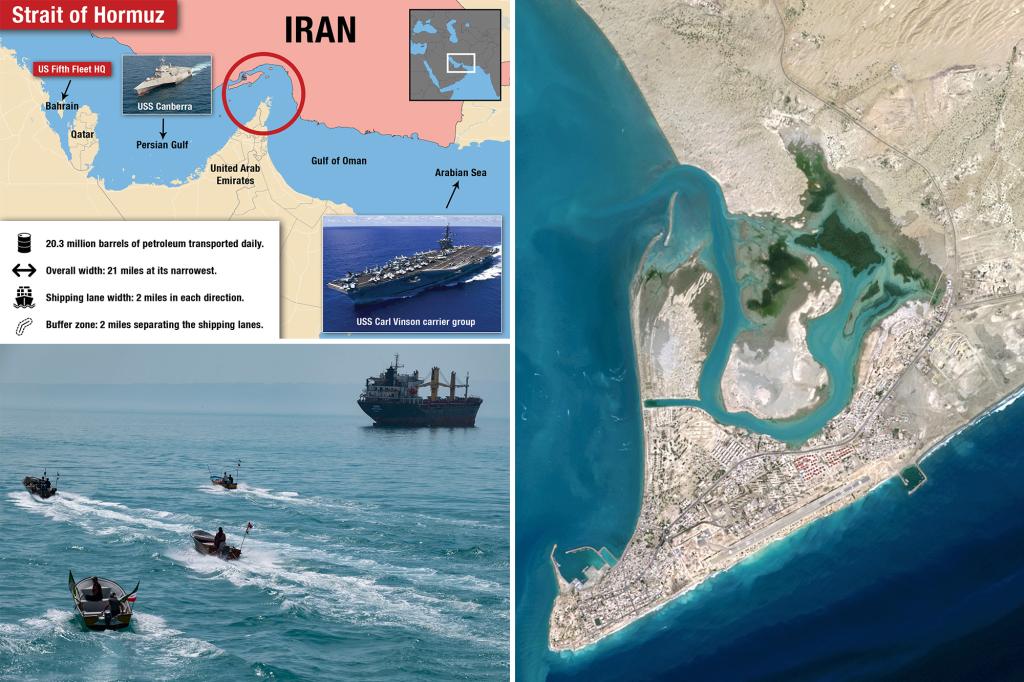
An analysis conducted by AFP based on maritime data shows that approximately 60% of cargo ships that have crossed the Strait of Hormuz since the beginning of the war in the Middle East have either originated from Iran or are en route to it. This analysis comes at a sensitive time, as tensions in the region have escalated following a joint US-Israeli attack that sparked the conflict.
The Strait of Hormuz is a vital strategic point, through which about 20% of the world's total oil trade passes. The data indicates that Iran, which is facing increasing international pressure, has tightened its grip on ship crossings in response to the attacks it has endured.
Details of the Event
Concerns are growing about the impact of these tensions on international shipping, as reports indicate that ships crossing the strait are facing increased scrutiny and monitoring. Experts have pointed out that these measures could lead to higher shipping costs and delays in the delivery of goods, negatively affecting the global economy.
At the same time, warnings have increased that any further escalation could have dire consequences for maritime security, as ships may be subjected to attacks or seizures by Iranian forces.
Background & Context
Since the onset of the conflict in the Middle East, the region has witnessed an escalation of tensions between Iran and the United States and its allies. These tensions have contributed to rising concerns about the stability of global oil markets, as Iran is a key player in oil production.
Historically, the Strait of Hormuz has been the scene of numerous crises, with the area experiencing multiple conflicts that have led to repeated threats to shipping. Major powers have attempted to mediate in previous crises, but the current situation appears to be more complex.
Impact & Consequences
The ramifications of these events extend beyond just the impact on shipping; they could exacerbate economic crises in oil-dependent countries. Additionally, any military escalation could affect global oil prices, which would have a ripple effect on the global economy.
Moreover, these tensions may lead to increased political divisions among countries in the region, complicating peace and stability efforts. There may be a growing need for international interventions to alleviate the tensions.
Regional Significance
The Arab countries neighboring the Strait of Hormuz are the most affected by these events, as many of these nations rely on importing oil and gas. Any escalation in the region could lead to rising energy prices, impacting local economies.
Furthermore, tensions could lead to increased migration and displacement from affected areas, placing additional burdens on neighboring countries. In this context, the need for diplomatic solutions to ensure regional stability becomes paramount.
In conclusion, the situation in the Strait of Hormuz remains under close observation, as tensions are expected to continue affecting shipping and global trade. Hope remains pinned on the efforts of the international community to mitigate these crises.