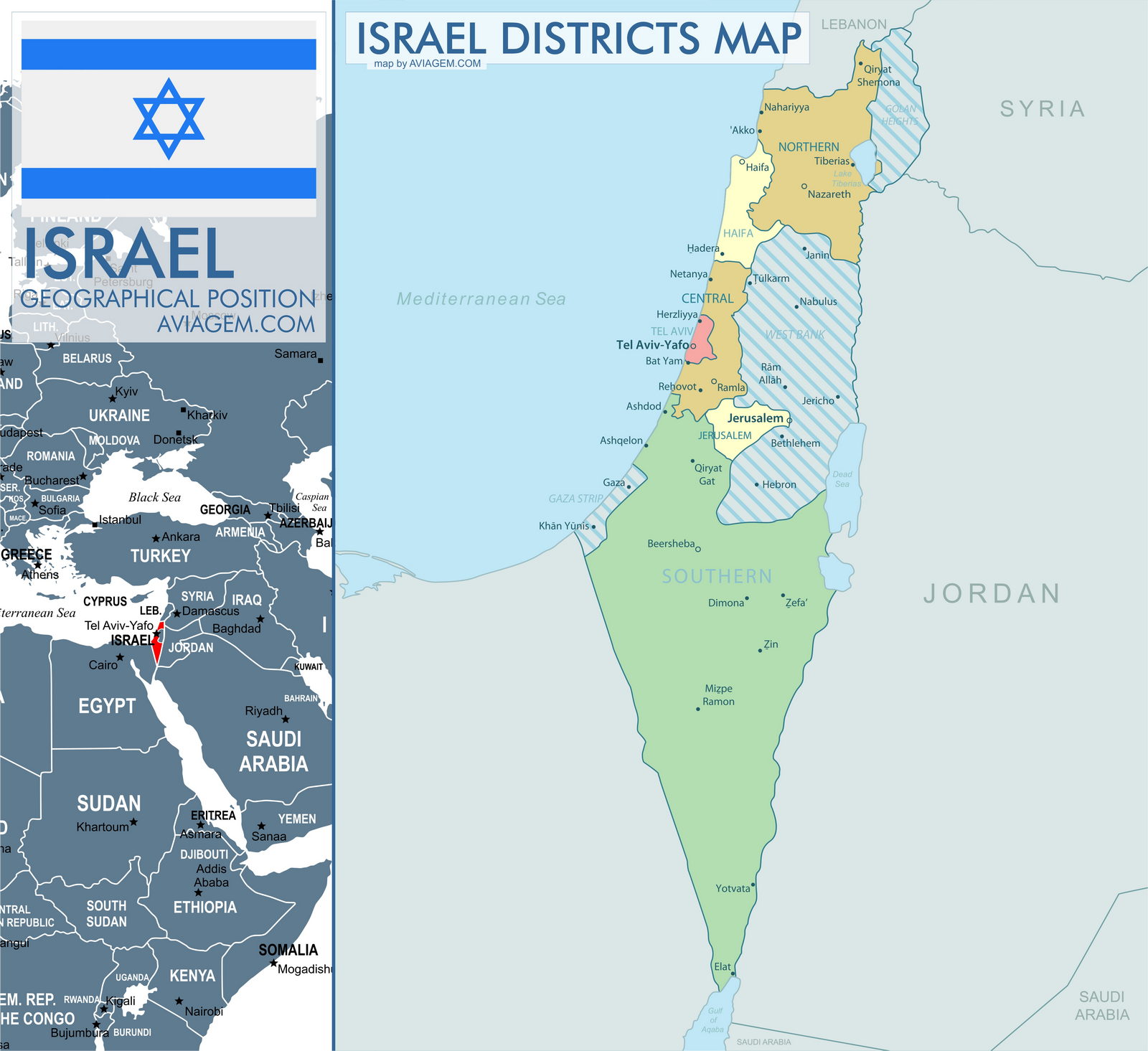
The war with Iran and its proxies in the region persists, with the final picture remaining unclear. However, the former head of Israeli military intelligence emphasizes the necessity of summarizing the first phase of this extraordinary war. This conflict is the largest in the Middle East since 2003 and the first in which Israel is actively engaged in combat alongside the United States.
This war is characterized by its multiple complexities, encompassing military, political, and economic conflicts. Recent events have shown that Iran has increased its support for its proxies in the region, reflecting its strategy to confront international pressures. Additionally, the new alliances formed in the region indicate a shift in the balance of power, further complicating the landscape.
Details of the Conflict
The first phase of the war involves military strikes against Iranian targets and its proxies in several countries, including Iraq and Syria. These operations have demonstrated a high level of coordination between Israeli and American forces, reflecting their joint commitment to countering Iranian threats. The use of modern technology in these operations has also contributed to achieving tangible results.
Despite military successes, challenges remain. Reports indicate that Iran is capable of rapidly rebuilding its military capabilities, making it difficult to achieve a decisive victory. Furthermore, internal political pressures in Israel may influence its future military strategy.
Background & Context
The roots of the conflict with Iran extend back many years, as Iran is a key player in the region seeking to enhance its influence by supporting armed groups in countries such as Lebanon, Syria, and Iraq. These activities have led to heightened tensions with Israel, which views Iran as an existential threat.
In recent years, the region has witnessed radical changes in alliances, with some Arab countries seeking to establish relations with Israel, complicating the conflict further. These new dynamics may affect how various parties deal with the Iranian threat.
Impact & Consequences
The repercussions of this war extend beyond Israeli borders, affecting security and stability throughout the region. Military operations may escalate the conflict, threatening civilian lives and increasing their suffering. Ongoing tensions could exacerbate humanitarian crises in affected countries.
Moreover, the continuation of the war may impact the regional economy, potentially leading to a decline in investments and deteriorating economic conditions in the concerned nations. The psychological impact on the populations in the region may also be profound, as they endure the effects of ongoing conflict.
Regional Significance
The war with Iran is a sensitive topic for Arab countries, which have varying positions regarding the conflict. Some nations support alliances with Israel in facing the Iranian threat, while others remain hesitant to take a clear stance. This division may complicate efforts aimed at achieving peace and stability in the region.
In conclusion, the war with Iran remains a central issue affecting the future of the Middle East. The current situation requires strategic thinking from all parties involved, as countries must seek peaceful solutions to avoid further escalation.