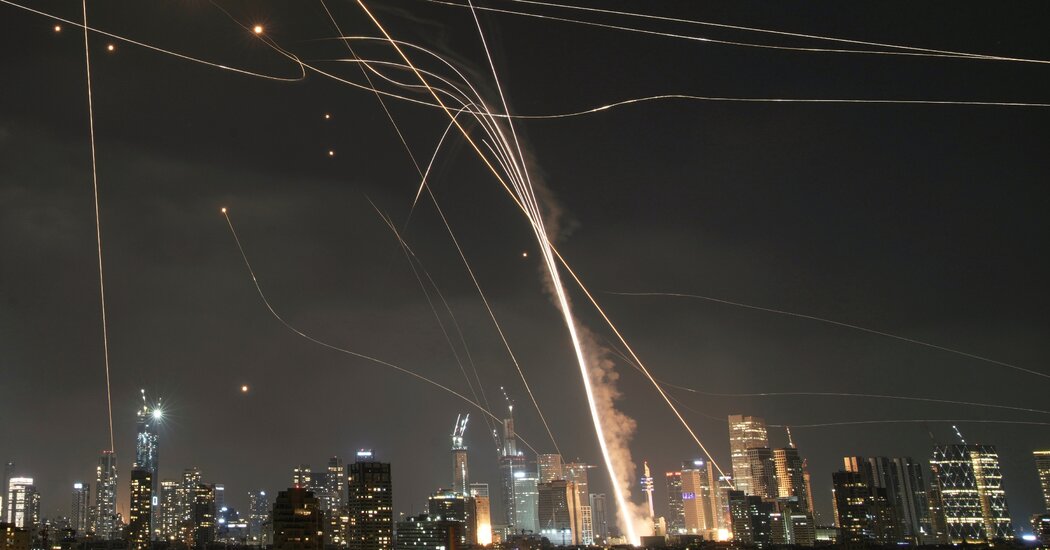
Concerns are escalating among the four countries involved in the war against Iran, with a general sentiment that this conflict serves Israeli interests more than reflecting American intentions. This perception highlights a disregard for the vital interests of Gulf states and their neighbors, raising questions about the future of regional relations.
This conviction is evident in numerous meetings and discussions held among these nations, where the need to reassess strategies for dealing with Iranian challenges has been emphasized. There appears to be an urgent need to unify efforts and coordinate policies in line with shared interests.
Details of the Conflict
The war against Iran encompasses a range of tensions related to the Iranian nuclear program, Tehran's support for militias in the region, and its ongoing threats to regional security. Reports indicate that this war could exacerbate conditions in the Gulf region, prompting the involved countries to take proactive steps to protect their interests.
In this context, calls are increasing from some Arab leaders to adopt new strategies that focus on dialogue and cooperation rather than escalation. These calls reflect a desire for long-term stability in the region, moving away from military conflicts.
Background & Context
Historically, relations between Gulf states and Iran have been tense, with the region witnessing numerous conflicts and disputes that have impacted security and stability. With rising tensions in recent years, it has become essential to reconsider the policies adopted towards Iran.
Some studies suggest that the war against Iran could have negative repercussions on Gulf economies, necessitating that the involved nations contemplate alternative strategies that go beyond military solutions.
Impact & Consequences
If the war against Iran continues at the current pace, it could lead to worsening humanitarian and economic crises in the region. Global oil markets are likely to be affected, potentially resulting in rising prices and increased pressure on Gulf economies.
Moreover, this war may heighten sectarian tensions in the region, threatening social stability in Gulf states. Therefore, the need for dialogue and understanding among the concerned parties becomes increasingly urgent.
Regional Significance
The war against Iran is a pivotal issue affecting many Arab nations, as it could lead to greater division among Arab states. Additionally, escalating tensions may result in an influx of refugees and increased humanitarian crises in the region.
In conclusion, it is clear that addressing Iranian challenges requires a comprehensive strategic vision that considers the national interests of Gulf states and works to enhance regional cooperation rather than slipping into new conflicts.