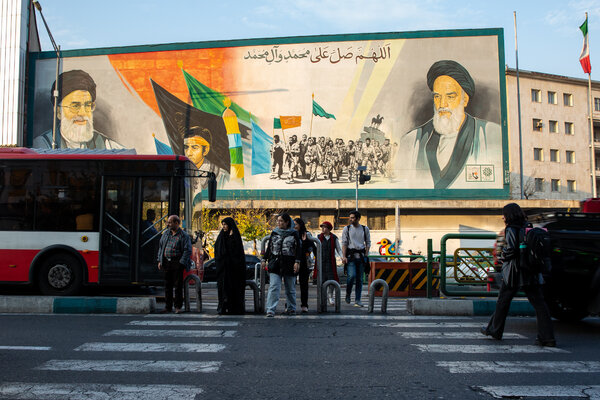
In a comprehensive analysis, the mistakes made by former U.S. President Donald Trump regarding Iran are highlighted, along with the strategic errors of the Israeli army concerning Hezbollah. These errors indicate a lack of deep understanding of the geopolitical complexities facing the region, which could impact regional stability.
The errors committed by Trump primarily relate to his policies towards Iran, where he believed that economic pressure and sanctions could lead to regime change. However, events have shown that these policies have hardened the Iranian regime rather than weakened it. Simultaneously, the Israeli army, which viewed Hezbollah as a direct threat, failed to appreciate the military strength and tactics employed by the group in the conflict.
Details of the Events
In recent years, the Trump administration adopted a stringent policy towards Iran, withdrawing from the nuclear agreement and re-imposing sanctions. These steps, aimed at weakening the Iranian regime, resulted in counterproductive outcomes, as they enhanced Iran's regional power and operations.
On the other hand, the Israeli army, which believed that Hezbollah could be easily contained, faced difficulties in dealing with the advanced tactics employed by the group. Despite Israeli military superiority, Hezbollah has proven capable of executing complex and effective operations, increasing tensions in the region.
Background & Context
Historically, relations between the United States and Iran have been tense since the Islamic Revolution in 1979. These tensions have escalated with the rise of Iranian military activities in the region, including its support for Hezbollah in Lebanon. In response, the Israeli army seeks to protect its borders from potential threats, leading it to adopt offensive strategies against Hezbollah.
These dynamics are part of a broader struggle between regional and international powers, as both Iran and Israel seek to enhance their influence in the region. This conflict also reflects the tensions among major powers, with the United States playing a pivotal role in shaping regional policies.
Impact & Consequences
The mistakes made by Trump and the Israeli army could exacerbate conditions in the region. Instead of achieving stability, these policies may escalate conflicts and increase tensions among states. Additionally, these errors could bolster Iran's position and that of its allies, complicating the conflict in the Middle East.
Furthermore, the failure to understand the challenges facing the region may lead to misguided decisions by policymakers, affecting both regional and international security. These dynamics could also increase divisions between Arab states and Israel, complicating future peace efforts.
Regional Significance
For the Arab world, the strategic mistakes made by Trump and the Israeli army pose a significant challenge. The increased Iranian influence in the region could exacerbate internal conflicts in Arab states, threatening stability and security. Moreover, ongoing tensions between Iran and Israel may impact relations between Arab states and Israel, as many Arab countries seek to improve their ties with Israel as part of peace efforts.
In conclusion, understanding the mistakes made by Trump and the Israeli army is crucial to avoid repeating them in the future. Policymakers in the region must learn from these lessons to achieve lasting stability in the Middle East.