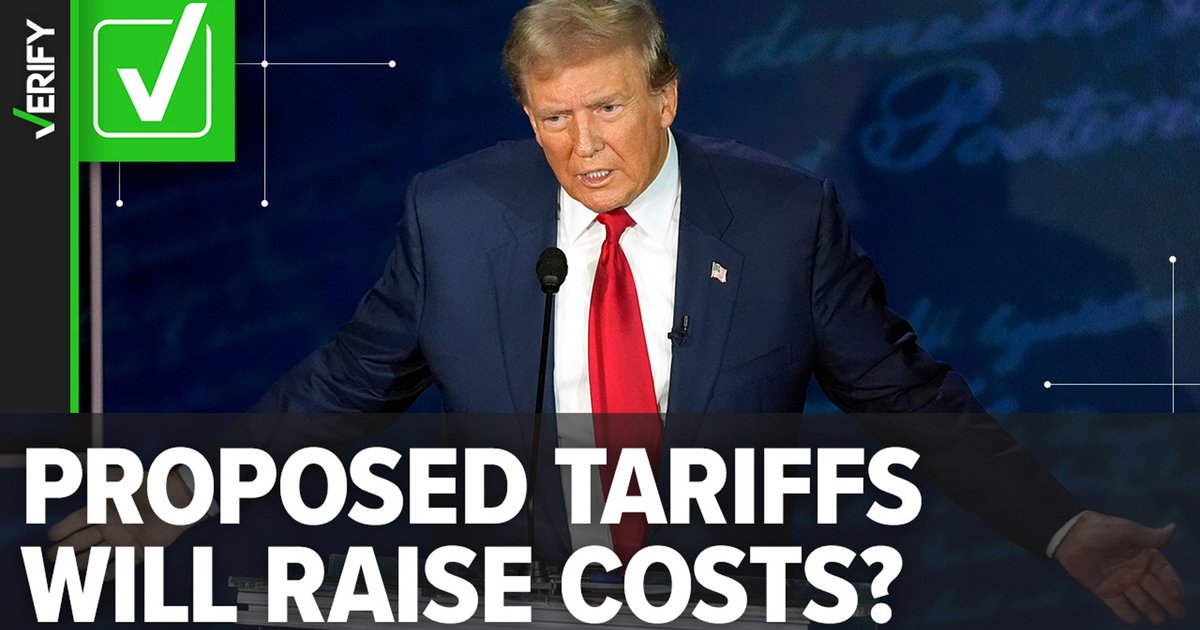
A year after the tariffs imposed by former President Donald Trump, the catastrophic predictions made by economists have not materialized. Instead, these policies appear to have been effective in certain aspects. The tariffs imposed on a range of imported goods, particularly from China, aimed to protect American industry and boost the domestic economy.
Despite warnings that these tariffs would lead to rising prices and increased inflation, reports indicate that the actual impact has not been as many expected. Economic data has shown that many American companies have been able to adapt to these tariffs and have even achieved good profits in some sectors.
Details of the Event
In 2022, the Trump administration imposed tariffs on imported goods worth up to $370 billion. This move was part of a broader strategy aimed at reducing the trade deficit with China and enhancing the competitiveness of American products. Over time, many economists began to revise their expectations, as the anticipated negative impact on the American economy did not materialize.
Recent reports indicate that some industries, such as steel and aluminum, have seen a notable recovery thanks to these tariffs. Companies that were struggling with intense competition from imported products found in these tariffs an opportunity to strengthen their market position.
Background & Context
Historically, the United States has relied on free trade policies, but with rising trade tensions with China, the discussion about imposing tariffs began. In 2018, Trump launched what is known as the "trade war," imposing tariffs on a wide range of goods, which sparked strong reactions from China and other countries.
The tariffs were part of a broader strategy aimed at renegotiating international trade agreements, as Trump considered these agreements unfair to the United States. However, these policies sparked widespread debate among economists, with some arguing that they could lead to adverse outcomes.
Impact & Consequences
While the tariffs have proven effective in some sectors, there are concerns about their impact on consumers. Rising prices on certain goods may reduce consumers' purchasing power, which could negatively affect the economy as a whole. Nevertheless, it seems that American companies have managed to navigate these challenges better than expected.
Future forecasts suggest that the Biden administration may continue some aspects of these policies, as it seeks to strike a balance between protecting domestic industry and enhancing trade relations with other countries. This could create a new trade environment requiring American companies to adapt to ongoing changes.
Regional Significance
As Arab countries monitor developments in global trade, American tariffs may affect their exports to the United States. Many Arab nations rely on exporting goods to the American market, and any changes in trade policies could impact these relationships.
Moreover, the trade tensions between the United States and China may create new opportunities for Arab countries to boost their exports to American markets, especially in sectors that may be affected by tariffs. Therefore, it is crucial for Arab nations to closely follow these developments and work on strategies to enhance their exports.