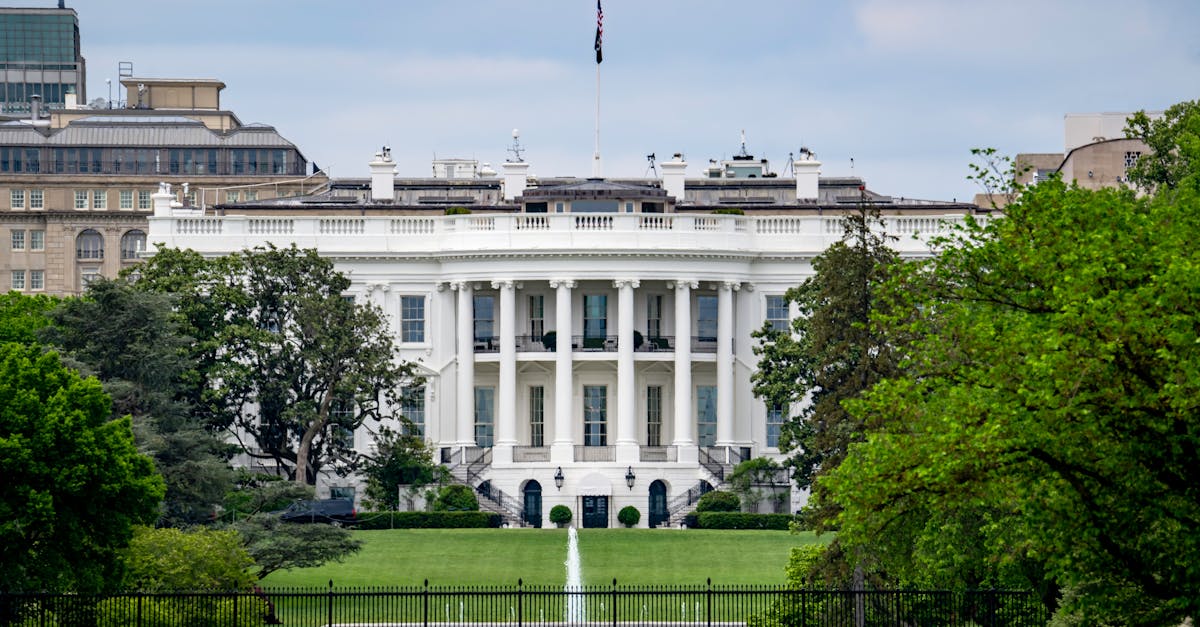
The New York Times recently revealed that the war initiated by former President Donald Trump against Iran has led to a significant weakening of the United States, affecting its military strength and political status on the international stage.
The report highlighted that this war not only escalated tensions in the Middle East but also contributed to a deterioration of trust between the United States and its traditional allies. Furthermore, the American strategy in dealing with Iran faced widespread criticism, complicating international relations.
Details of the Conflict
Reports indicate that the Trump administration adopted a strict policy towards Iran, which included the withdrawal of the United States from the nuclear agreement in 2018 and the imposition of harsh economic sanctions. These actions led to heightened tensions between the two countries, making the situation more complex.
Additionally, these policies provoked negative reactions from U.S. allies, who expressed concerns over regional instability. Recent events have shown that this strategy did not achieve its intended goals but rather exacerbated the conditions in the Middle East.
Background & Context
Historically, U.S.-Iranian relations have been strained since the Islamic Revolution in 1979. However, there were periods of détente, especially during Barack Obama's administration. With Trump's rise to power, this dynamic changed drastically.
It is important to note that Iran has always been a key player in regional politics and is considered a central axis in Middle Eastern conflicts. Therefore, any changes in U.S. policy towards Iran directly impact the balance of power in the region.
Impact & Consequences
The consequences of this war have been profound, leading to increased tensions between the United States and Iran, which has affected regional security. Moreover, these policies have bolstered Iran's position in the region, allowing it to expand its influence in countries like Iraq, Syria, and Lebanon.
Furthermore, the impact of this war has not been limited to the Middle East; it has also affected U.S. relations with its allies in Europe and Asia, who were looking for greater stability in the region.
Regional Significance
For Arab countries, the rising tensions between the United States and Iran have increased instability in the region. Many Arab nations, such as Saudi Arabia and the UAE, are concerned about the growing Iranian influence, prompting them to strengthen their alliances with the United States.
These conditions may also contribute to increased sectarian tensions in the region, as the conflict between Sunni and Shia may escalate due to these policies. Thus, the impact on the Arab region will be long-lasting, necessitating new strategies to address these challenges.
In conclusion, it is evident that the war led by Trump against Iran has not only weakened the United States but has also significantly affected regional and international stability. The current situation requires a reassessment of U.S. policies towards Iran and the region as a whole.