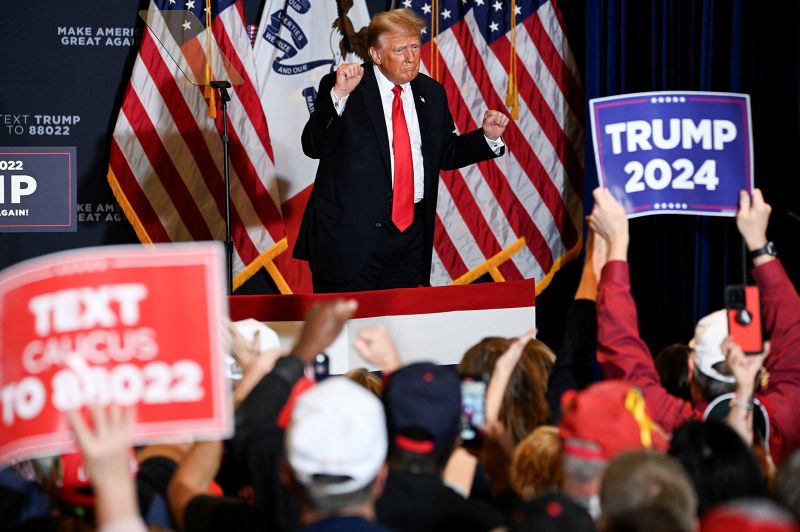
Between March 9 and 31, former U.S. President Donald Trump made provocative statements regarding war, reflecting his stance on international issues. His comments highlight geopolitical tensions and their implications on the global stage.
During this period, Trump addressed several issues related to military conflicts, emphasizing the importance of U.S. military power in maintaining national security. He also criticized some current foreign policies, arguing that they weaken the United States' position on the international stage.
Details of Trump's Statements
Trump, who still enjoys significant popularity among his base, used his media platforms to express his views on conflicts in various regions, including the Middle East and Europe. He indicated that the United States should be more cautious in its military interventions, warning of the potential consequences of any military escalation.
Furthermore, Trump addressed the situation in Ukraine, stressing the necessity of supporting European allies while simultaneously criticizing what he described as excessive military spending. These statements come at a sensitive time as tensions between Russia and the West escalate, raising concerns about regional stability.
Background & Context
Historically, the United States has played a pivotal role in numerous military conflicts worldwide, from World War II to interventions in the Middle East. Trump, who served as president from 2017 to 2021, followed a policy that often favored a more isolationist approach, advocating for a reassessment of U.S. involvement in foreign wars.
His recent comments reflect a broader skepticism towards current military engagements and a call for a more strategic evaluation of U.S. foreign policy. This perspective resonates with a portion of the American public that is increasingly wary of prolonged military commitments abroad.
Impact & Consequences
Trump's statements could lead to significant shifts in how the United States engages with its allies and addresses global conflicts. His critique of current foreign policies may foster divisions within the U.S. political landscape, potentially influencing the upcoming elections and shaping the discourse around national security.
Moreover, the financial markets may react to Trump's remarks, as investors often respond to shifts in political rhetoric that could affect international relations and defense spending. The implications of his statements extend beyond politics, potentially impacting economic stability and investor confidence.
Regional Significance
In the Arab region, Trump's comments may prompt a reevaluation of alliances and partnerships in light of changing geopolitical dynamics. As tensions rise, countries may seek to adjust their foreign policies and military strategies in response to the evolving landscape.
Ultimately, Trump's remarks underscore the importance of understanding the interconnectedness of global politics and the potential ramifications of U.S. foreign policy decisions on regional stability and security.