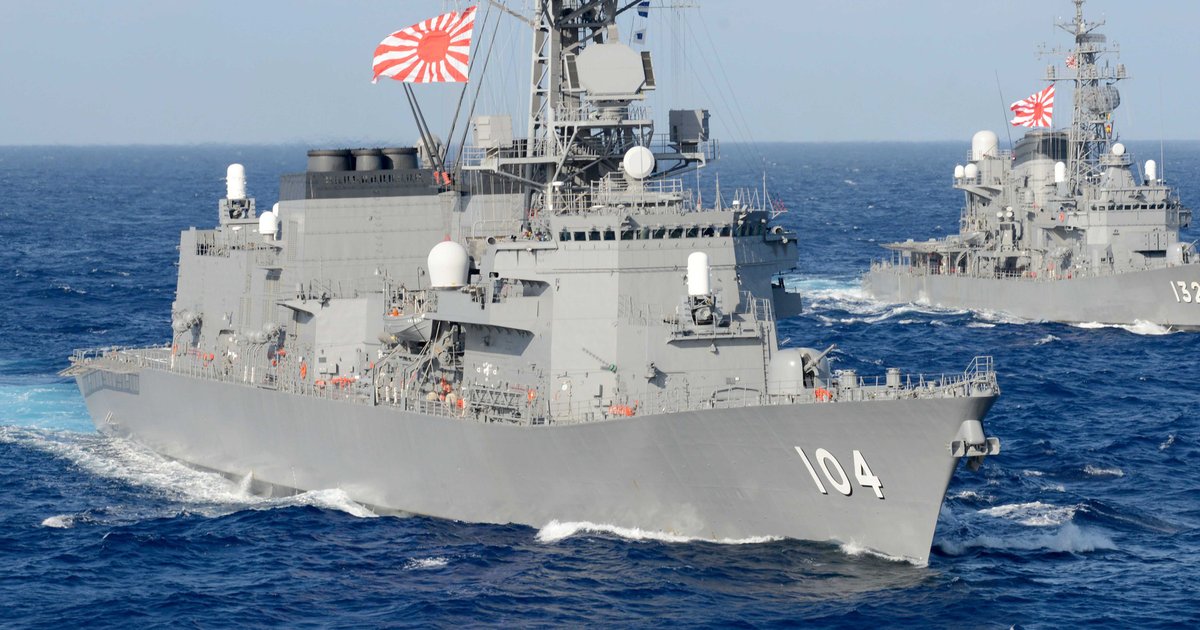
The repercussions of war are increasingly manifesting, affecting security and stability in many countries. These effects are not limited to the warring nations but extend to neighboring countries and regions, raising significant concerns among international communities.
As conflicts escalate, humanitarian crises intensify, with civilians directly suffering the consequences of war. Reports indicate that many families have lost their homes, while communities face severe shortages of essential resources such as food, water, and healthcare.
Details of the Conflict
The causes of conflicts are manifold, encompassing political tensions, ethnic strife, and religious differences. These factors intertwine to create a complex environment that leads to the eruption of crises. Additionally, external interventions complicate the situation further, as some countries seek to advance their interests at the expense of regional stability.
Statistics show that the number of internally displaced persons has surpassed 50 million, placing additional pressures on host countries. The economic impact of war is devastating, with investments declining and unemployment rates rising.
Background & Context
Historically, the region has witnessed numerous wars and conflicts that have left profound effects on societies. These disputes are often the result of historical accumulations of political and social tensions. In recent years, the intensity of these conflicts has increased due to geopolitical changes, exacerbating humanitarian crises.
The influence of media and social networks in disseminating information and news about conflicts has contributed to heightened global awareness, prompting the international community to adopt more stringent stances toward crises.
Impact & Consequences
The repercussions of war extend beyond humanitarian dimensions to encompass economic and political effects. Affected countries experience declines in economic growth, with financial burdens increasing on governments. Political stability becomes threatened, leading to the proliferation of corruption and heightened social divisions.
International relations are also affected, as some countries seek to reassess their alliances based on new interests. This shift in international dynamics could lead to new conflicts in the future.
Regional Significance
The repercussions of war extend to Arab countries, directly impacting regional security. Concerns are growing over escalating tensions among Arab nations, highlighting the necessity for dialogue and cooperation to resolve crises. The humanitarian crises resulting from conflicts also affect the stability of neighboring countries, necessitating an urgent response from the international community.
In conclusion, the repercussions of war remain a pressing issue that requires ongoing international attention. The global community must work collectively to find lasting solutions to crises and achieve peace and stability in the region.